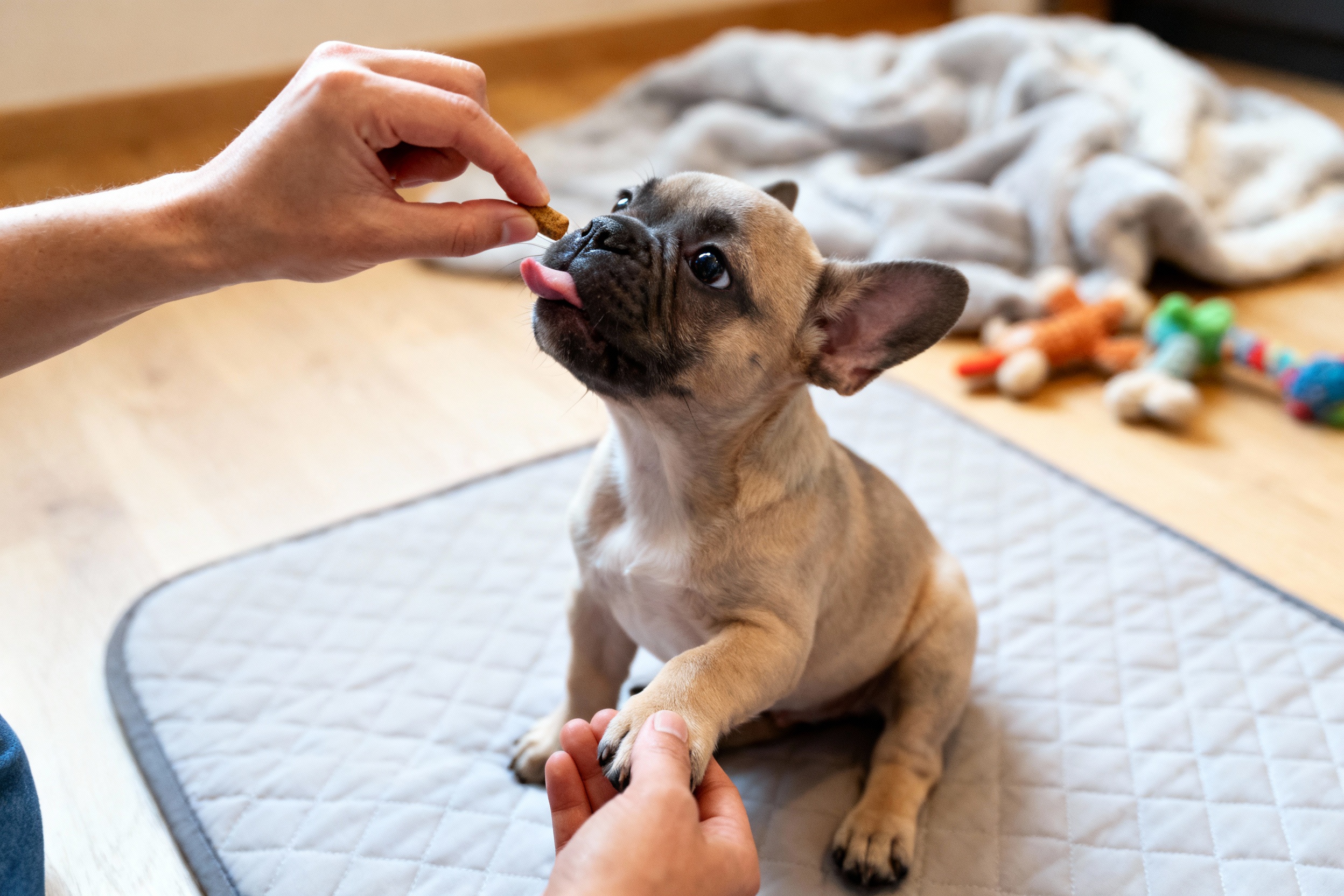
Your 8-week-old Frenchie just moved in, and you’re already in love. Those bat ears? That smooshy face?
Game over. Now comes the part where you turn the adorable chaos gremlin into a well-mannered companion without losing your sanity. Good news: Frenchies learn fast, and you can make big progress in a few weeks with the right plan.
Set the Stage: Routine, Boundaries, and the Right Gear
Start with structure.
Puppies crave it, and Frenchies especially love knowing what’s next. Create a simple daily rhythm that covers potty breaks, meals, play, naps, and short training sessions. Starter checklist:
- Crate sized so your pup can stand up, turn, and lie down
- Playpen for safe downtime
- Pee pads (optional, but choose one plan and commit)
- High-value treats (pea-sized, soft, smelly)
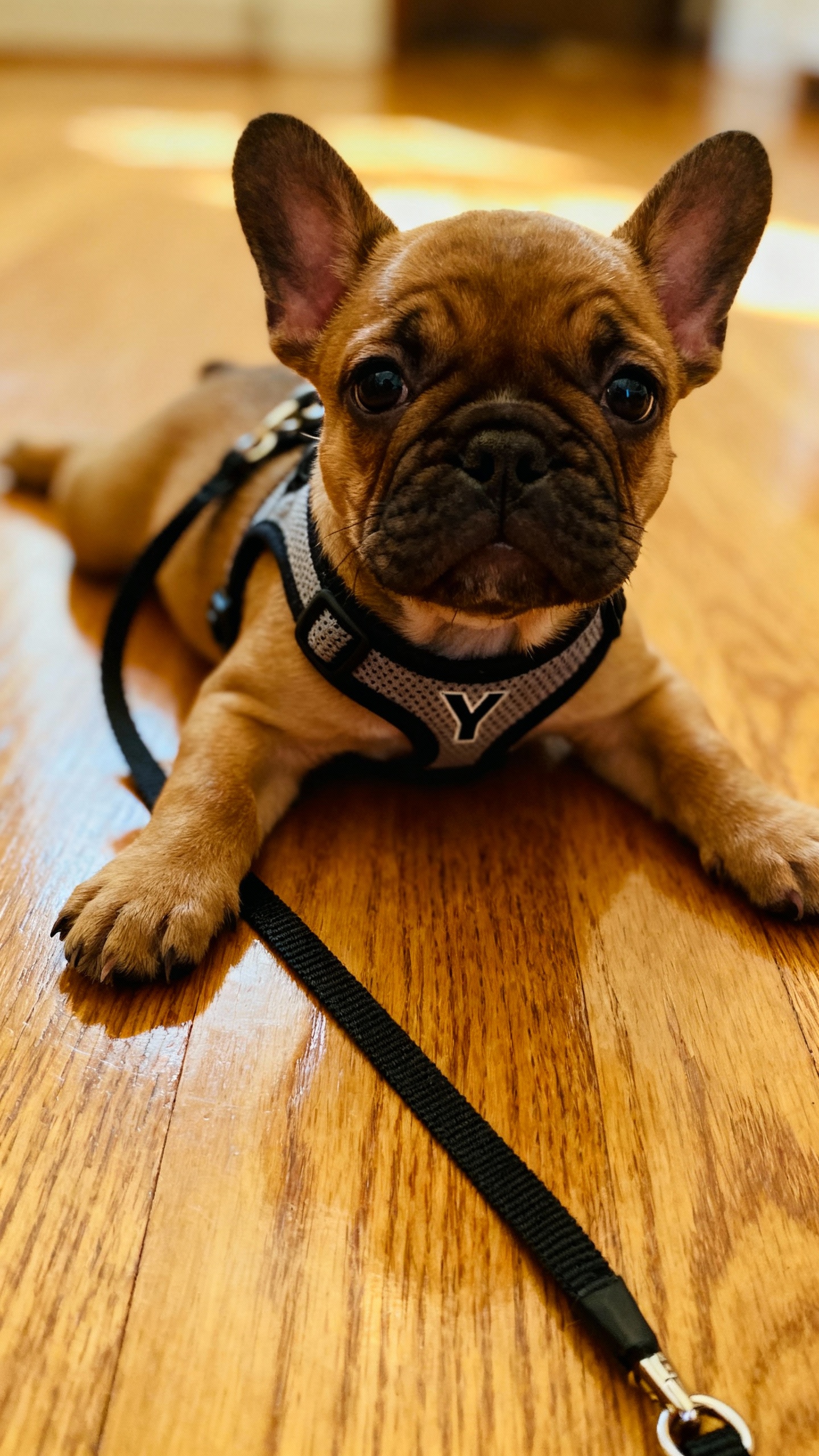
- Flat buckle collar or Y-harness and a 4–6 ft leash
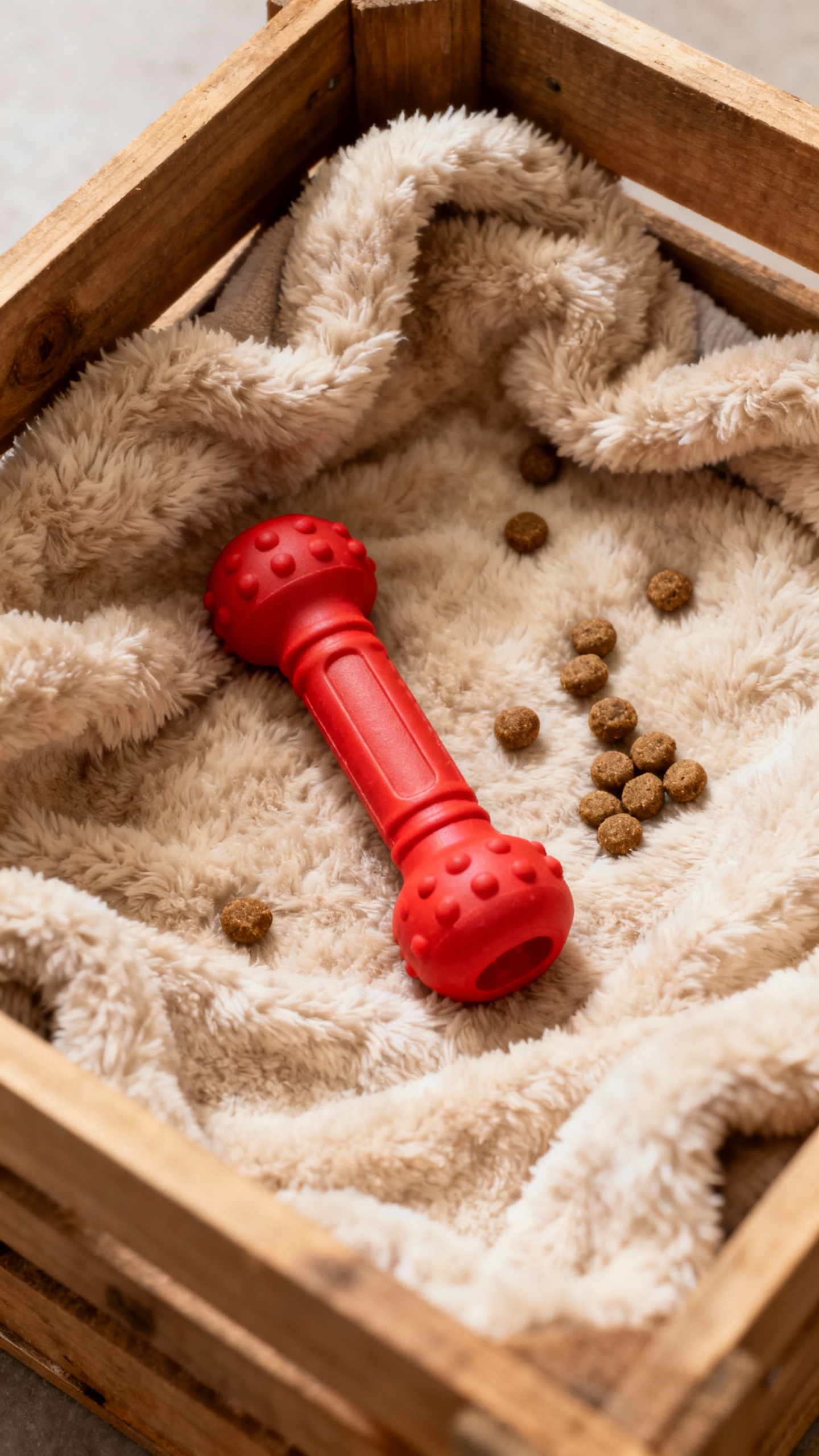
- Chew toys for teething (rubber and rope varities)
Daily rhythm idea:
- Wake up → Potty → Breakfast → Calm play
- Nap (Frenchies nap like champs)
- Training sprint (3–5 minutes)
- Potty → Play/chew → Nap
- Repeat, then dinner, then a quiet evening
Potty Training Without Tears (Or Carpet Disasters)
Your Frenchie can’t “hold it” long yet. At eight weeks, plan potty breaks every 45–60 minutes while awake, plus immediately after eating, playing, and waking from naps. How to train:
- Pick a bathroom spot outside.
Carry your pup there if needed.
- Use one cue: “Go potty.” Wait quietly for 3–5 minutes.
- Celebrate success with praise and treats immediately after they finish.
- If nothing happens, go back inside calmly and try again in 10 minutes.
Crate power: Use the crate to help your pup learn to hold it between breaks. Keep crate time short and positive with chews and a blanket. Never use it as punishment.
What about pee pads?
If you live in a high-rise or can’t get outside often, use pads temporarily.
Place them near the door so you can transition outside later. IMO, going straight outdoors makes life simpler, but do what your situation allows.
The Micro-Training Method: 5 Minutes, Big Results
Frenchies tire fast, mentally and physically. Train in quick, fun bursts.
Aim for 3–5 minute sessions, 3–6 times per day. Week 8 basics to teach now:
- Name recognition: Say the name once → treat when they look at you.
- Sit: Lure the nose up, reward when the butt hits the floor.
- Come: Crouch down, happy voice, “Come!” → party-level praise.
- Leave it: Cover a treat in your hand → reward when they look away from the hand to you.
- Touch (nose to hand): Great for focus and redirection.
Pro tip: Mark the exact moment they do the right thing with a cheerful “Yes!” Your timing matters more than your tone (but enthusiasm helps).
Reward wisely
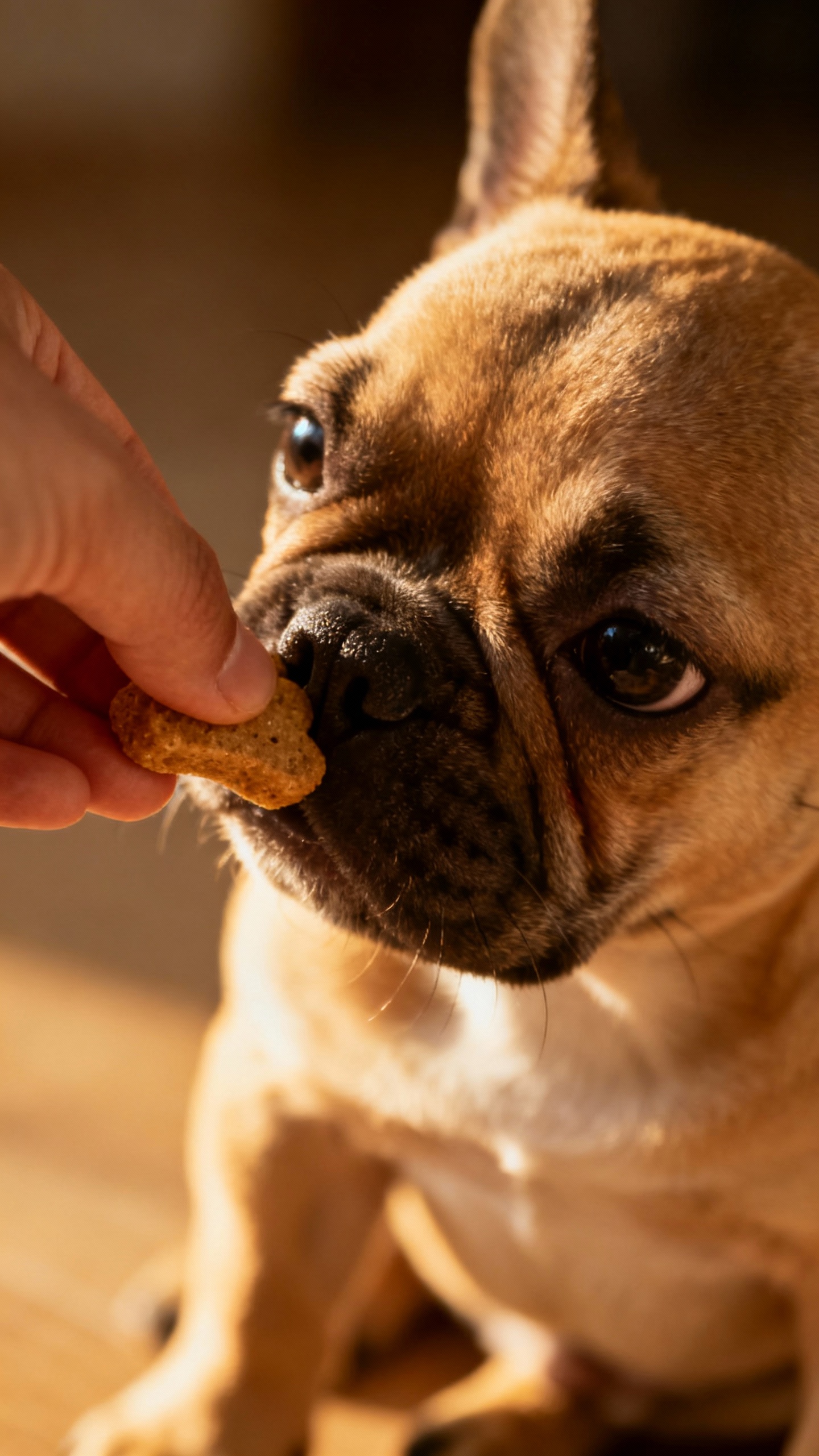
Use tiny treats and mix in praise and toy play. Reward every success early on, then vary rewards once they get it. FYI, Frenchies can get chunky quickly—balance treats with part of their meal kibble during training.
Crate Training That Doesn’t Feel Like Jail
Make the crate your pup’s chill zone.
Feed meals in the crate, toss treats inside, and keep the door open at first. You want them to choose it, not fear it. Build up:
- 1–2 minute sessions of lying in the crate with the door open.
- Close the door for a few seconds, treat through the bars, then open.
- Gradually increase to a few minutes with a safe chew toy.
If they fuss, wait for a brief pause in the whining before opening the door. Don’t teach them that yelling opens doors—because guess what they’ll do tomorrow?
Socialization: The “Everything Is Awesome” Phase
You’re in the golden window (roughly 8–16 weeks).
Safely introduce your pup to the world with a “happy-but-chill” vibe. Think calm exposures, not chaos. Make a socialization list:
- Sights: umbrellas, hats, bikes, strollers
- Sounds: doorbells, traffic, vacuum
- Surfaces: grass, tile, carpet, rubber mats
- People: kids, adults with beards, people wearing sunglasses
- Dogs: friendly, vaccinated, gentle dogs in controlled settings
Pair each new thing with treats and praise. If your Frenchie looks worried, back up, lower the intensity, and try again.
We want curiosity, not overwhelm.
Health note for Frenchies
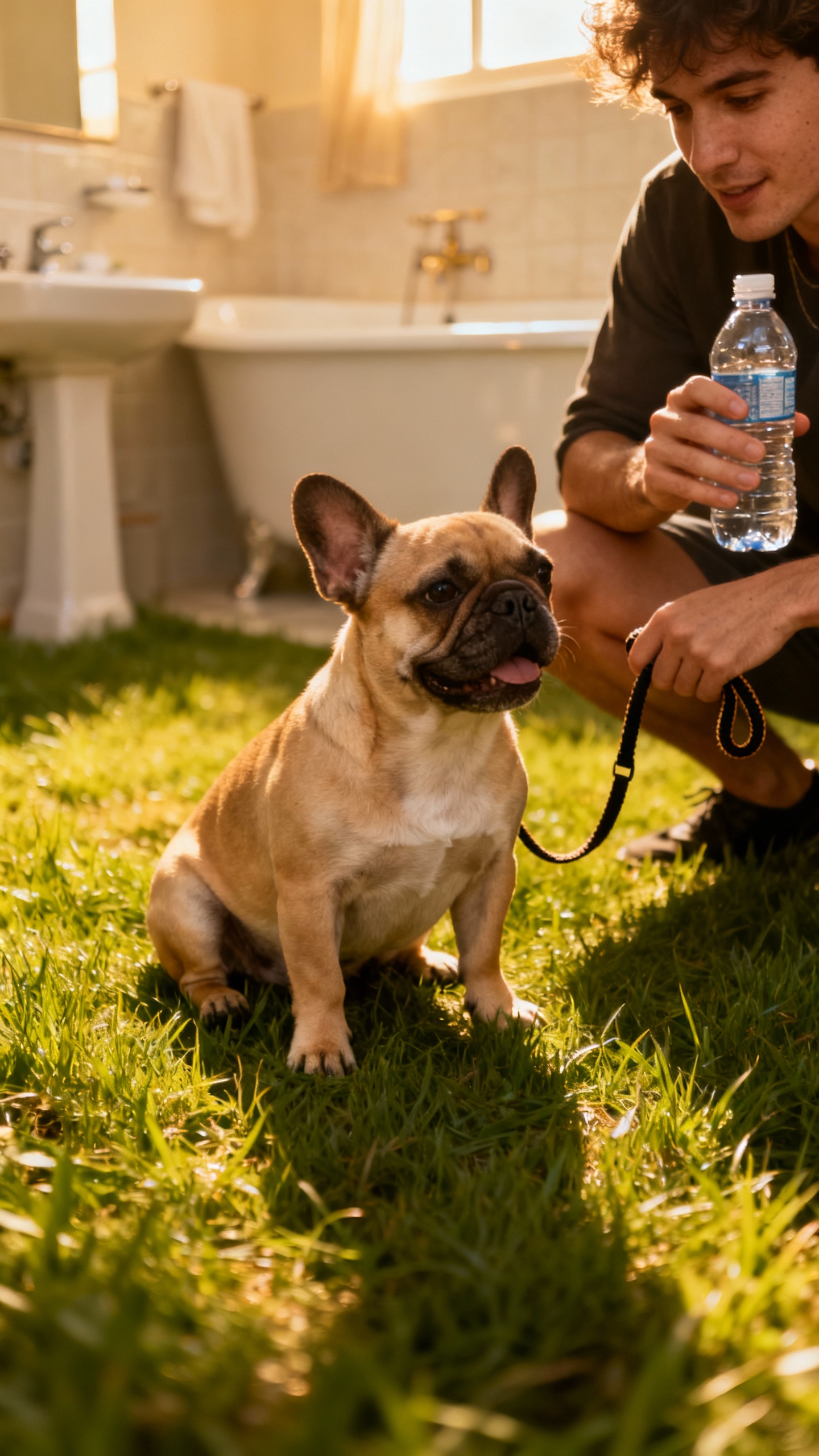
Short snouts mean they overheat easily. Keep outings short, avoid high heat, and carry water. If they pant hard or snort more than usual, take a break.
Also, confirm your vaccine schedule with your vet before visiting busy dog spaces.
Bitey Gremlin Mode: Teething and Nipping
Puppy teeth are tiny daggers. Nipping means your Frenchie feels mouthy, excited, or overtired—not “dominant.” Redirect, don’t scold. How to handle it:
- Offer a chew toy the second those teeth land on skin.
- Use a calm “Uh-uh” or “Too bad” and end play for 10–20 seconds if they chomp hard.
- Keep short play sessions to avoid overstimulation.
- Rotate chew textures to soothe gums.
Energy check: A lot of nipping means it’s probably nap time. Puppies run on a chaos-and-coma cycle.
Embrace it.
Leash Skills for Tiny Taters
At eight weeks, you’re not going for miles. You’re teaching comfort with a harness and leash, and building attention around distractions. Start inside:
- Let them wear the harness during play for a few minutes. Treat while you clip it.
- Attach the leash and drop it.
Reward calm behavior.
- Pick up the leash and walk a few steps. Mark “Yes!” when they follow.
Outside basics:
- Practice “Let’s go” with a treat near your knee.
- Stop when they pull. Move forward again when the leash loosens.
- Keep walks super short and fun.
Curiosity > mileage.
Sleep, Schedules, and Sanity
Your 8-week-old should sleep a lot—like 16–20 hours a day. Over-tired puppies act wild, whiny, and bitey. Respect nap time and you’ll get a better learner. Sample schedule (adjust as needed):
- 6:30 am: Potty + breakfast
- 7:00 am: Play + short training
- 7:30–9:30 am: Nap (crate or pen)
- Repeat cycles of potty, play/train, nap throughout the day
- Evening: Calm enrichment (lick mat, snuffle mat)
- Bedtime: Last potty, lights out at a consistent time
IMO, consistency solves half of puppy problems.
The other half? Snacks.
FAQ
How long can an 8-week-old Frenchie hold their bladder?
Short answer: not long. Aim for every 45–60 minutes while awake, plus right after eating, playing, and naps.
Overnight might stretch to 2–4 hours, but set an alarm at first and adjust based on success.
When should I start training classes?
You can start right now at home. For group classes, look for a puppy class that allows partially vaccinated pups in a sanitized indoor space. Ask about their vaccine policy and cleaning routine.
The social exposure and guidance help a ton.
What treats are best for training?
Use soft, smelly, pea-sized treats that your puppy can swallow fast. Think tiny pieces of chicken, turkey, or commercial training treats. Mix in part of their meal kibble to avoid overfeeding.
FYI, reduce meal portions a bit on heavy training days.
How do I stop crying at night?
Put the crate near your bed, provide a warm blanket, and include a safe chew or plush. Take them out for a quick potty if the cry sounds urgent, then back to bed with minimal fuss. Avoid big reactions at night—calm and boring wins.
What commands should I teach first?
Focus on name recognition, sit, come, and leave it.
Add touch and settle on a mat once those stick. These skills build impulse control, safety, and focus—everything else gets easier after.
Are French Bulldogs hard to train?
They’re smart and food-motivated, but also opinionated. Keep sessions short, silly, and rewarding.
If training feels like a game, your Frenchie will crush it. If it feels like a lecture, they’ll nap. Relatable, honestly.
Wrap-Up: Tiny Dog, Big Wins
You don’t need marathon sessions or military precision.
Keep training short, reward generously, and stick to a routine. Socialize smart, manage energy, and protect that squishy face from overheating. Do this, and your 8-week-old Frenchie turns into a confident, polite sidekick before you know it.
And if you ever doubt yourself—sniff those puppy paws and carry on. IMO, that’s basically therapy.
Leave a Reply