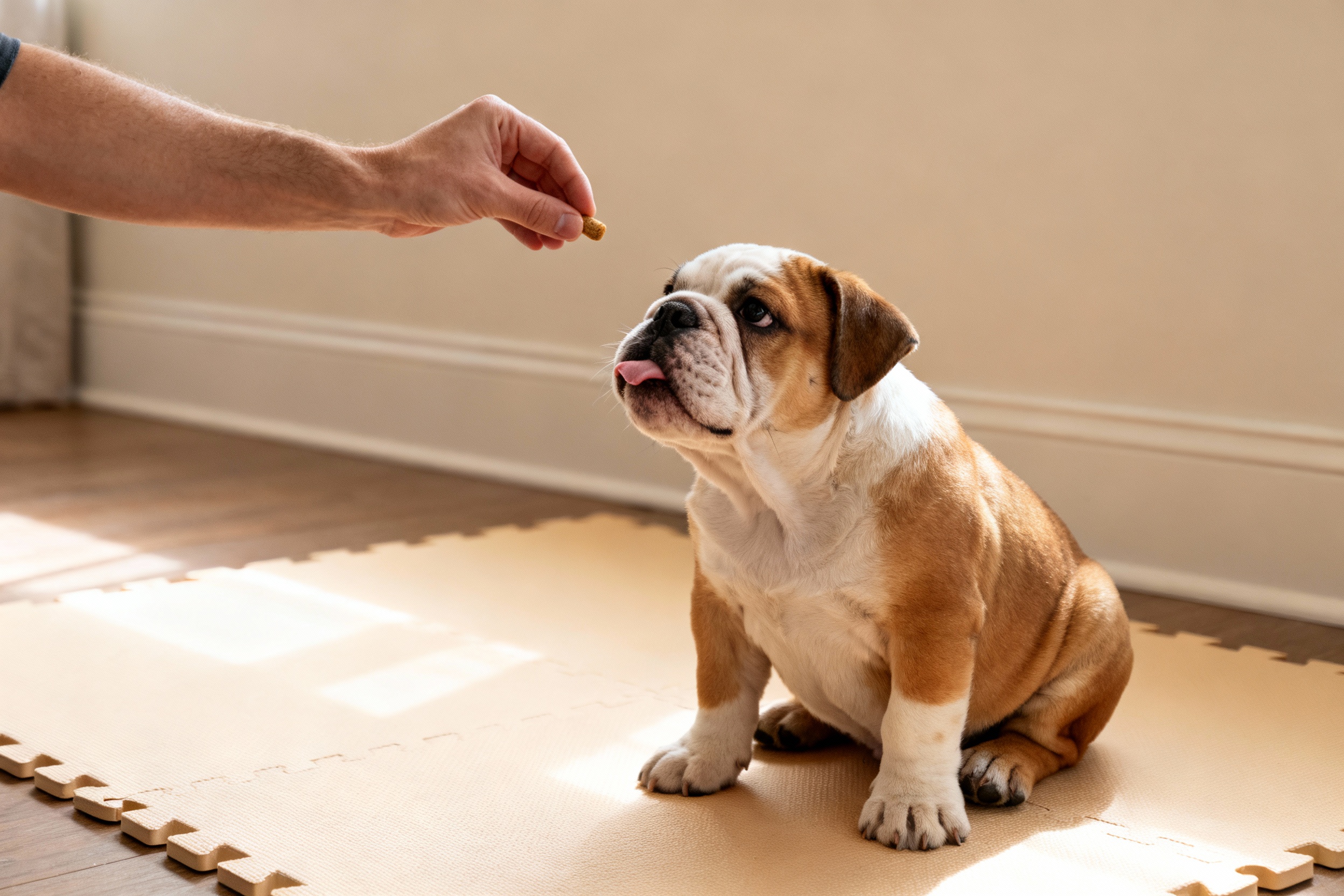
Your bulldog puppy looks like a wrinkly baked potato with feet—and you love them for it. Now comes the fun part: teaching that potato how to live in your home without chewing your shoes or ignoring you with Olympic-level commitment. Bulldogs learn best with patience, structure, and humor.
You bring the snacks; I’ll bring the plan.
Know Your Bulldog: Temperament and Timing
Bulldogs bring stubbornness, sweetness, and comedic timing in one compact package. They adore people and thrive when you keep training sessions short, upbeat, and consistent. If you try to force things, they plant their butt and stare at you like a brick with eyes. Start early and go slow. Their joints and breathing need gentle handling.
Keep training bursts to 5–10 minutes, 2–4 times a day. End on a win, even a tiny one. Progress beats perfection every time.
House Training Without the Headache
House training a bulldog puppy means routine, supervision, and serious treat enthusiasm.
Bulldogs learn patterns quickly when you set them up to succeed.
Create a bathroom schedule
- First thing in the morning, after meals, after naps, and before bed.
- Take your puppy to the same spot. Cue with a word like “Go potty.”
- Celebrate like they just got into college when they go outside.
Crate training helps a ton
- Pick a crate they can stand, turn, and lie down in—no ballroom needed.
- Feed meals in the crate to build positive vibes.
- Keep nighttime potty trips boring—out, potty, back to bed. No party at 2 a.m.
Accident inside? Clean with an enzymatic cleaner and move on.
No scolding. Punishment just confuses them and delays progress, IMO.
Basic Cues: The Bulldog Starter Pack
You want a bulldog who listens? Make listening worth it.
Use high-value treats and a cheerful tone. Keep sessions short and end with play.
Name recognition
Say their name once. When they look, mark it with “Yes!” and treat.
Do this everywhere—kitchen, yard, hallway—so responsiveness becomes automatic.
Sit and down
- Sit: Lure their nose up with a treat until their butt hits the floor. “Yes,” treat. Add the word “Sit” once they do it reliably.
- Down: From sit, bring the treat from their nose to the floor between paws. Reward the slide to sphinx pose.
Come when called
Use a happy tone and kneel.
Say “Come!” once. Reward like you just won a prize when they arrive. Avoid calling them for things they dislike (like bath time) early on, or you’ll poison the word.
Leave it
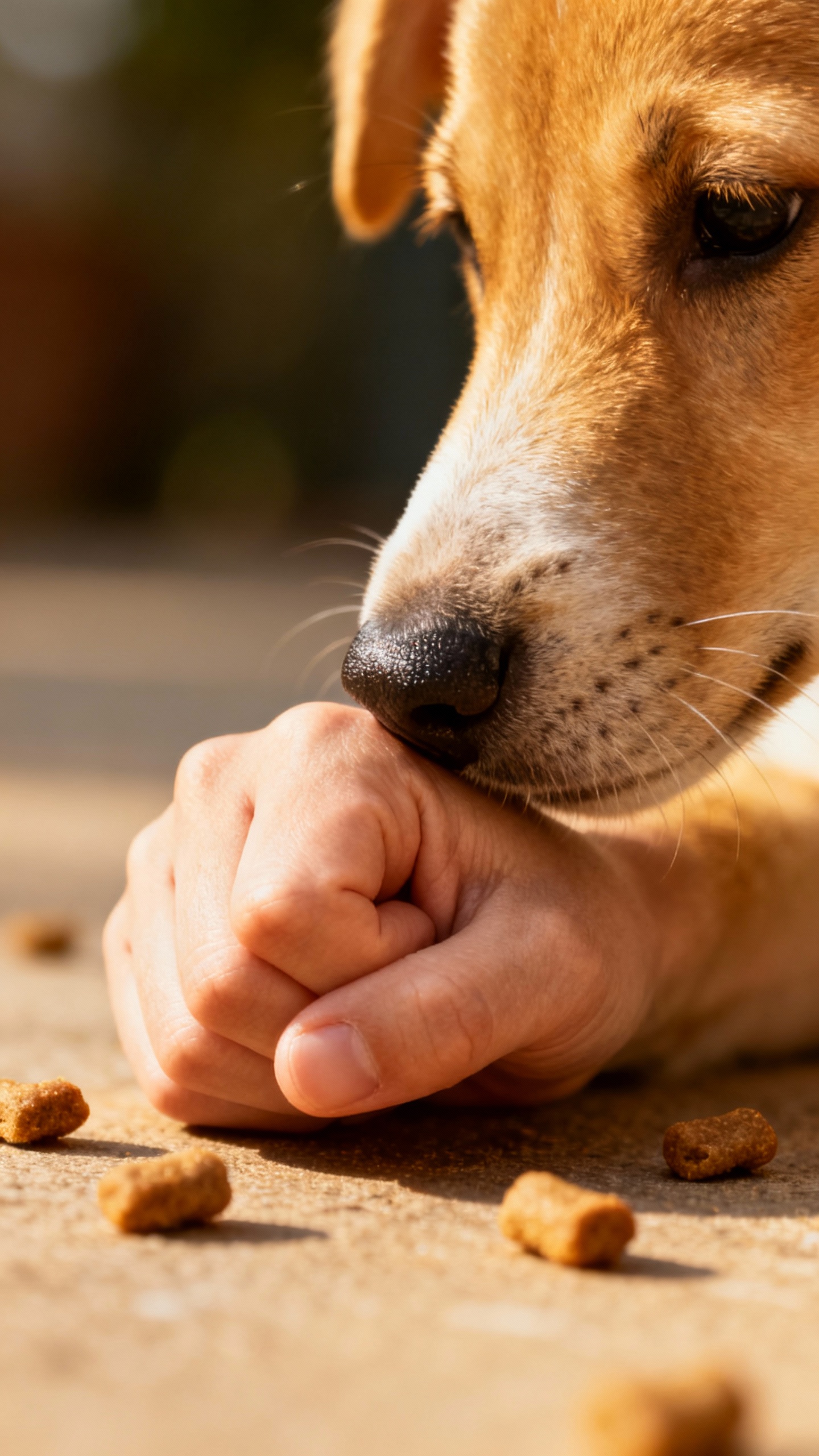
Hold a treat in a closed fist.
When they stop licking/gnawing, say “Yes” and give a different treat from the other hand. This teaches impulse control and keeps them from snacking on mystery floor items. FYI, bulldogs consider dust bunnies a delicacy.
Bulldog-Specific Health Considerations
Training a bulldog includes caring for their body.
They’ll try to keep up, but their breathing and joints demand smart choices.
Short sessions, smart exercise
- Stick to low-impact play: tug, short fetch, puzzle toys, training games.
- Avoid long runs and stairs while their joints develop.
- Watch for overheat signs: heavy panting, tongue wide and bright red, slowdown. If you see it, stop and cool them down.
Grooming = bonding time
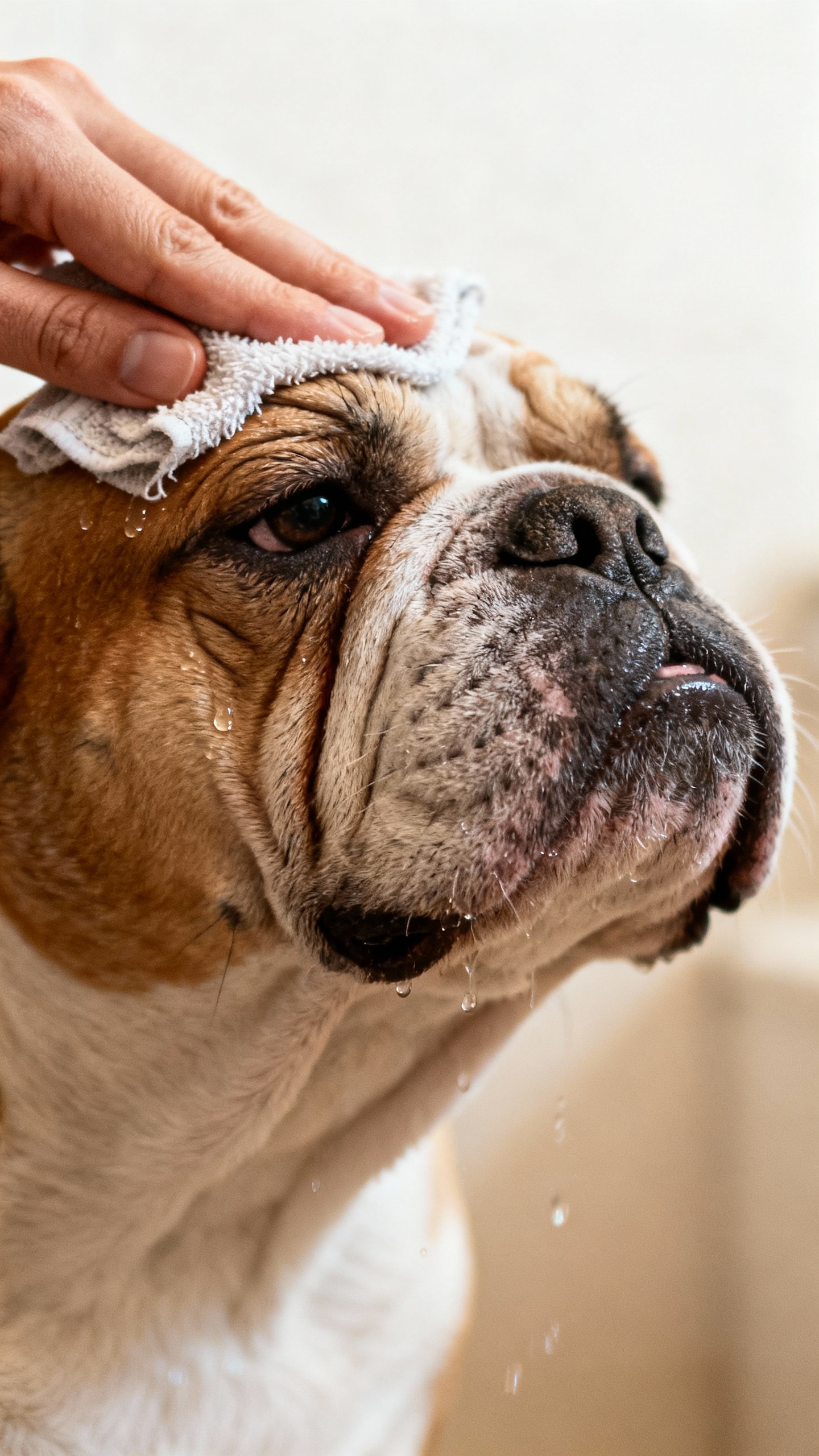
- Wrinkle care: Gently clean folds with a damp cloth and dry thoroughly.
- Ears and tail pocket: Wipe weekly to prevent gunk buildup.
- Nails: Trim often. Frequent tiny trims beat occasional wrestling matches.
Use grooming as training. Pair handling with treats.
Touch a paw, treat. Lift a lip, treat. You build trust and a tolerant adult dog.
Socialization That Doesn’t Overwhelm
Socialization means safe exposure to the world before 16 weeks, then ongoing maintenance.
You’re not throwing them into chaos—you’re building confident curiosity.
Make a socialization checklist
- Sights/sounds: umbrellas, skateboards, vacuum, bikes, traffic.
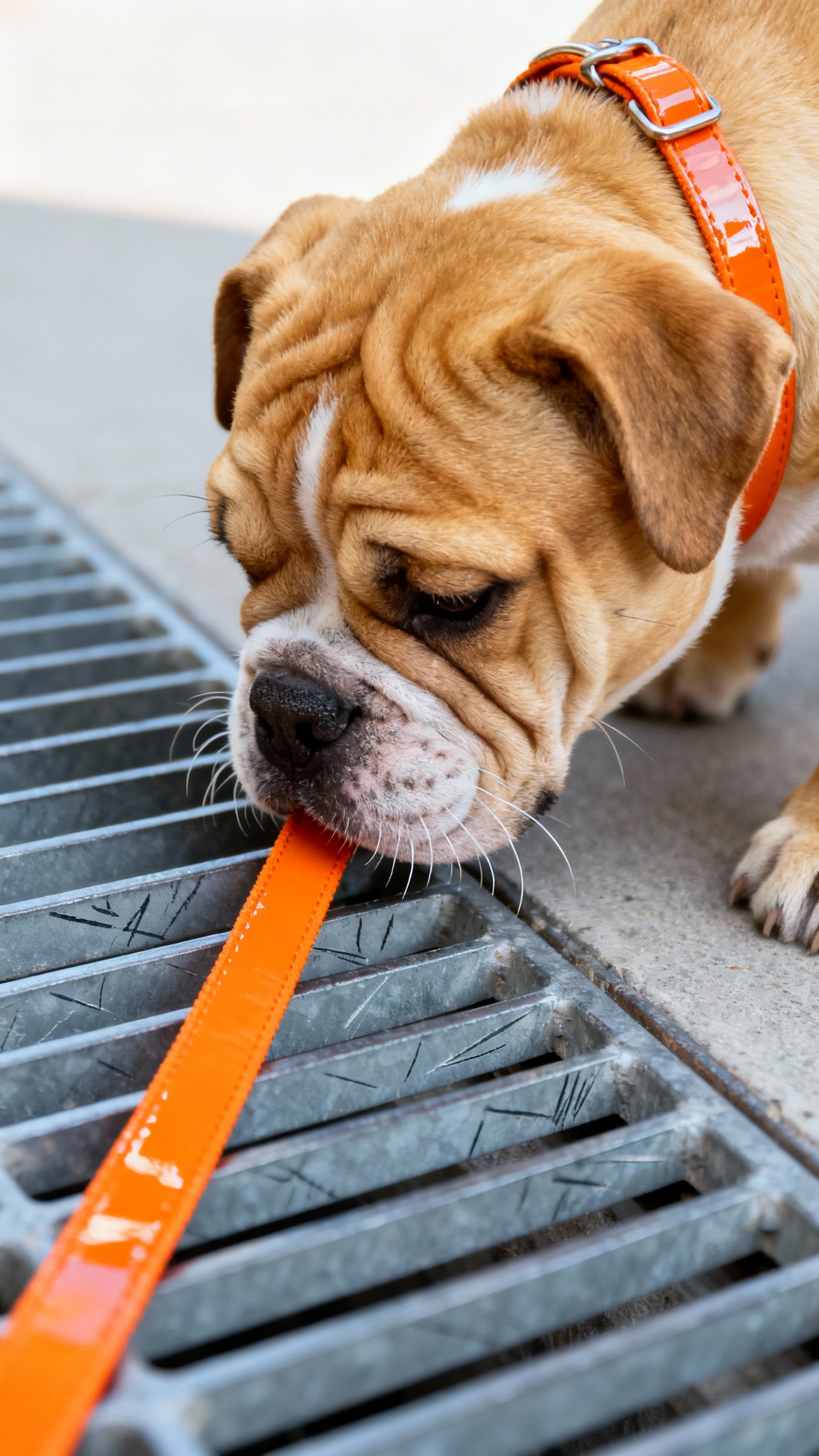
- Surfaces: grass, gravel, metal grates, wood floors.
- People: hats, beards, kids with scooters, folks carrying bags.
- Dogs: friendly, vaccinated dogs with calm play styles.
Keep sessions short and positive. Reward calm glances and brave sniffs. If your pup freezes or avoids, increase distance and lower intensity.
Confidence grows at their pace, not ours.
Prevent Problem Behaviors Early
Bulldogs rarely scheme, but they absolutely repeat what works. Train what you want instead of chasing what you don’t.
Chewing and biting
- Offer a rotation of safe chews and toys. Redirect calmly from hands or furniture.
- For puppy nips, yelp softly or say “Too rough,” then offer a toy instead.
- Crate or pen during high-energy zoomies to protect your baseboards.
Jumping on people
Teach “Sit” as their default greeting.
Ask friends to only pet when your puppy sits. If they pogo-stick, step back and try again. Consistency beats apologies.
Resource guarding prevention
Trade up often.
Approach while they eat, drop a better treat, and leave. Teach “Drop” by trading toy for treat, then giving the toy back. They learn people near their stuff equals bonus snacks.
Leash Skills Without the Sled Pull
Bulldogs have power.
You’ll feel it the first time a squirrel blinks. Start loose-leash skills early.
Gear that helps
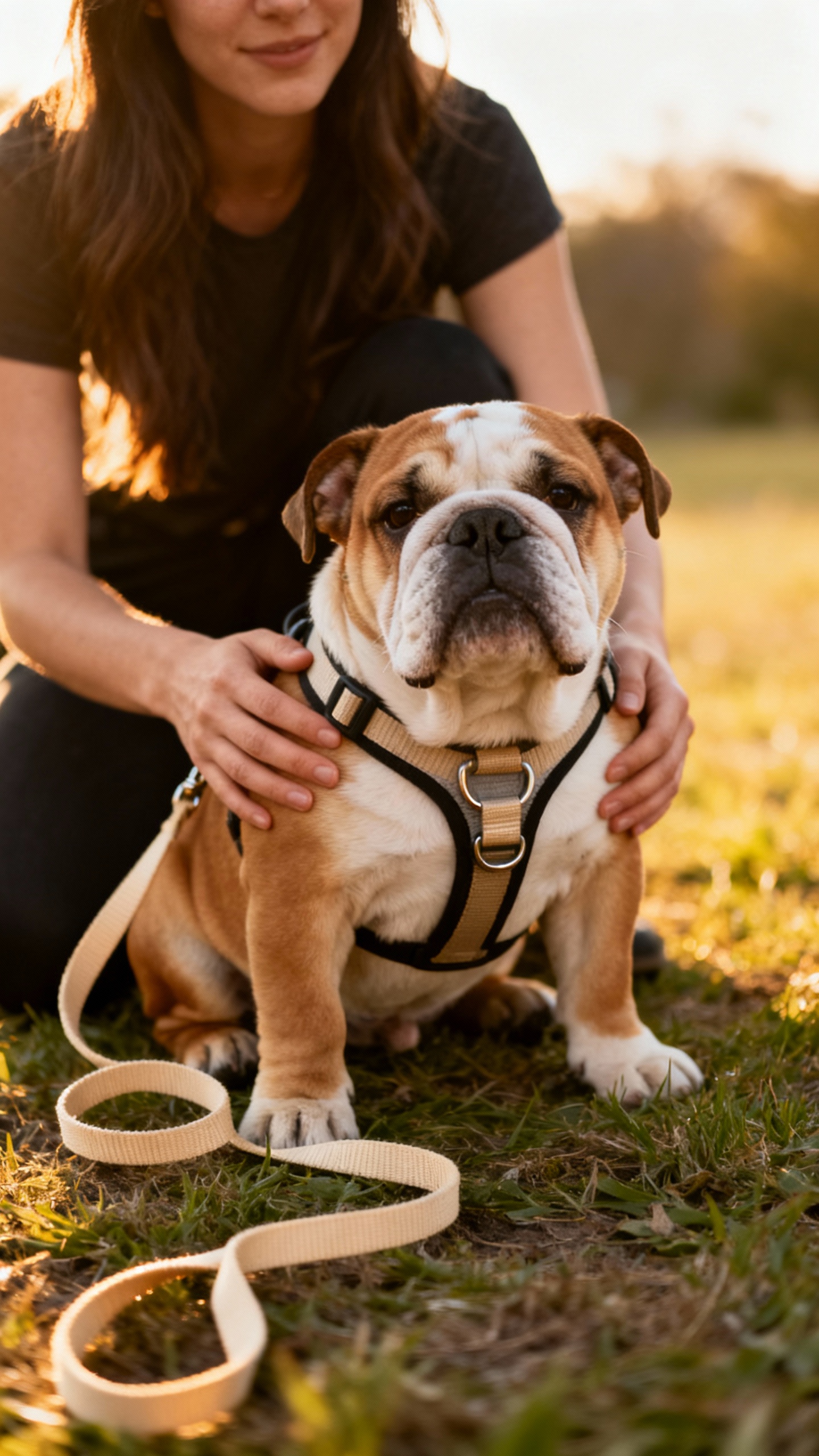
- Front-clip harness: Reduces pulling without choking.
- Light leash: 4–6 feet, no retractables while training.
- Treat pouch: Fast rewards keep them engaged.
Teach position
Reward at your side for a few steps at a time. Change direction often so your puppy watches you.
If they pull, stop. Wait for slack, then move. You’re a tree, not a sled.
Make Training a Habit (and Fun)
You don’t need marathon sessions.
Layer training into daily life so it sticks.
- Mealtime training: Ask for sits, waits, and name looks.
- Commercial breaks: Two-minute “Come” and “Down” reps.
- Walk games: “Find it” with tossed treats, sniff breaks as rewards.
Switch rewards: treats, toys, praise, access to sniff a bush. Bulldogs work for pay, but they also love to sniff the news. Variety keeps them interested, IMO.
FAQ
When should I start training my bulldog puppy?
Start on day one.
Keep it gentle and positive. At 8 weeks, work on name, sit, potty routine, and handling. Short, fun sessions build momentum fast.
How do I handle bulldog stubbornness?
Anticipate it.
Use higher-value treats, shorter sessions, and clear criteria. If your pup stalls, break the behavior into smaller steps and reward effort. Stubborn often equals confused or tired.
Are bulldogs hard to house train?
Not if you crush the routine.
Take them out on schedule, supervise indoors, and crate between breaks. Reward outdoor success every time. Most pups click within a few weeks when you stay consistent.
How much exercise does a bulldog puppy need?
Aim for several short play or training bursts daily, plus sniffy walks.
Avoid long or hot sessions. Monitor breathing and keep things low impact while joints develop.
What treats work best for bulldogs?
Soft, smelly, pea-sized treats. Think tiny bits of cooked chicken, cheese, or commercial training treats.
Rotate flavors to keep interest high, FYI.
Should I use a professional trainer?
If you can, yes. A positive reinforcement trainer or puppy class accelerates progress and socialization. Look for someone who uses rewards, not punishment, and understands brachycephalic breeds.
Conclusion
Train your bulldog puppy with patience, humor, and snacks, and you’ll raise a polite little clown who loves to learn.
Keep sessions short, celebrate small wins, and guard their health while they grow. Do that, and your wrinkly potato turns into the world’s best couch comedian—with great manners to match.
Leave a Reply