
You brought home a German Shepherd puppy—congrats and also… buckle up. You just adopted a fuzzy toddler with turbo mode and a PhD in problem-solving. Train early, train often, and you’ll get a loyal, brilliant partner.
Wait too long and your couch will write a memoir titled “The Chew Years.”
Know Your Shepherd: Brains, Energy, Drive

German Shepherds don’t just learn fast—they learn everything fast. That includes the stuff you want and the stuff you really, really don’t. They crave jobs, structure, and engagement, or they’ll invent their own “projects” (usually remodeling your shoes). Key truth: A tired mind equals a calmer dog.
Always plan mental work alongside physical exercise.
- Working breed: They need tasks, not just cuddles.
- High drive: Channel it into training and play, not chaos.
- Confidence matters: Teach with clarity and consistency.
Start With Day-One Foundations
Your first week sets the tone. Don’t wait for “real training” later—start now with simple rules and routines.
- Name recognition: Say the name, treat when puppy looks. Repeat 10 times, 3 sessions a day.
- Marker word: Pick “Yes!” and reward immediately after wanted behavior.
It builds crystal-clear communication.
- Crate and potty routine: Out of crate → potty spot → praise and treat. Boring, structured, effective.
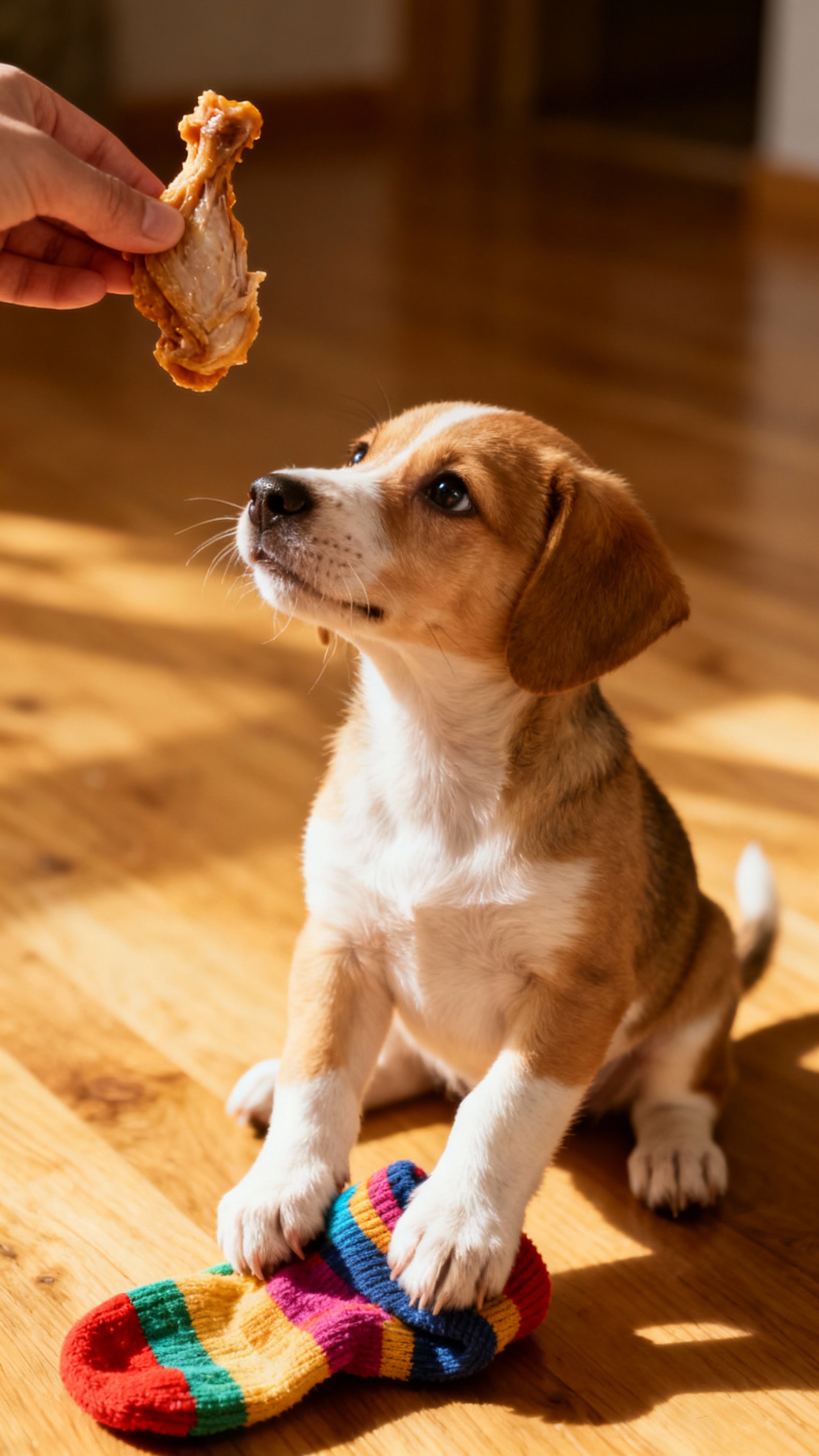
- Chew item rules: Provide legal chew toys. Trade up calmly when they steal your socks—don’t chase.
That’s a game you’ll lose.
Crate Training Without Drama
Make the crate a cozy den, not jail. Feed meals inside, toss treats in, and close the door for very short periods with a stuffed Kong. Increase time slowly.
Whining? Wait for a second of silence before opening. Reward calm, not karaoke.

Socialization: Smart Exposure Beats Chaos
You don’t need to meet every dog in the zip code.
You need calm, positive experiences during the critical window (roughly 8–16 weeks). Aim for “seen that, handled it, no big deal.” Focus on:
- Surfaces and sounds: Wood floors, grates, stairs, traffic, vacuum cleaners.
- People variety: Hats, beards, kids, wheelchairs. Pair with treats.
- Neutral dogs: Calm, vaccinated role-model dogs only.
Avoid dog parks early.
Build Confidence, Not Frenzy
Let your pup watch the world at a distance where they stay relaxed. Reward curiosity. If they stiffen or bark, you’re too close—back up, breathe, make it easier.
IMO, prevention beats “fixing” reactivity later.
Core Obedience That Actually Helps
Forget fancy tricks for now. Nail the skills you’ll use every day. Train in short, fun bursts—3 to 5 minutes, several times daily.
- Sit and Down: Lure with a treat, mark “Yes!” when elbows hit ground, then reward.
Add duration slowly.
- Place: Teach your pup to relax on a bed or mat. Send to place, treat for staying, then release. Magic for visitors and meal times.
- Come (Recall): Start indoors on a long line.
Say “Come!” once, back up, throw a party when they arrive. Never punish after a recall. Ever.
- Leave It / Drop: Trade up with better treats.
Reward the choice to let go. This saves sock lives.
- Loose-Leash Walking: Reward at your left side for eye contact. If they pull, you stop.
No forward progress for towing. Consistency wins.
Proofing: Make Behaviors Bulletproof
Train each skill in different rooms, then the yard, then the sidewalk. Add mild distractions gradually.
If your pup fails, you raised the difficulty too fast. Drop criteria, get a win, then climb again. FYI, 80% success means you’re at the right level.
Bite Inhibition and Nipping (Because Needle Teeth Hurt)
GSD puppies use their mouths like toddlers use hands.
Teach soft mouths early.
- Redirect: When teeth touch skin, calmly offer a tug toy. Praise when they switch.
- End the game: If biting escalates, pause play for 10–20 seconds. Fun stops when teeth happen.
- Use tugs properly: Clear start and stop cues.
Ask for “Sit,” then “Take it.” Teach “Out/Drop” with trades.
What Not To Do
No yelling, no muzzle grabs, no alpha theatrics. You’ll just create anxiety or a conflict-prone dog. Clarity and control beat intimidation every time, IMO.
Exercise and Enrichment: Work the Brain First

You can’t outrun a German Shepherd, but you can out-think one.
Mix physical and mental outlets daily.
- Short training games: 10–15 minutes total per session.
- Sniffaris: Slow walks where the nose leads. Scent work tires the brain.
- Puzzle feeders and Kongs: Meal times become workouts.
- Flirt pole or fetch: Controlled bursts with rules (sit first, release, drop on cue).
Prevent Over-Arousal
If your pup zooms into maniac mode, you did too much too fast. Insert calm breaks, mat work, and scatter feeding.
Teach the “off switch”—reward quiet resting, not just action.
Handling, Grooming, and Vet-Ready Skills
Your future self will thank you for this. Practice calm handling from day one.
- Touch ears, paws, tail, and mouth for 2–3 seconds, feed a treat, and release.
- Brush lightly, treat. Clip one nail, treat, stop.
Build slowly.
- Teach a chin rest on your palm as a “consent” position. If the chin lifts, pause.
Car Rides and Public Manners
Crate or seat-belt harness in the car. Short rides to fun places so the vet doesn’t equal “doom.” Practice calm sits before exiting doors and cars.
No sit, no door opens. Simple.
Common Mistakes You Can Skip
- Inconsistency: Everyone in the house must use the same cues and rules.
- Too much freedom: Supervise or crate until habits form. Freedom is earned.
- Over-reliance on corrections: Teach what to do, not just what not to do.
- No mental work: Exercise alone won’t fix boredom chewing or barking.
- Late socialization: You can’t “make up” missed windows easily.
FAQ
When should I start training my German Shepherd puppy?
Immediately.
Training starts the moment the pup walks in. Keep it fun and short—food rewards, play, and clear routines. Waiting just teaches random habits you’ll need to undo later.
How much exercise does a GSD puppy need?
Short, frequent play and training sessions beat marathon runs.
Use the “5-minute rule” for structured walks (5 minutes per month of age, twice a day) and add mental games and sniffing. Over-exercising young joints isn’t worth it.
What treats work best for training?
Small, soft, smelly. Think tiny bits of chicken, cheese, or commercial training treats.
Use a mix: regular kibble for easy tasks, high-value for hard stuff or distractions. Variety keeps your pup interested.
How do I stop my puppy from barking at strangers?
Create distance, feed treats when your pup looks at the person calmly, and reward quiet. Teach “Look” and “Place” so you can redirect focus.
Don’t force greetings—neutrality beats overexcitement.
Is group puppy class worth it?
Yes—if the trainer uses modern, reward-based methods and controls the room. Your pup learns around distractions, and you learn timing and handling. It’s also great for troubleshooting on the spot.
When can I start off-leash work?
Start recall training now, but keep a long line until you hit rock-solid reliability.
Proof around distractions first. Off-leash is a privilege you earn with practice, not a hope and a prayer.
Putting It All Together
Raise your German Shepherd like a smart athlete: structured routines, mental workouts, and clear boundaries. Celebrate wins, keep sessions short, and treat socialization like a part-time job.
Do that, and you’ll get the dream combo—confident, obedient, and genuinely fun to live with. And hey, your couch might even survive puppyhood, which is a win in my book, FYI.
Leave a Reply