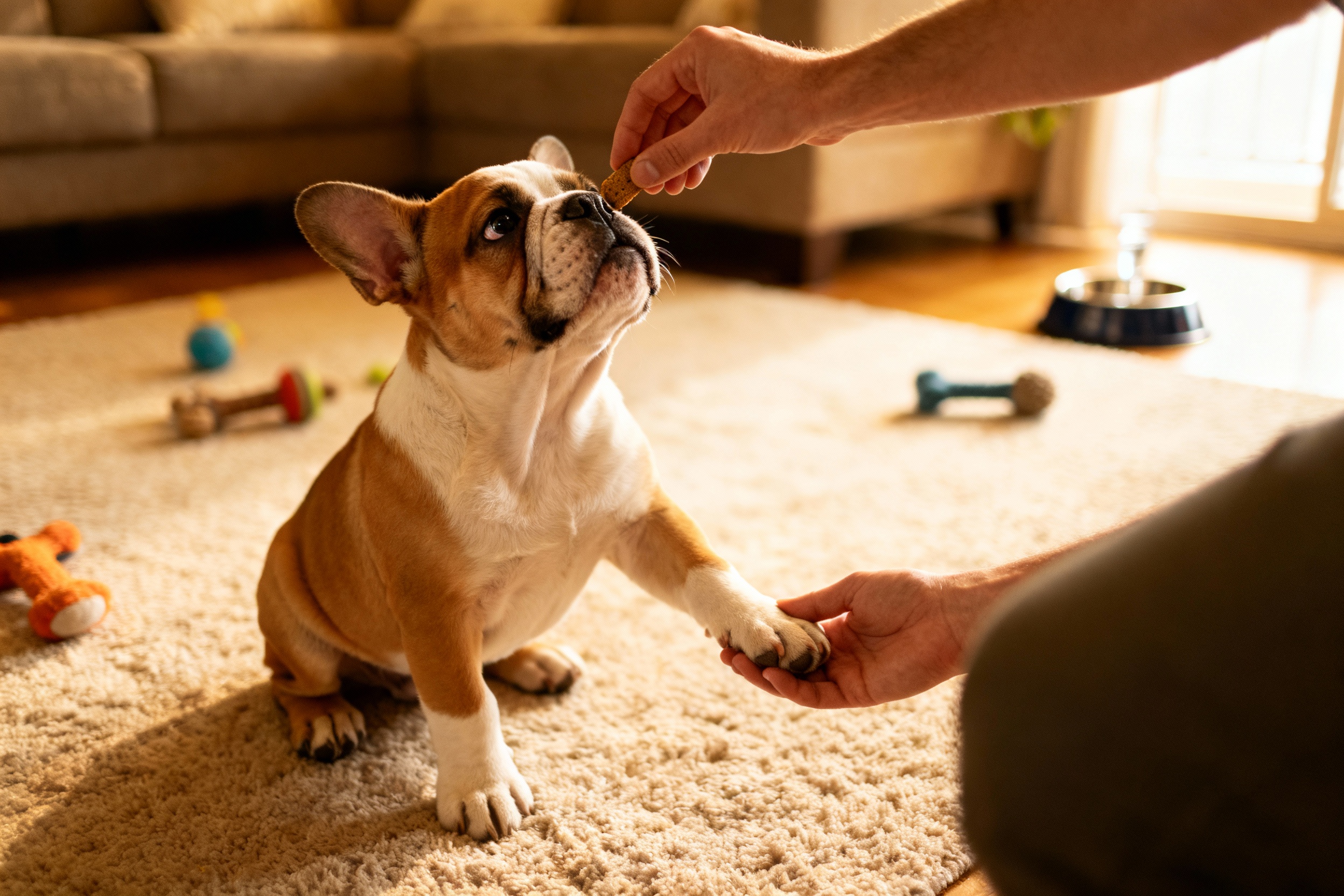
Bulldog puppies are adorable, chunky chaos machines with zero respect for your socks. You love them already—now let’s make them love training, too. Good news: you can teach your bulldog puppy great manners at home without a fancy setup.
Even better news: bulldogs respond to consistency, treats, and chill vibes. Ready to build a well-behaved potato with legs?
Know Your Bulldog: Temperament and Timing
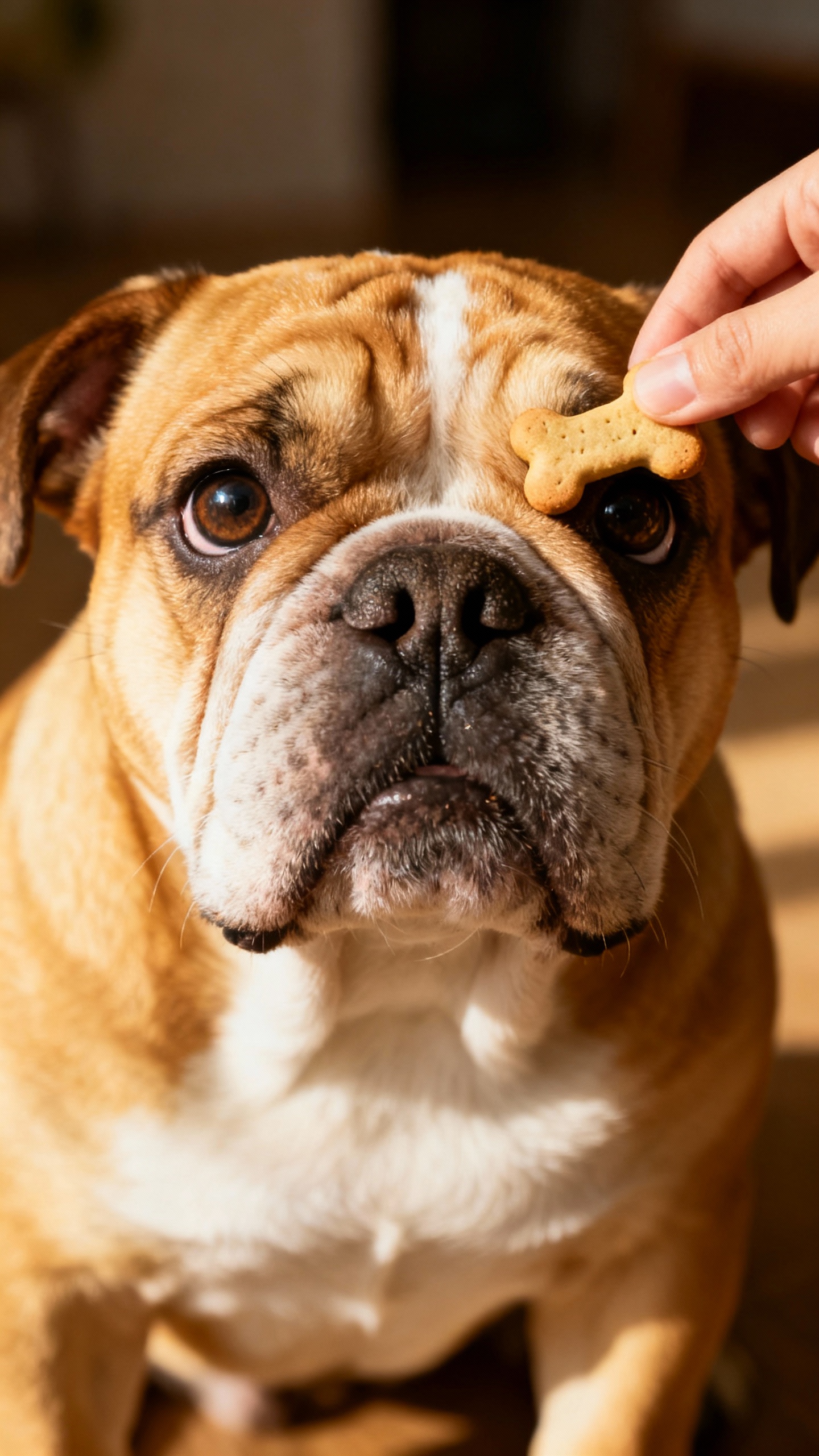
Bulldogs bring stubbornness, humor, and surprising sensitivity. They want to please you… until they don’t.
Your job? Make “please you” the easiest, most rewarding option. Start early, but keep sessions short.
Aim for 5–10 minutes, 2–4 times a day. Bulldogs tire fast, mentally and physically. End on a win and celebrate like you just won the lottery.
Bulldog Training Must-Knows
- Food-motivated: Use tiny, soft treats.
Keep them low-calorie.
- Heat sensitive: Train indoors or during cool hours.
- Stubborn streak: Switch rewards (treats, toys, praise) to keep things fresh.
- Short attention span: Reset with quick play breaks.
House Training Without Losing Your Mind
House training a bulldog puppy requires patience and a schedule. Not glamorous, but it works. Consistency beats “hope and pray” every time.
The Schedule That Saves Your Floors
- First thing in the morning: Straight outside.
No detours.
- After meals, naps, and play: Always outside within 5–10 minutes.
- Every 2–3 hours: Set alarms. Future you will thank you.
- Before bedtime: One last trip out.
When your puppy goes outside, reward within 2 seconds. Praise like crazy.
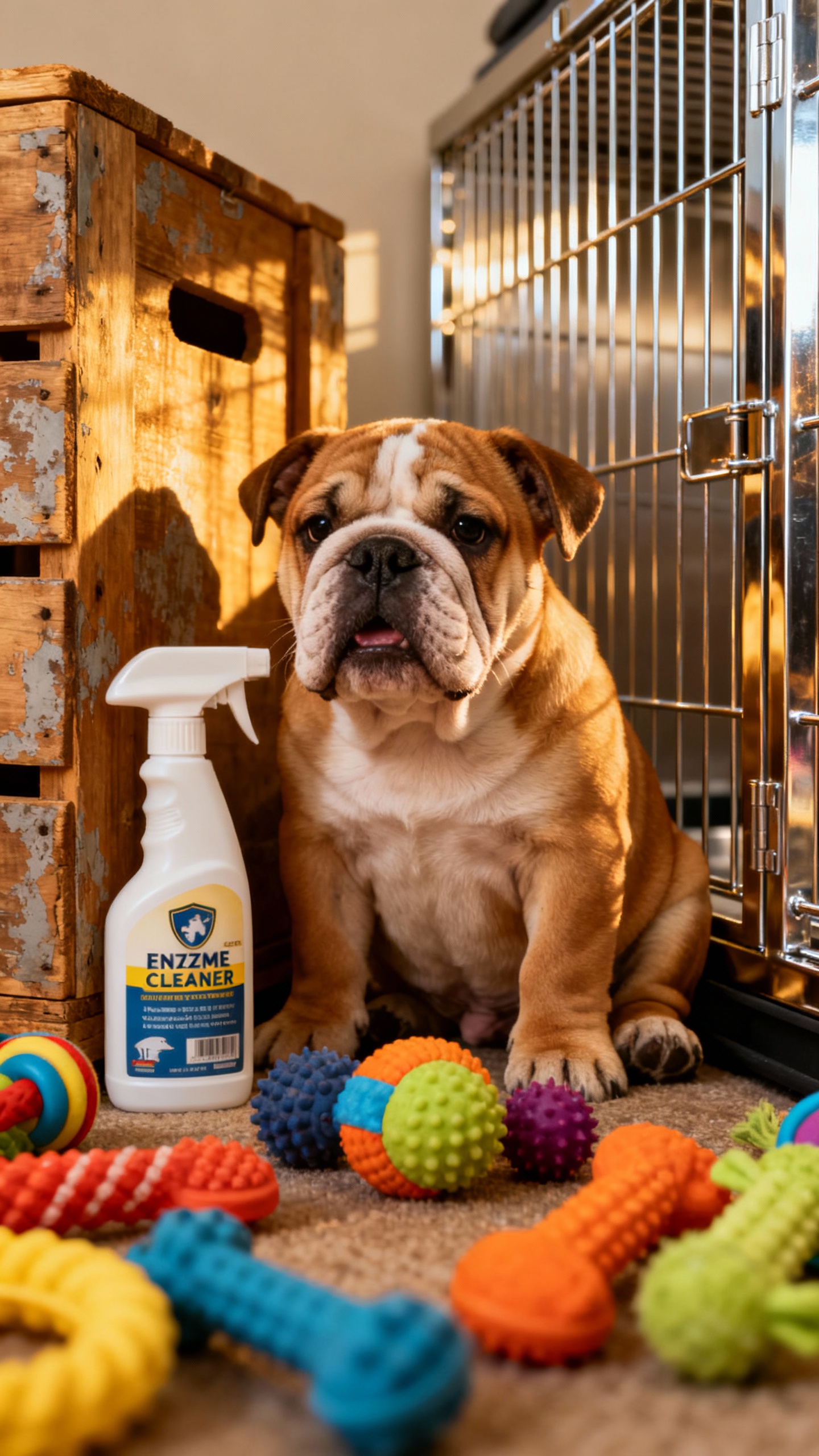
Inside accidents? Clean with enzyme cleaner and move on. Don’t scold—your bulldog will just learn to hide the evidence like a tiny criminal.
Crate and Pen Setup
Use a crate that’s just big enough for standing, turning, and lying down.
Add a playpen for safe hangouts. Bulldogs thrive with structure, and your furniture survives, too.
Basic Obedience: The Bulldog Starter Pack
We’re keeping it simple and practical. Teach skills that make your daily life easier.
Names, Focus, and Marker Words
- Name recognition: Say the name once.
When pup looks, mark with “Yes!” and treat.
- Marker word: Use “Yes!” or a clicker to pinpoint the moment they do the right thing.
- Eye contact (“Watch”): Hold a treat near your eyes. Mark and reward when they make eye contact. Boom—now you have attention on demand.
Sit, Down, and Stay (Short and Sweet)
- Sit: Lure the nose up and back with a treat.
Mark and reward. Add the word “Sit” after a few reps.
- Down: From sit, lure the nose to the floor. Mark and reward once elbows hit ground.
- Stay: Ask for sit, add a hand signal, count to one, mark and treat.
Build to five seconds, then a step back. Slow and steady beats bulldog bullheadedness.
Come When Called (The Lifesaver)
Start inside. Say “Come!” in a happy voice, then run backward a step.
When they chase you, mark and jackpot treat. Leash the pup outside and practice with low distractions. Keep “Come” sacred—never use it for things they hate, like bath time.
IMO, this is the one cue you should overpay for.
Leash Manners Without the Tug-of-War
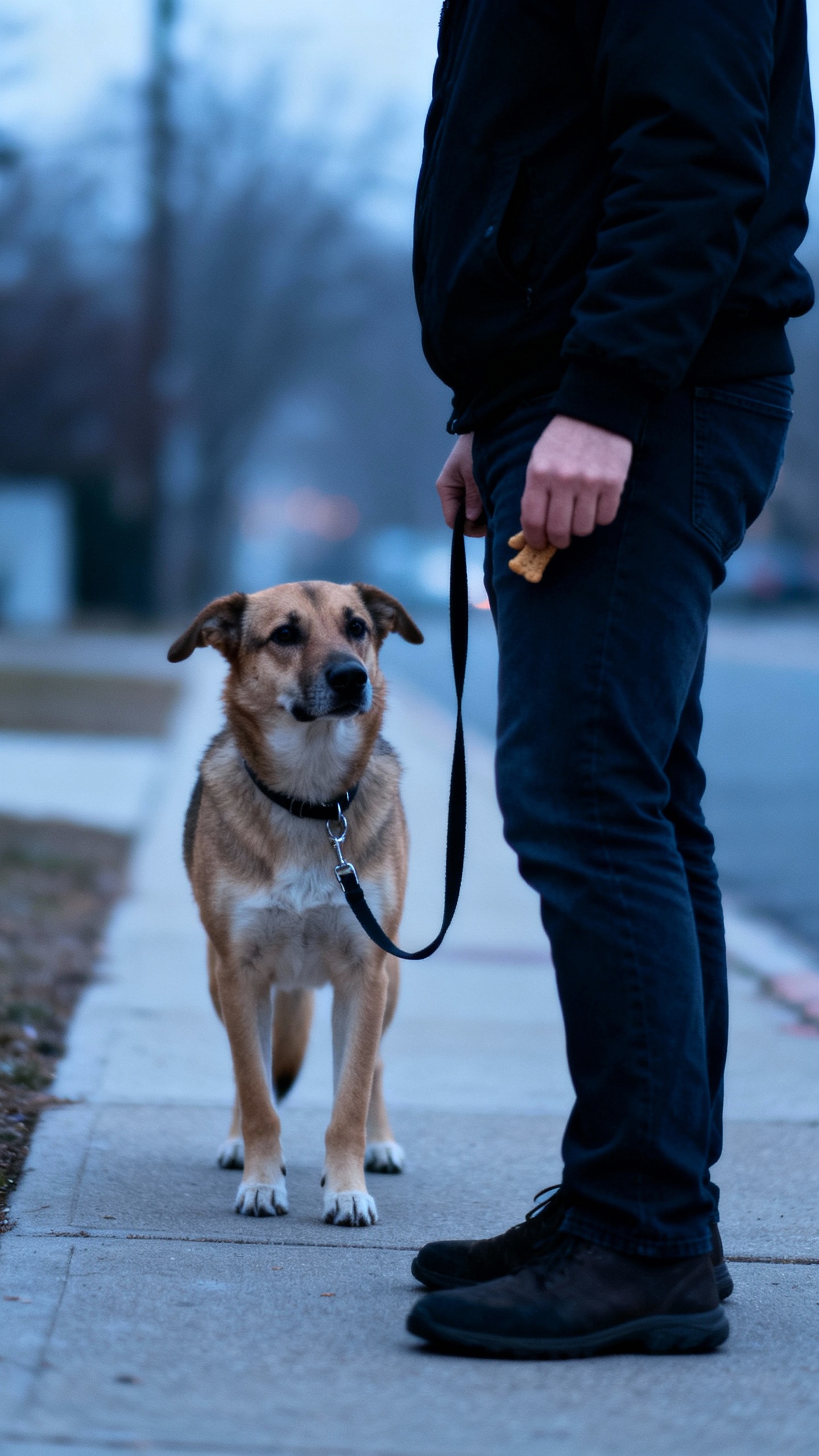
Bulldogs pull like they’re towing a small boat. You need strategy, not biceps.
The Stop-and-Tree Method
When the leash tightens, stop. Don’t yank.
Wait. When your puppy looks back or slackens the leash, mark and move forward. Your message: pulling gets you nowhere, slack gets you everywhere.
Reinforce Where You Want Them
Keep treats at thigh level on your chosen side.
Reward every few steps at first. Turn often. Change speed.
Make yourself the most interesting thing on the sidewalk. FYI, short sessions in boring places work better than epic walks in chaos.
Socialization: Build Confidence, Not Fear
The socialization window stays wide open during the first few months. Bulldogs can get cautious if they don’t see enough of the world early.
Create a “New Things” Checklist
Expose your pup to:
- Surfaces: Grass, tile, carpet, rubber mats.
- Noises: Doorbells, vacuums, traffic, skateboards (from a safe distance).
- People: Hats, beards, kids, umbrellas, wheelchairs.
- Dogs: Vaccinated, friendly dogs only.
Short, positive playdates.
Keep sessions brief and positive. Pair new stuff with treats. If your pup looks worried, increase distance and slow down.
Confidence beats bravado every time.
Bite Inhibition and Chewing (Because Teeth Happen)
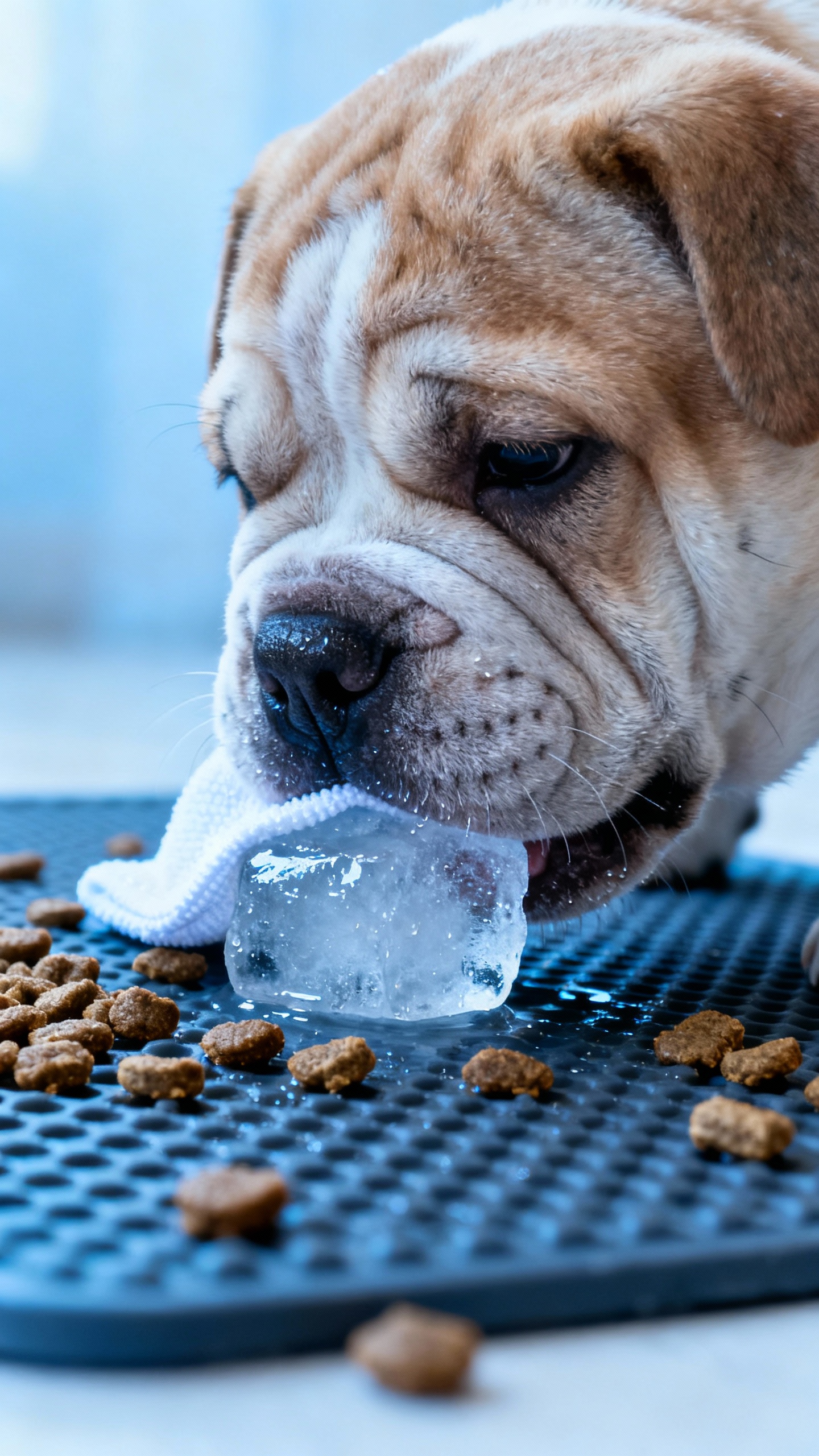
Puppy teeth are medieval. Teach soft mouths now.
- Yelp and redirect: If teeth touch skin, give a quick “Ow!” then hand a chew toy. Resume play calmly.
- Rotate chews: Offer safe options—rubber toys, frozen wet washcloth, puppy-safe chews.
- Prevent boredom: Short training, sniff walks, and food puzzles cut down on chaos chewing.
Guarding Prevention
Trade, don’t take.
Teach “Drop” by offering a high-value treat in exchange. Add the word once they start spitting objects out like a vending machine. You’ll thank yourself the day they grab the mystery sock.
Health, Safety, and Energy Management
Bulldogs don’t need marathon workouts.
They need smart activity and rest.
- Short walks: Two or three 10–15 minute strolls. Avoid heat. Bring water.
- Sniff time: Let them use that nose—it tires the brain in the best way.
- Training as exercise: Five-minute obedience bursts beat overexertion.
- Watch breathing: If they pant heavily or lag, stop and cool down.
Grooming Habits Early
Handle paws, ears, and wrinkles daily for a few seconds.
Treat while you touch. Clean facial folds with vet-approved wipes. Make grooming a mini spa, not a wrestling match.
Making Good Habits Stick
Consistency makes your bulldog brilliant.
Random rules make them confused and spicy.
- One cue, one rule: If “Off” means no furniture, don’t allow “sometimes.”
- Pay good behavior: Quiet on the mat? Treat that calm. Don’t only react to chaos.
- Use jackpots: For big wins (first outdoor potty, long stay), pay big.
IMO, big moments deserve big snacks.
- Gradual challenges: Add distractions slowly. New room, then backyard, then quiet street, then busier areas.
FAQ
How many treats are too many?
Aim for tiny treats—pea-sized or smaller. Keep treat calories under 10% of daily intake.
Use part of their kibble for training, then layer in high-value treats for tough moments.
My bulldog puppy refuses to walk. What now?
Check the environment first—too hot, too cold, too scary? Try a few steps, reward, then let them sniff.
Use short, fun sessions and avoid pulling. Sometimes sitting on the curb for a minute resets the vibe.
When should I start leash training?
Start right away—indoors. Clip the leash, let them drag it while supervised, and reward for following you.
Then move to the yard. By the time you hit the sidewalk, you’ll both feel like pros.
Is my bulldog too stubborn for training?
Nope. Bulldogs respond to clear, consistent, well-paid training.
If your puppy ignores you, either the environment is too hard or your rewards aren’t tasty enough. Adjust both and try again.
How do I stop jumping on guests?
Leash your puppy before guests arrive. Ask for a sit, reward like crazy for four paws on the floor.
If jumping happens, step back and remove attention. Calm earns love; chaos gets no payout.
When can I start socializing with other dogs?
After your vet gives the go-ahead, usually after initial vaccinations. You can still socialize safely earlier by carrying your pup to observe the world, meeting vaccinated adult dogs, and visiting puppy classes that require vaccines.
FYI, safe exposure beats isolation every time.
Conclusion
Training your bulldog puppy at home doesn’t require wizardry—just structure, patience, and a sense of humor. Keep sessions short, pay generously for good choices, and protect your pup from heat and overwhelm. Do that, and you’ll raise a confident, polite, gloriously goofy companion.
And yes, your socks might survive. Eventually.
Leave a Reply