
You finally made it to the dog park—leashes unclipped, tails wagging, chaos brewing. Glorious, right? Also, a tiny bit terrifying if you don’t know the unwritten rules.
This guide helps you navigate the park like a pro, avoid awkward human moments, and keep your pup safe while still having a blast.
Know If Your Dog Actually Likes the Dog Park
Not every dog loves a crowd. Some prefer quiet sniffaris over dog chaos. That’s okay!
You decide what’s fun for your dog, not what looks fun on Instagram. Green flags your dog might enjoy it:
- Loose, wiggly body language
- Play bows, happy zoomies, and quick recovery after spooks
- Checks in with you mid-play
Red flags that say “hard pass”:
- Stiff posture, tucked tail, or whale eye
- Shadowing other dogs, bullying, or fixating
- Hiding behind you or trying to leave
Try a test run before going full send
Scope the park from outside. Watch the vibe, the size split (small vs large dog areas), and the human-to-dog ratio. If your dog looks unsure, ease in on a quiet weekday morning.
Read the Room (and the Dogs)
Your main job: referee vibes.
Don’t doom-scroll your phone while your dog invents WWE. Watch for consent in play—both dogs should take turns chasing, pausing, and re-engaging. When to step in:
- One dog keeps pinning or herding another who can’t get away
- Mounting that doesn’t stop after a redirect
- Resource guarding around toys, water bowls, or you
Quick reset tricks:
- Call your dog to you, reward, release again
- Short leash break to lower arousal
- Rotate to a different area of the park
Body language cheat sheet
- Good play: bouncy movement, curved bodies, play bows, role reversals
- Not great: stiff legs, high tail flagging, hard stare, relentless chasing
- Serious no: raised hackles + freezing + lip lifts = time to leave

Prep Like a Pro Before You Go
Dog parks reward preparation and punish chaos. So yes, pack a little kit and you’ll look like the put-together dog parent we both aspire to be. Bring:
- Poop bags (plural) and hand wipes
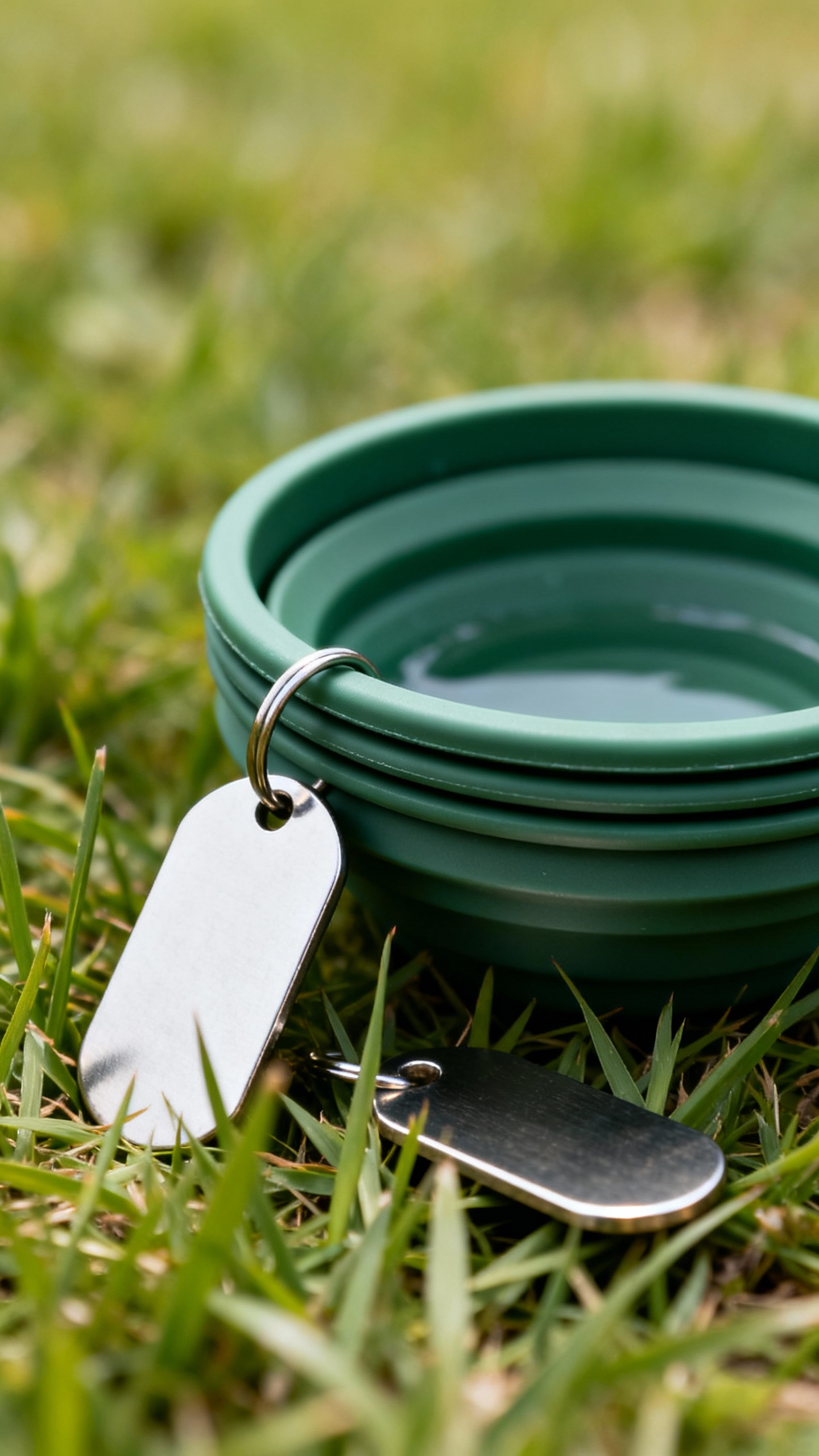
- Water and a collapsible bowl (shared bowls can spread germs)
- High-value treats for recall and resets
- A flat collar or harness with ID tags
Leave at home:
- Personal toys (they start beefs fast)
- Food bowls or chews (resource guarding central)
- Retractable leashes (tangle city)
Training skills that make parks safer
- Reliable recall: your dog comes back the first time, even mid-zoomie
- “Leave it”: for dropped food, gross puddles, or random sticks
- Name recognition: your dog glances at you when you say their name
IMO, if you don’t have at least a decent recall, the park can wait.
Entrance Etiquette: The Gate Is the Spiciest Zone
The gate area turns even chill dogs into bouncers.
Keep it short and smooth. Best practices:
- Leash on until you clear the outer gate, then unclip before entering the play area
- Pause and scan—no rushing into a pileup at the door
- Ask others to give space if a crowd forms (FYI, this is normal and reasonable)
Leashing out: Clip the leash before you exit the inner gate. Avoid awkward “catch the greased ferret” scenes in the parking lot.

Mind Your Manners (Yes, Yours)
We love our dogs. We also need to be tolerable humans in shared spaces.
Friendly reminder: you represent your dog. Do:
- Greet people, not dogs, and always ask before petting
- Pick up your dog’s poop immediately—no excuses, no “I’ll get it on my way out”
- Step in if your dog annoys others (mounting, relentless chasing, humping)
Don’t:
- Bring sick, coughing, or unvaccinated dogs
- Show up with your dog in heat or a fresh surgery incision
- Start debates about training methods mid-scuffle—remove your dog first, discuss later
Kids at the dog park?
It’s tricky. Some parks forbid it, and for good reason. If kids tag along, keep them glued to you, no running, no food, and no hugging random dogs.
Dogs read hugs as restraint, not affection.
Health and Safety: The Stuff No One Wants to Talk About

Dog parks can spread germs faster than a group chat. Keep your dog’s immune system out of the drama. Non-negotiables:
- Core vaccines up to date; talk to your vet about Bordetella and canine flu
- Flea, tick, and heartworm protection
- Regular deworming, especially for social butterflies
Watch the weather:
- Heat: Panting hard, glassy eyes, or slowing down? Leave immediately
- Cold: Short-haired or small dogs may need a coat
- Air quality: Smoke or smog?
Skip it
If a scuffle breaks out
Stay calm. Shouting escalates dogs. Each owner grabs their dog’s hind legs and lifts like a wheelbarrow, then circles away.
Don’t reach near mouths. Once separated, leash up and take a decompression walk. No blame game at the fence—everyone’s adrenaline spikes, judgment drops.
Timing, Space, and the Right Crowd
Dog parks are not one-size-fits-all.
Your experience depends on the scene. Pick your window:
- Early mornings: calmer, more regulars, better manners
- Evenings/weekends: busy, high arousal, more variables
- Midday weekdays: ghost town—great for timid dogs
Find your dog’s best fit:
- Puppies: short visits, frequent breaks, positive experiences only
- Bulldozers: need larger spaces and equally sturdy playmates
- Senior dogs: prefer sniffing perimeters over mosh pits
When to leave (no guilt)
If your dog ignores you entirely, keeps guarding, or gets over-aroused, call it. Quitting while you’re ahead keeps confidence high. FYI, ten great minutes beat an hour of chaos.
Upgrade the Fun Without the Drama
You can make the park more enriching with minimal effort and zero carnage. Ideas to try:
- “Find it!”—scatter a few treats in the grass for a sniff break
- Call-and-release games to practice recall while reinforcing engagement
- Short obedience bursts (sit, down, touch) then back to play
Make friends with the regulars:
- Set up micro-playdates with dogs that match your pup’s style
- Coordinate “toy-free hours” with other owners to avoid resource squabbles
- Share the workload: one person refills water, another stocks poop bags
FAQ
How old should my puppy be before visiting a dog park?
Wait until your pup completes core vaccinations—usually around 16 weeks.
Start with short sessions during quiet times. Pair with supervised puppy classes to build social skills in a controlled way.
Is the dog park safe for small dogs?
Yes, if the park has a small-dog area or the large-dog side stays calm. Watch for rough play or high-speed chases.
Small dogs need exits, elevated perches, and advocates who step in quickly—aka you.
What if my dog guards toys or water?
Skip shared toys and use individual water setups. Interrupt early guarding signs—stiffening, hovering, freezing—and reset with distance. If guarding continues, the dog park might not suit your dog’s style, IMO.
Can I bring two dogs at once?
Only if you can manage both.
Dual-wrangling gets tricky during scuffles or recalls. Try separate first visits to learn each dog’s park style before going as a duo.
How long should a visit last?
Thirty to forty-five minutes works for most dogs. End before your dog fries their brain—watch for sloppy play, slower recall, or crankiness.
Quality beats quantity every time.
What if another owner won’t control their dog?
Advocate for your dog. Call your dog to you, create distance, and leave if needed. You owe politeness; you don’t owe your dog as a chew toy.
Conclusion
Dog parks can be magic: fresh air, new friends, happy naps after.
They can also be mayhem if you wing it. Read the vibe, manage your dog, and leave on a high note. Do that, and you’ll both walk out like champs—muddy, grinning, and ready for round two tomorrow.
Leave a Reply