
Puppies don’t come with a “how to be cool around literally everything” switch. They learn it. Early.
And if we skip that window, stuff that should feel normal—doorbells, skateboards, the mail carrier’s hat—can feel terrifying. The good news? You can raise a confident, friendly dog with a bit of planning, a pocket full of treats, and a sense of humor.
Why Socialization Matters (and When to Start)
Socialization means teaching your puppy that the world is safe and fun.
We want them to see new people, places, sounds, and surfaces and think, “Oh cool, more snacks.” That mindset keeps fear and reactivity from setting up shop later. Start right away. The prime socialization window runs roughly from 3 to 14 weeks, with lingering benefits up to about 5 months.
That’s not a lot of time, so we move fast but gently. FYI: You don’t need full vaccines to start—just do it smartly.
Balancing Health and Safety
Yes, your pup needs vaccines. Yes, early socialization still matters.
You can safely socialize by:
- Carrying your puppy in public places until your vet gives the green light for paws-on-ground.
- Hosting playdates with healthy, vaccinated dogs you know.
- Visiting pet-friendly stores that require vaccines (and keeping it short).
- Using clean, low-traffic areas and avoiding dog parks for now.
The Socialization Mindset: Quality Beats Quantity
You don’t need to meet 100 strangers a day. You need good experiences. If your puppy looks worried, you give space and let them choose to approach.
Bravery grows when the puppy leads the pace. Watch your puppy’s body language:
- Relaxed: waggy tail, soft eyes, sniffing, taking treats — keep going.
- Unsure: tucked tail, freezing, refusing treats — move farther away, go slower.
Your job? Pair new things with food, toys, and praise.
If your puppy says “no thanks,” respect it. Consent matters, even with potato-shaped land sharks.
Build a Socialization Game Plan
Plan short, happy sessions. Ten minutes beats an hour, always.
Keep treats handy (pea-sized and amazing), and end while your puppy still wants more.
The Big Four Categories
Think variety across these:
- People: Kids, adults, beards, glasses, hats, wheelchairs, crutches, loud laughers.
- Dogs and animals: Calm adults, polite puppies, cats (from a safe distance), livestock if relevant.
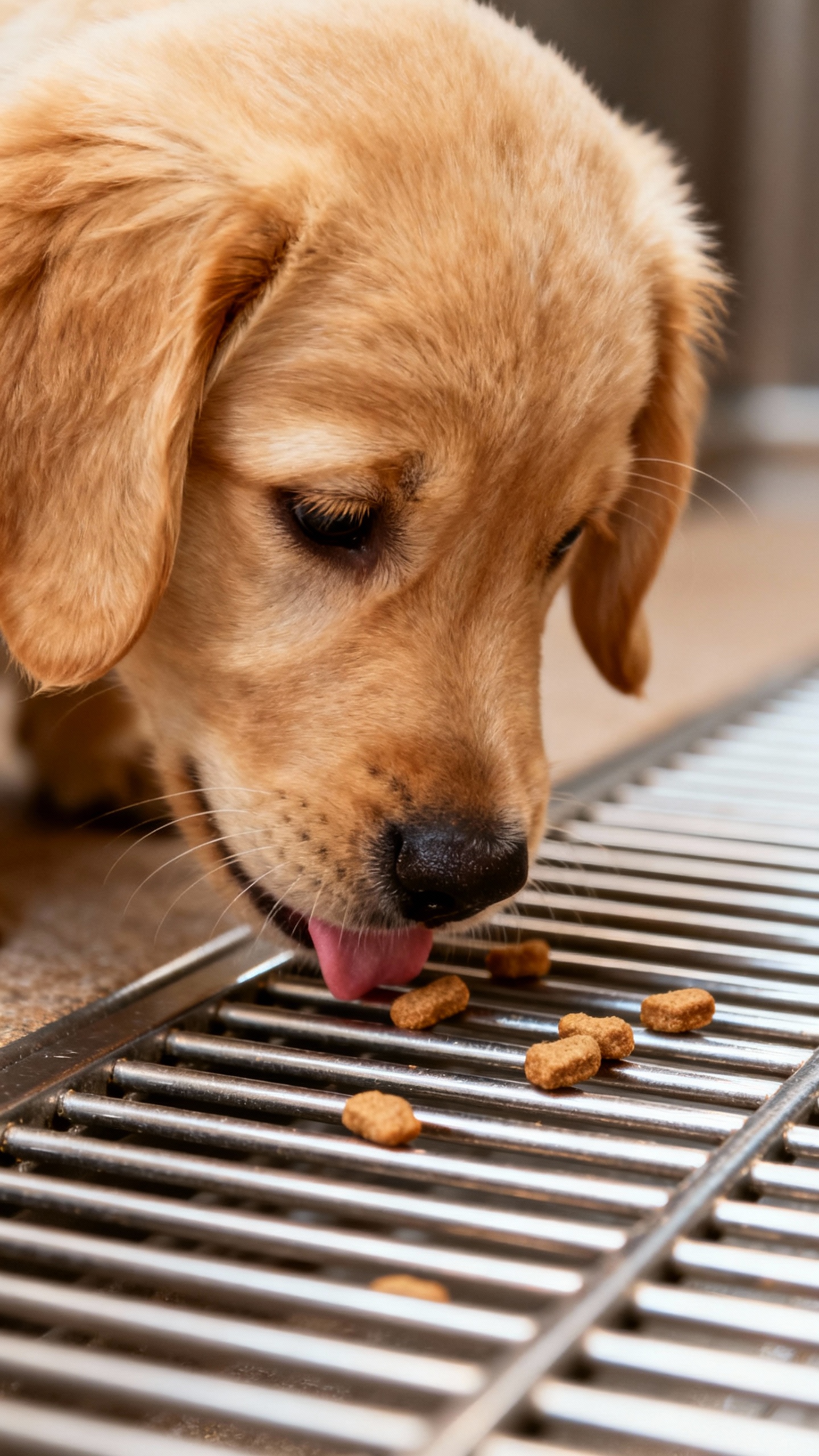
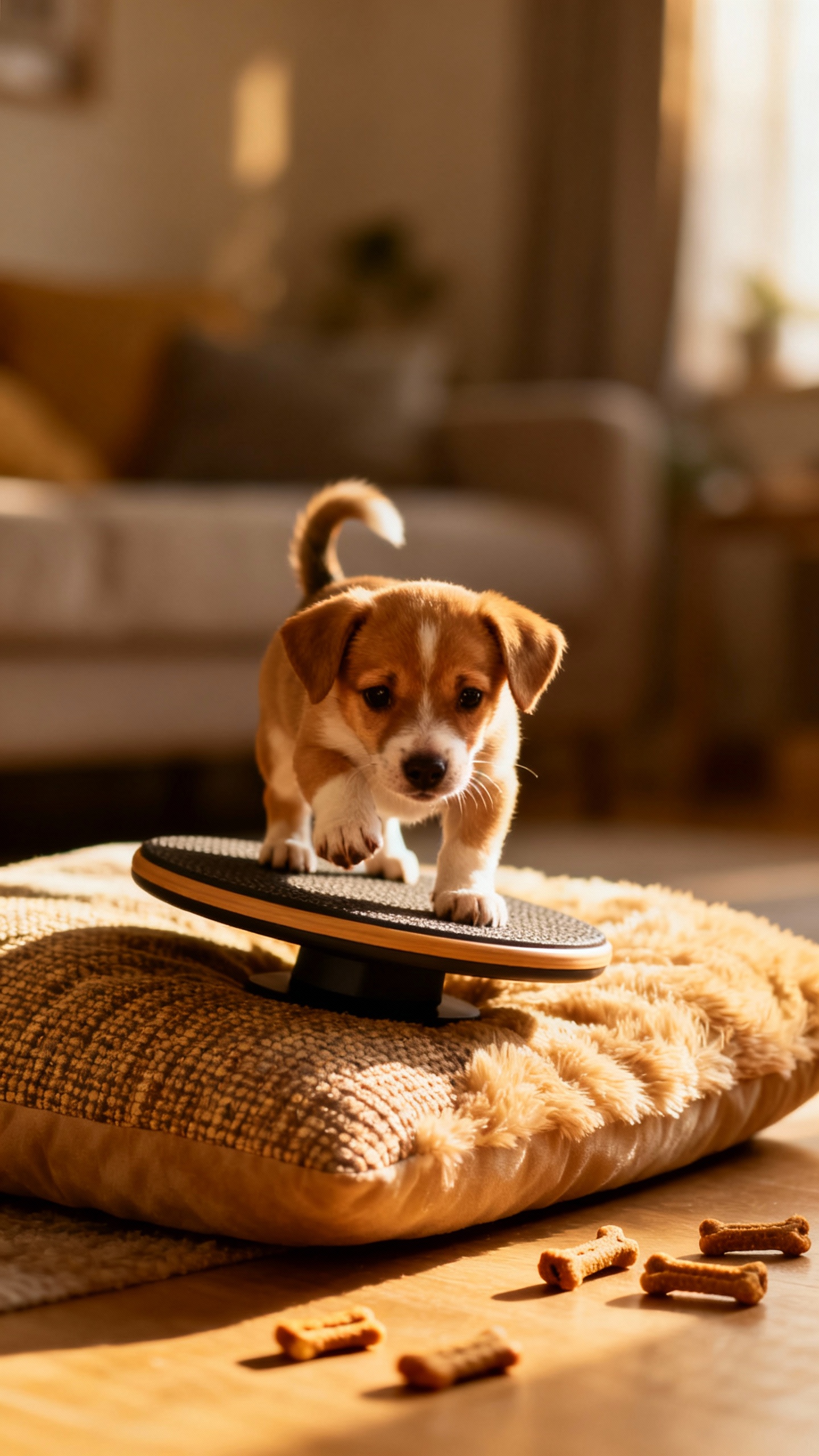
- Places and surfaces: Vets, sidewalks, elevators, stairs, grass, gravel, wobble boards, metal grates.
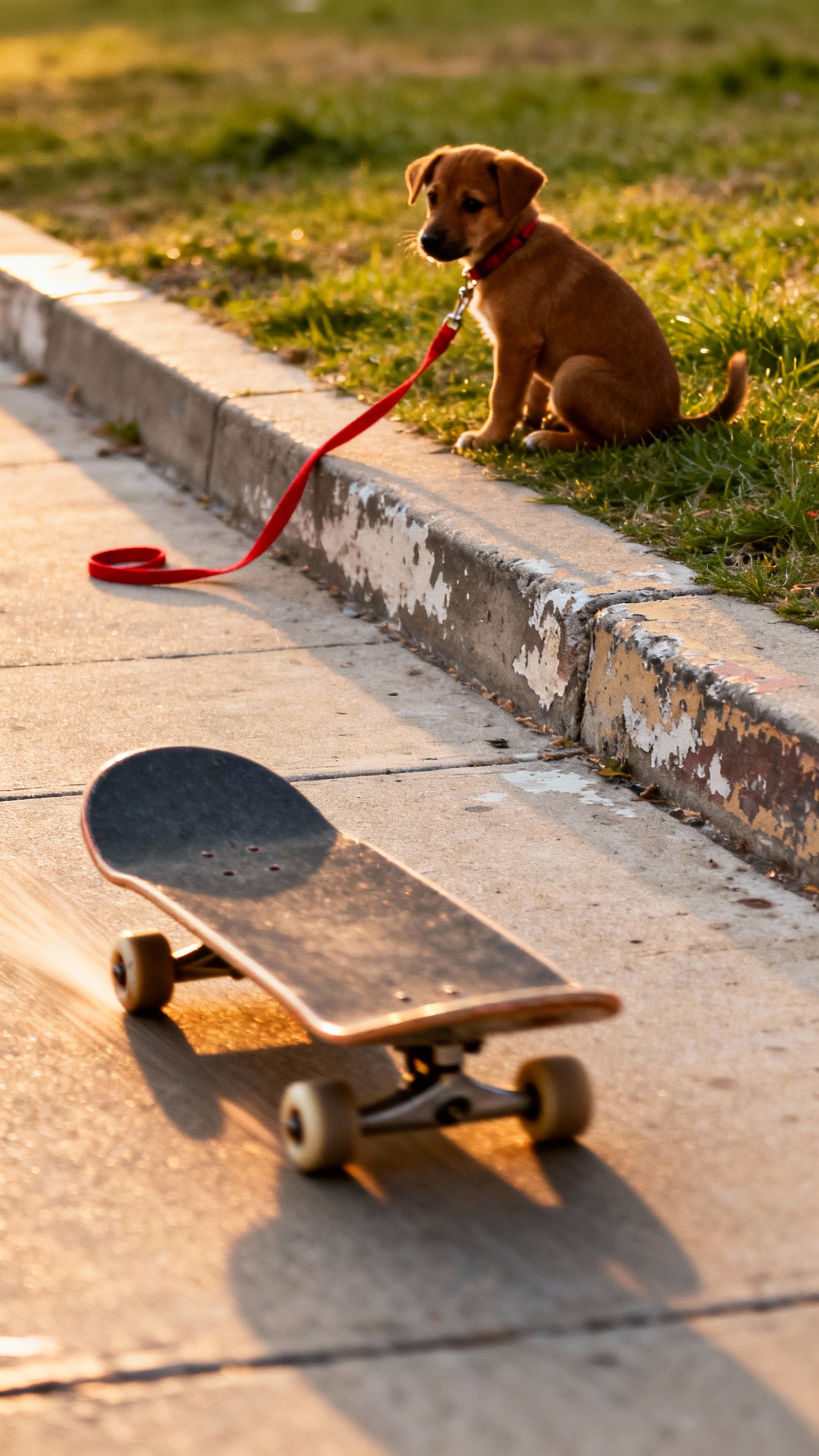
- Sights and sounds: Vacuums, hair dryers, skateboards, scooters, bikes, thunder recordings, doorbells.
Sample Weekly Rhythm
- Mon: Car ride + sit in parking lot people-watching. Treats for every person that walks by.
- Tue: Meet one calm, vaccinated dog. Keep play short and supervised.
- Wed: Handling practice at home (ears, paws, teeth) + new surface exploration.
- Thu: Visit a friend’s house for five minutes.
Explore, treats, leave.
- Fri: Sound desensitization: low-volume recordings + snacks.
- Sat: Pet-friendly store aisle stroll. One aisle is plenty.
- Sun: Chill day. Enrichment toy, sniffy walk, nap like a pro.
Turning Scary Stuff Into “No Big Deal”
We don’t force bravery.
We build it with distance and rewards. See a skateboard? Stand far away.
Feed treats. If the puppy relaxes, move a bit closer. This is called desensitization and counterconditioning.
It works. It’s magic, but science.
The Three-Second Rule
Let your puppy greet a person or dog for three seconds. Count it out.
Then call them back for a treat. Repeat if both parties still look happy. Short reps keep things calm and leave everyone wanting more—not spiraling into zoomies or overwhelm.
Handling Practice Without Drama
You know who touches your dog a lot?
Vets and groomers. Prep now.
- Touch a paw, feed a treat. Lift a lip, treat.
Peek in an ear, treat. Keep it quick.
- Add a cue like “All done!” so your puppy learns when handling stops.
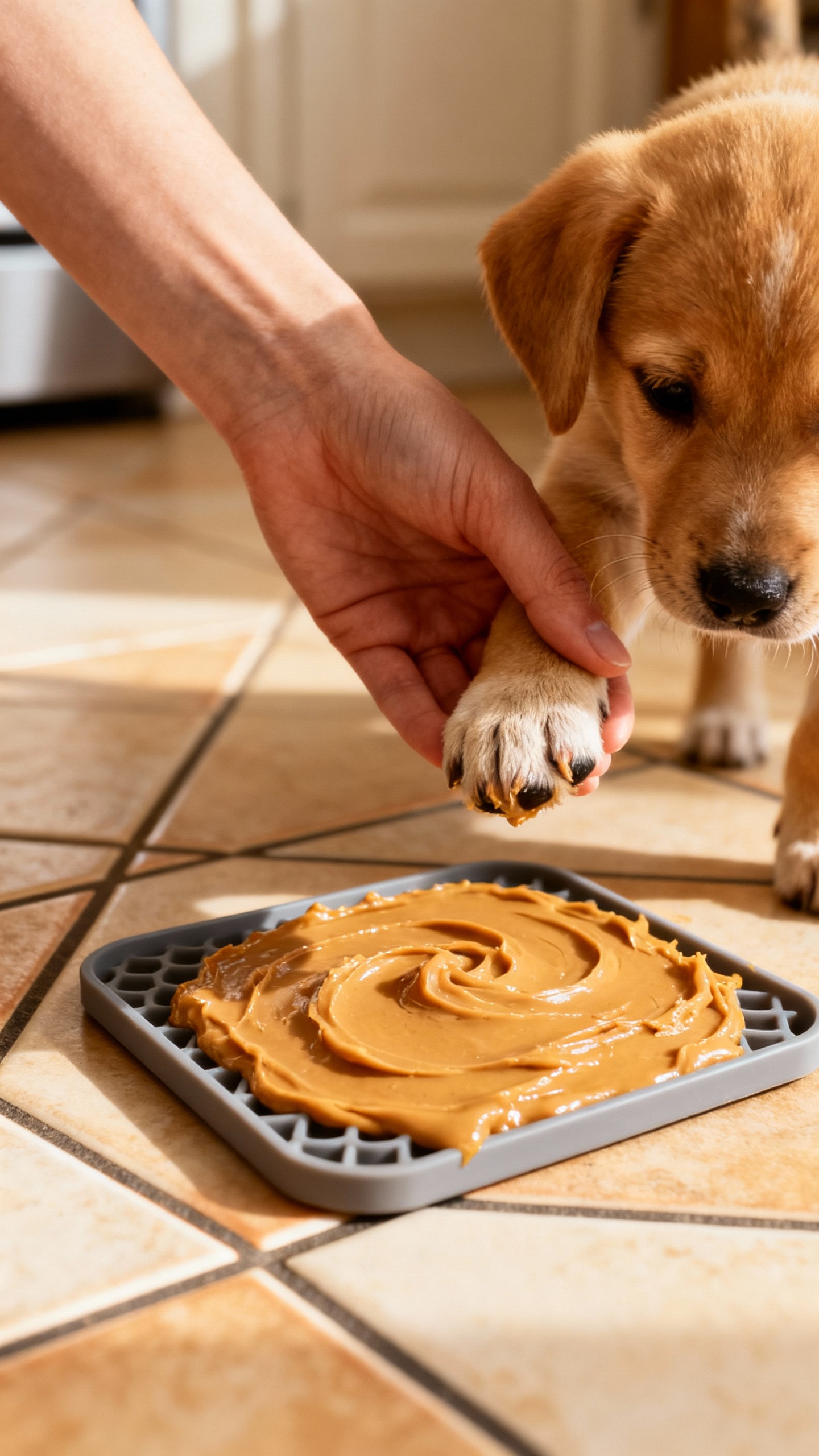
- Use a lick mat or peanut butter smear for nail trims—IMO, best hack ever.
Puppy Classes: The Fast Track to Confidence
A good puppy class gives controlled exposure, playtime with well-matched pups, and coaching for you. Look for:
- Vaccination requirement for all attendees.
- Small class size and separate play groups by size/energy.
- Force-free methods (no leash popping, no intimidation).
- Structured play with frequent breaks.
Can’t find a class?
Book a session with a positive reinforcement trainer for a custom plan. Worth it, IMO.
Common Mistakes (And What To Do Instead)
We all mess up. Here’s how to skip the greatest hits:
- Overexposure: One chaotic dog park visit can set you back.
Choose calm, predictable setups instead.
- Forcing interactions: Don’t push your puppy into hands or faces. Let them approach at their pace.
- Ignoring stress signals: Yawning, lip licking, freezing—these mean “I’m not okay.” Create distance.
- No plan B: If your puppy struggles, lower intensity (quieter place, fewer people) and try again later.
- Stopping too soon: Keep socializing through adolescence (up to 2 years). Teen dogs forget stuff.
A lot.
Social Skills With Other Dogs
You want polite, not pushy. Pick playmates who match your puppy’s size and style. Monitor the vibes.
- Good play: Loose bodies, role reversals, frequent pauses, soft mouthing.
- Red flags: Pinning, relentless chasing, hard stares, hiding under chairs.
If it looks spicy, call a break.
Toss treats on the ground to reset. Short playdates win.
Leash Greetings Without the Tangle
Leashes can create tension. If you allow a greeting:
- Keep leashes loose and short.
- Do parallel walking first.
- Three-second sniff, then cheerfully move on.
Enrichment: Mental Work That Builds Confidence
Confident puppies explore and problem-solve.
Add:
- Food puzzles and snuffle mats.
- Scatter feeding in the yard for sniffing practice.
- Low wobble boards or cushions for body awareness.
- Novel objects like umbrellas, boxes, or rolling suitcases—let your pup check them out, treat generously.
One or two activities a day keep the brain happy without overcooking it.
FAQ
When is it safe to let my puppy meet other dogs?
After their first set of vaccines, they can meet known, healthy, vaccinated dogs in controlled spaces. Avoid dog parks until your vet clears you. Use distance in public and reward calm observation.
Safety first, confidence always.
What if my puppy seems shy or fearful?
Go slower. Add distance, shorten sessions, and use higher-value treats. Let your puppy choose to engage.
If worry sticks around, bring in a force-free trainer for a customized plan. No shame in phone-a-friend.
How many new experiences should we do per day?
Aim for 1–3 short exposures, not a full-day field trip. One good experience beats five overwhelming ones.
If your puppy naps deeply afterward, you nailed it. If they seem wired, scale back next time.
Do I need to let everyone pet my puppy?
Nope. Teach your puppy that people exist without always touching them.
Watch your dog’s body language. If they happily approach, great. If not, smile and say, “We’re training right now,” and keep moving.
Can I fix poor socialization later?
You can improve things a lot with patient training and positive experiences.
It takes longer after that early window, but dogs surprise us all the time. Consistency, tiny steps, big rewards.
What treats work best for socialization?
Use small, soft, high-value treats your puppy loves—chicken, cheese, freeze-dried meats. Dry kibble usually won’t cut it around skateboards and strollers.
Bring a variety so you can level up when things get spicier.
Conclusion
Socialization isn’t a checklist—it’s your puppy learning that the world feels safe. Keep sessions short, fun, and puppy-led. Celebrate tiny wins, pivot when things feel tough, and keep the snacks flowing.
Do that, and you’ll build a confident companion who can handle life’s weirdness like a champ.
Leave a Reply