
You want a dog who charms your grandma, your mail carrier, and the barista who slips them a pup cup? Good news: people-friendly dogs don’t just “happen.” You build them. The secret sauce?
Consistency, smart socialization, and a dash of patience. Let’s skip the fluff and dig into what actually works—so your dog doesn’t turn into that chaotic tornado at the park.
Start Early: Socialization That Makes Sense
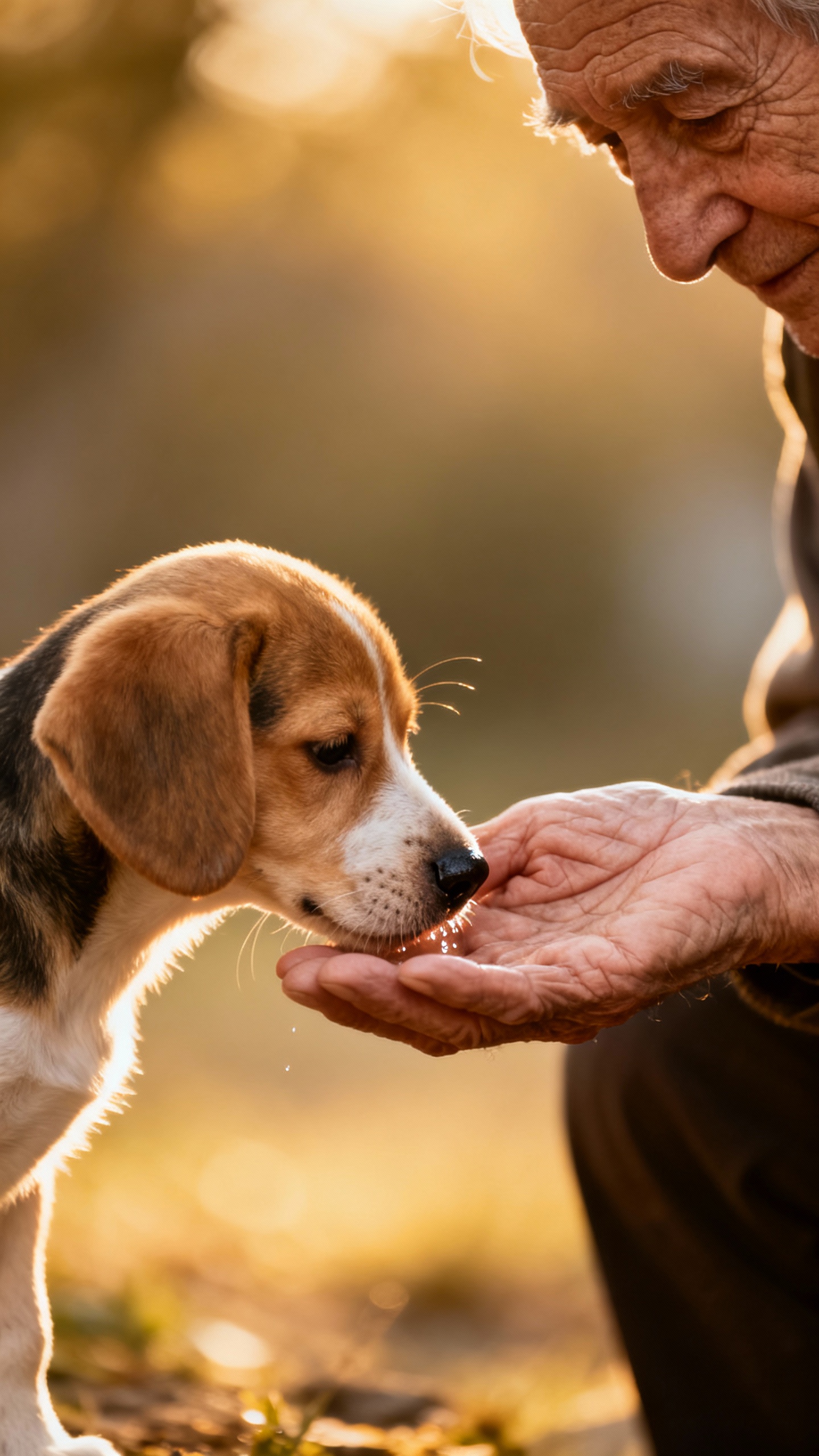
Puppies have a golden window for learning the world isn’t scary. Use it.
Introduce your dog to a variety of people—kids, adults with hats, folks using canes—so they don’t freak out when they see a bearded guy in a hoodie.
- Keep it positive: Pair every new person with treats and calm praise. No forcing, no “just pet him, he’ll get used to it.”
- Short and sweet: Aim for 3–5 minute interactions. End on a win.
- Watch body language: If your dog leans back, yawns, licks lips, or looks away, back off.
Your dog gets to say “no thanks.”
What Counts as “New”?
Think beyond faces. Try:
- Different outfits (sunglasses, backpacks, big coats)
- Wheelchairs, strollers, scooters
- Noisy places (cafes, parking lots), quiet spots (bookstores, lobbies—ask permission)
FYI: Socialization doesn’t mean letting everyone pet your dog. It means helping your dog stay relaxed around people, petting or not.
Teach Manners That People Actually Appreciate
Nobody loves a 70-pound greeter who jumps like a pogo stick.
Train polite habits early and make them your dog’s default.
- Sit to say hi: Ask for a sit before any greeting. No sit = no hello. Sit = attention and treats.
- Four paws on the floor: Reward calm stands with treats at nose level to prevent jumping.
- Leave it and drop it: Essential for sidewalk snacks and kid toys.
Trust me.
Pro Tip: Use Life Rewards
Dogs love access: to people, smells, play. Use that. Ask for a sit, then allow a hello. Reward with what they want, not just food.
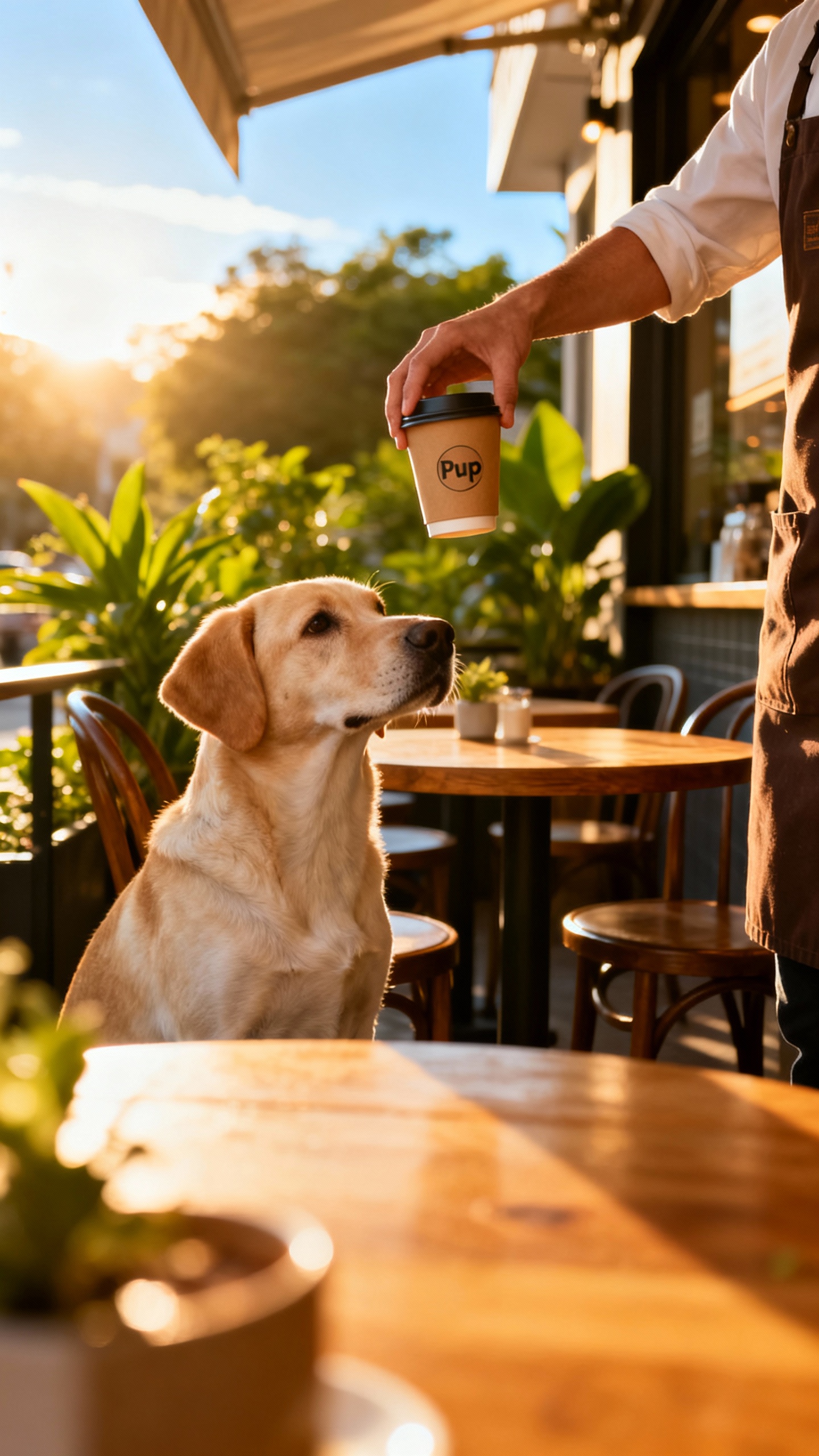
The People-Friendly Mindset: Comfort Over “Cuteness”
Every human thinks they’re a dog whisperer.
Your job? Advocate for your dog. If your pup looks unsure, step in.
You control the interaction—not strangers with grabby hands.
- Consent matters: Teach your dog “Go say hi” as a cue. If they don’t approach, that’s your answer.
- Keep greetings brief: Ten seconds, then call your dog back for a reset and reward.
- Kids and dogs: Guide kids to pet under the chin or chest, not over the head. No hugs.
Ever.
Reading the Room (and the Dog)
Signs your dog enjoys it:
- Loose body, soft eyes, tail wag at mid-height
- Approaches in a curve, not a head-on beeline
Signs your dog needs space:
- Stiff body, tucked tail, whale eye
- Turning away, freezing, lip licking, yawning
IMO: Confident dogs look bored, not hyped, during greetings. Calm > chaotic.
Exposure Without Overload: Build Confidence Gradually
You want your dog cool with crowds, festivals, and patio brunches? Build up to it.
Don’t start at the busiest Saturday market and pray.
- Start at a distance: Watch people from 30–50 feet away. Treat for calm.
- Decrease distance slowly: If your dog stays loose, move closer next session.
- Change one variable at a time: New place OR new people OR new noise—not all three.
Your Weekly Confidence Plan
- Mon: Quiet park bench, watch joggers
- Wed: Hardware store walk-through (dog-friendly ones)
- Fri: Outdoor cafe, sit far from foot traffic
- Sun: Invite a calm friend over for a cookie-drop visit
Keep sessions short and end while your dog still looks happy.
Handling the “Rude” Stuff Without Drama
People will try to pet your dog while you’re training. They will squeal.
They will clap. You will survive.
- Use body blocking: Step between your dog and the person, smile, and say, “Training—thanks!”
- Carry a polite script: “He’s friendly, but we’re practicing calm. Give us a sec!”
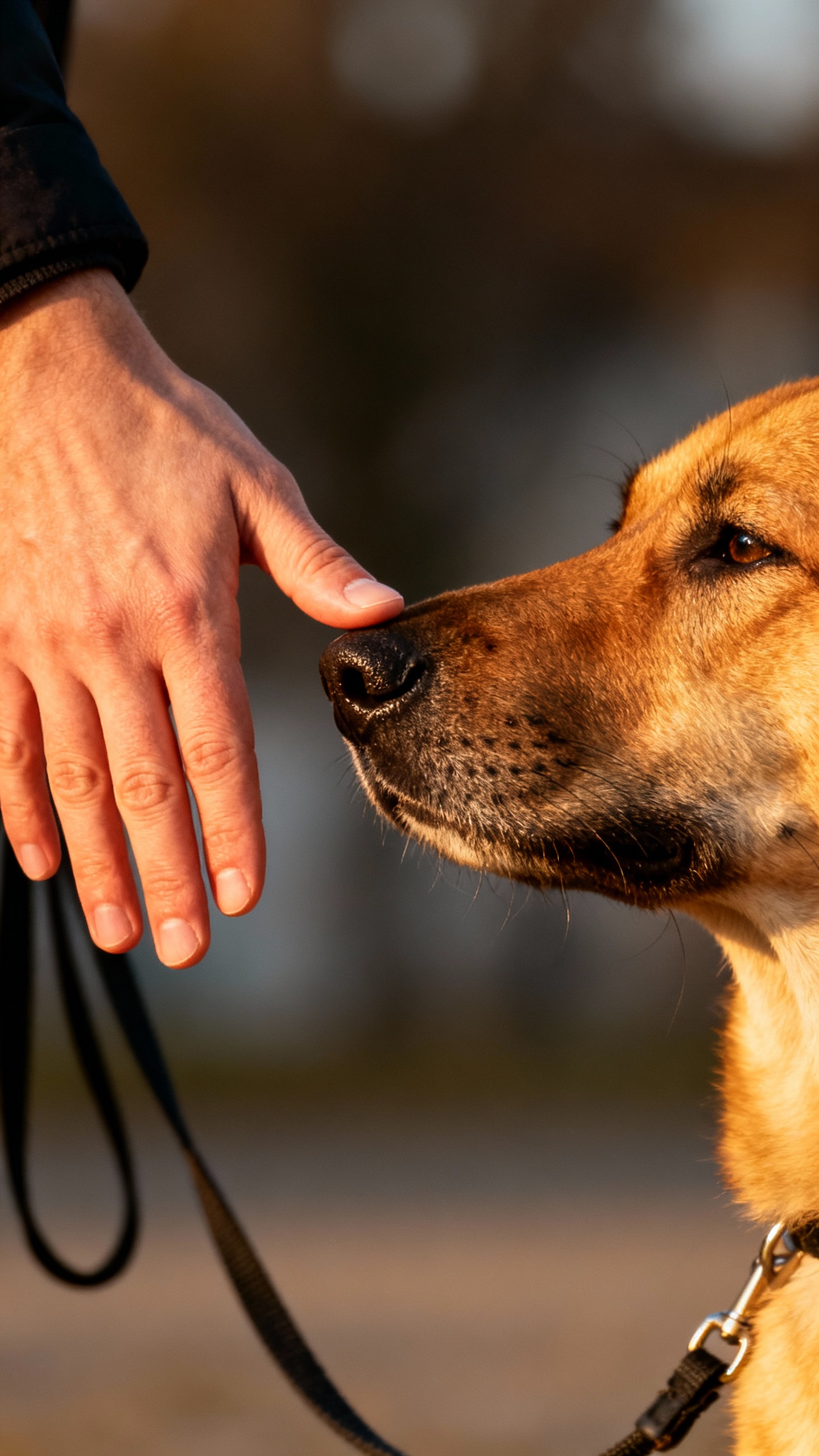
- Give your dog a job: Cue “watch me,” “touch” (nose to hand), or “find it” (treat scatter) to redirect.
Greeting Ritual That Works
- Dog sits.
- Person stands sideways, no looming, offers hand low.
- Dog sniffs, then you release: “Say hi.”
- Five to ten seconds, then: “All done!” and you step away, treat your dog.
Simple.
Controlled. Friendly.
Routine: The Backbone of a Chill, Social Dog
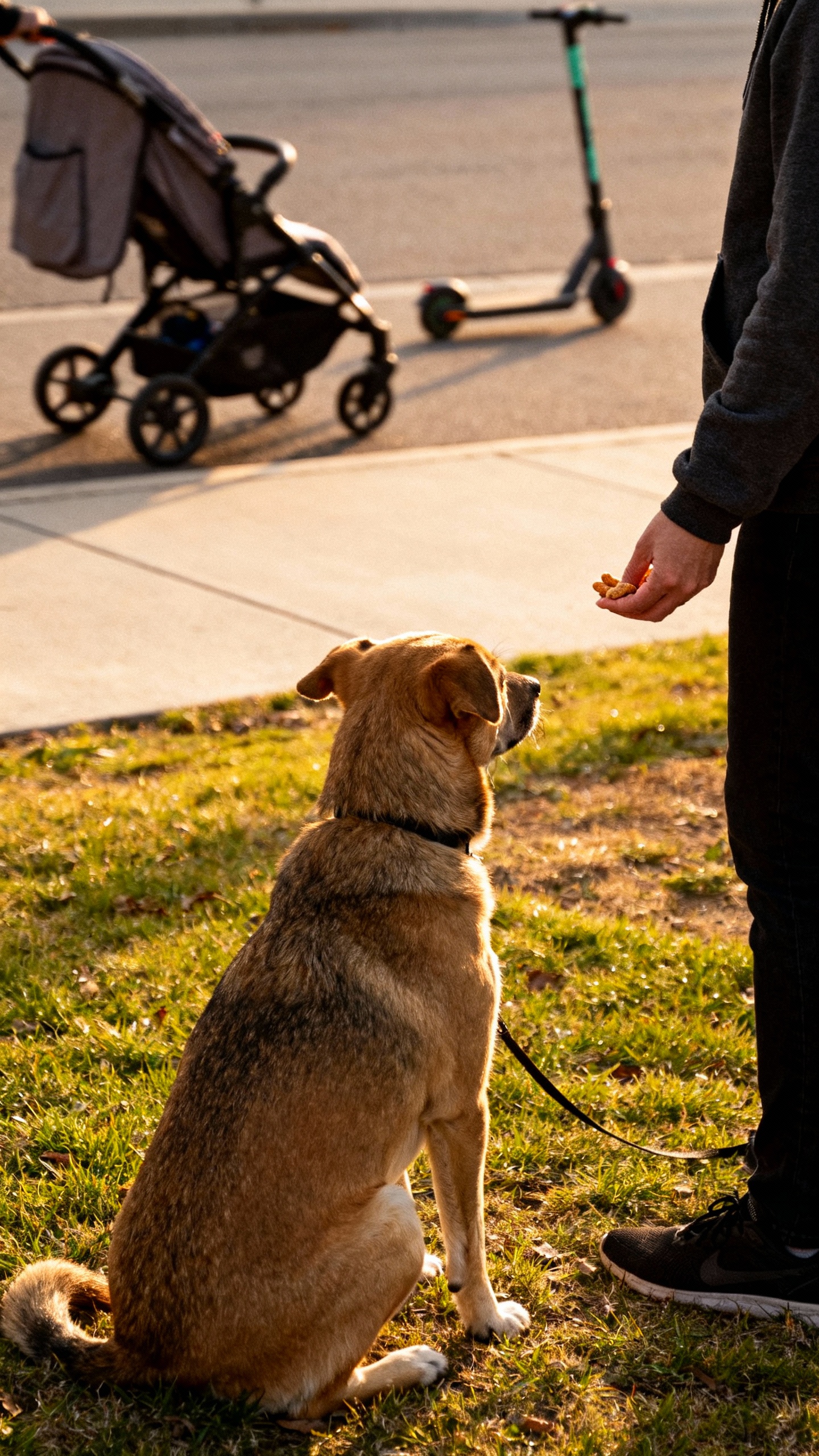
Tired dogs act friendly. Wired dogs act wild.
Meet your dog’s needs, and the people skills follow.
- Daily exercise: Mix mental and physical. Sniff walks > sprint-only chaos.
- Training minutes, not marathons: 5–10 minutes, 2–3 times a day. Keep it fun.
- Enrichment: Puzzle feeders, snuffle mats, safe chews, simple scent games.
- Calm time on cue: Teach “place” on a mat so your dog can chill at patios and visits.
Breeds and Temperament Reality Check
Any dog can learn people skills, but temperament matters.
Some breeds love strangers. Some tolerate them politely. Your job isn’t to force “social butterfly” status—it’s to build calm, safe behavior in public.
Working Through Fear or Overexcitement
Not every dog starts confident.
That’s okay. You can still raise a people-friendly companion with patience and strategy.
- Fearful dogs: Create distance. Let your dog approach on their own.
Reward for looking at people calmly, not for enduring petting.
- Overexcited dogs: Use higher-value treats, practice sit-to-greet with familiar people first, then level up. Short sessions, frequent breaks.
- Consistency beats intensity: Ten calm repetitions > one chaotic party.
When to Call a Pro
If your dog growls, snaps, or freezes around people, hire a certified trainer or behavior consultant who uses reward-based methods. Don’t punish growling—that removes the warning system.
We like warnings.
FAQ
How early should I start socializing my puppy?
Start as soon as your vet gives the green light for controlled outings, usually after initial vaccinations. You can still socialize at home before that: invite fully vaccinated, calm dogs; introduce new sounds and surfaces; and let your puppy see people from a safe distance. Early, positive exposure creates resilient adult dogs.
What if my dog jumps on people despite training?
Stop rewarding the jump—yes, eye contact and chatter count as rewards.
Ask for a sit before every greeting and enforce it with absolute consistency. If your dog launches anyway, step back, reset, and try again. Reps with cooperative friends help more than random street encounters.
Can I make my dog love everyone?
Short answer: no, and that’s fine.
Aim for a dog who behaves politely and stays comfortable around people, not a social butterfly who craves attention from strangers. Respect your dog’s preferences while maintaining good manners and safety.
Are dog parks good for socializing with people?
Dog parks socialize dogs with dogs, not humans, and they often overstimulate. If you go, keep human greetings minimal and focus on calm exits and entries.
For people skills, practice in regular public spaces with structured, brief interactions.
What treats work best for greeting practice?
Use soft, pea-sized treats that your dog loves—chicken, cheese, or commercial training treats. Reserve the top-tier stuff for tough situations (busy sidewalks, loud crowds) and keep average treats for easier reps. High value = better focus when distractions spike.
My rescue dog seems wary of men.
What should I do?
Go slow and stay predictable. Have calm men toss treats from a distance without trying to touch. Pair their presence with good stuff, keep sessions short, and let your dog choose to approach.
If discomfort persists, work with a reward-based trainer. No forced petting—ever.
Conclusion
Raising a people-friendly dog boils down to this: respect your dog’s comfort, reward calm behavior, and build exposure gradually. You don’t need a perfect dog—you need a consistent plan and a sense of humor when things go sideways.
Practice the simple stuff daily, keep greetings short and sweet, and IMO, you’ll end up with the kind of dog strangers gush over—without the chaos.
Leave a Reply