
Some dogs live for fetch marathons and trail runs. Others prefer couch marathons and the trail from bed to food bowl. If your vibe is Netflix, snacks, and snuggles, you need a canine co-pilot who won’t judge your step count.
Let’s talk about the dog breeds that practically invented chill.
What “lazy” really means in dog world
Lazy doesn’t mean boring or unhealthy. It means a dog who loves calm routines, short walks, and long naps. These pups still need mental stimulation and basic exercise, but they won’t bounce off your walls without a daily 5K.
Good news for apartment dwellers, busy folks, and, ya know, introverts.
Top 10 laziest dog breeds (and why they’re awesome)
- English Bulldog: Built for naps and snacks. Short walks, lots of snoring, and a stunning commitment to avoiding stairs. They overheat easily, so keep exercise short and sweet.
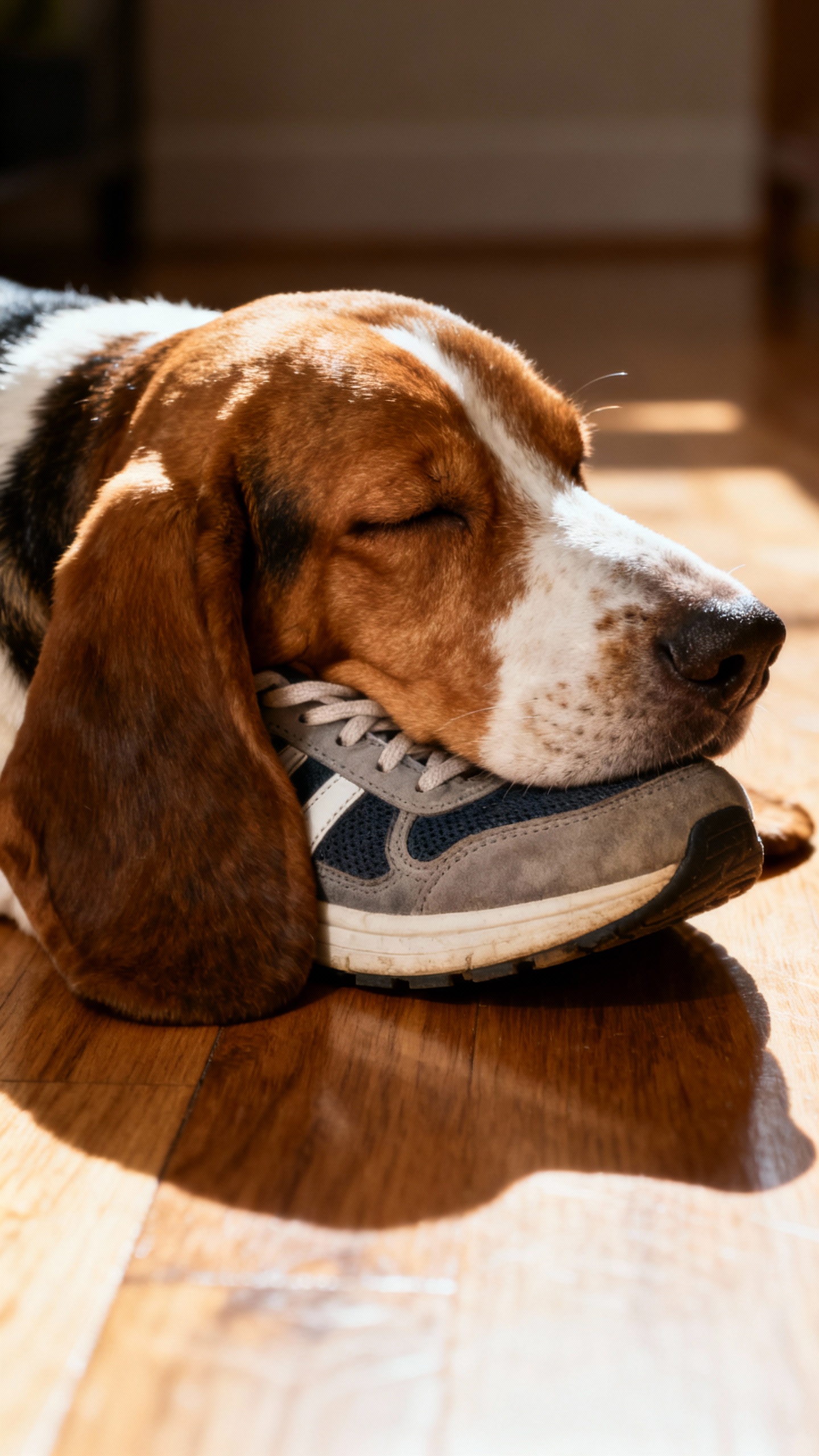
- Basset Hound: Low-slung loaf with comedy ears.
They excel at napping and stubbornness. They’ll follow a scent for a bit, then promptly pass out on your shoe.
- Saint Bernard: Giant cuddle cloud. Gentle, slow-moving, and perfectly happy with leisurely strolls.
Just watch the drool—consider it their signature merch.
- Great Dane: “Gentle giant” translates to “couch-hogging beanpole.” They need space to stretch but prefer a chill lifestyle. Short daily walks keep them happy.
- Chow Chow: Regal and aloof. They enjoy quiet homes and controlled exercise.
Think stately strolls, not zoomies.
- Shih Tzu: Lap royalty. Short legs, big personality, low energy needs. Brisk walks and plenty of grooming—then it’s nap time.
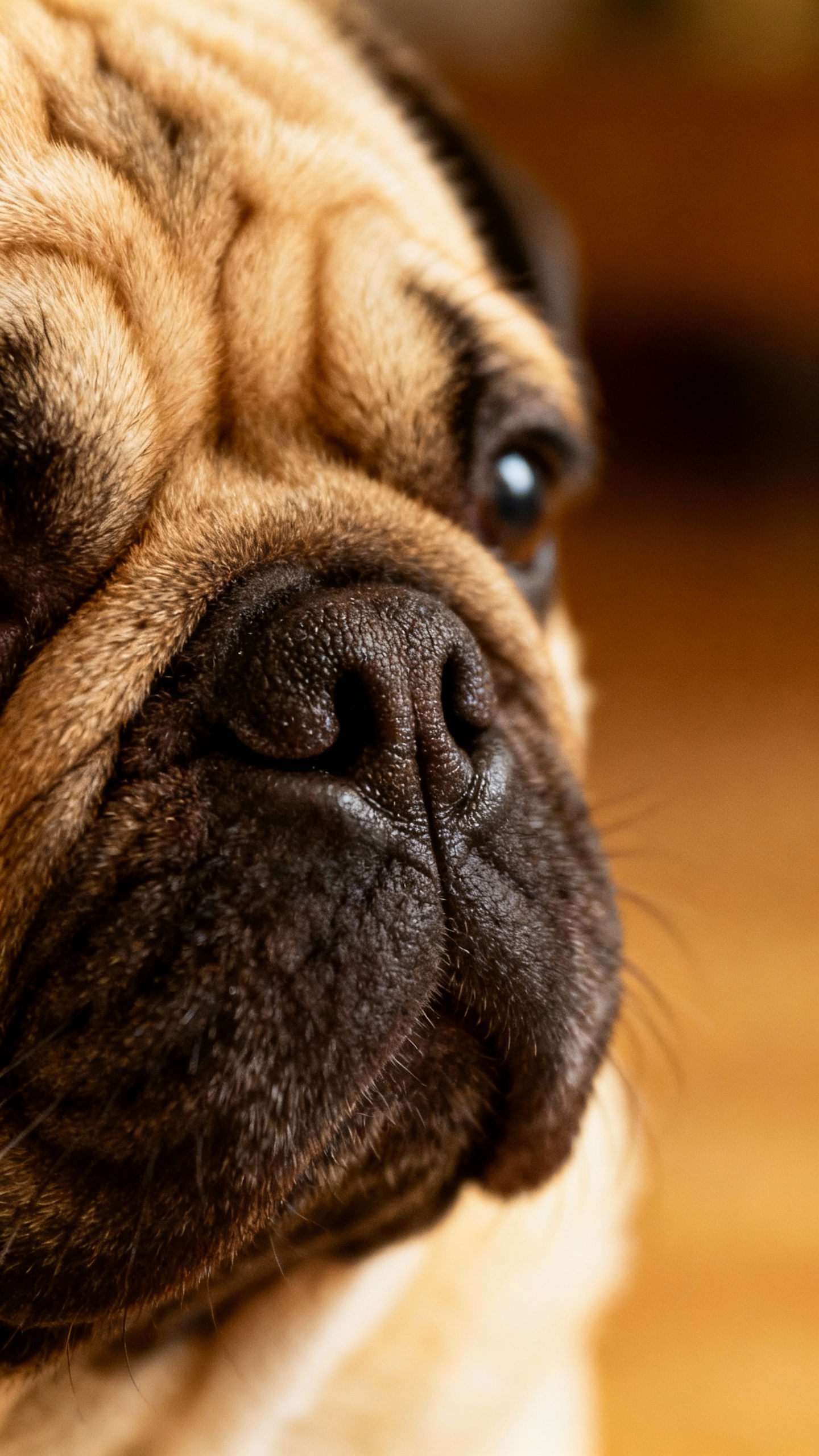
- Pug: Goofy little snort machine.
They love short play sessions and long snoozes. Heat and humidity can be tough, so keep workouts mild.
- French Bulldog: The trendsetter of laziness. Playful but low-stamina, with a strong affection for blankets.
Perfect for apartment life.
- Cavalier King Charles Spaniel: Velcro sweetheart. They adore cuddles and casual walks. Gentle demeanor makes them easy roommates.
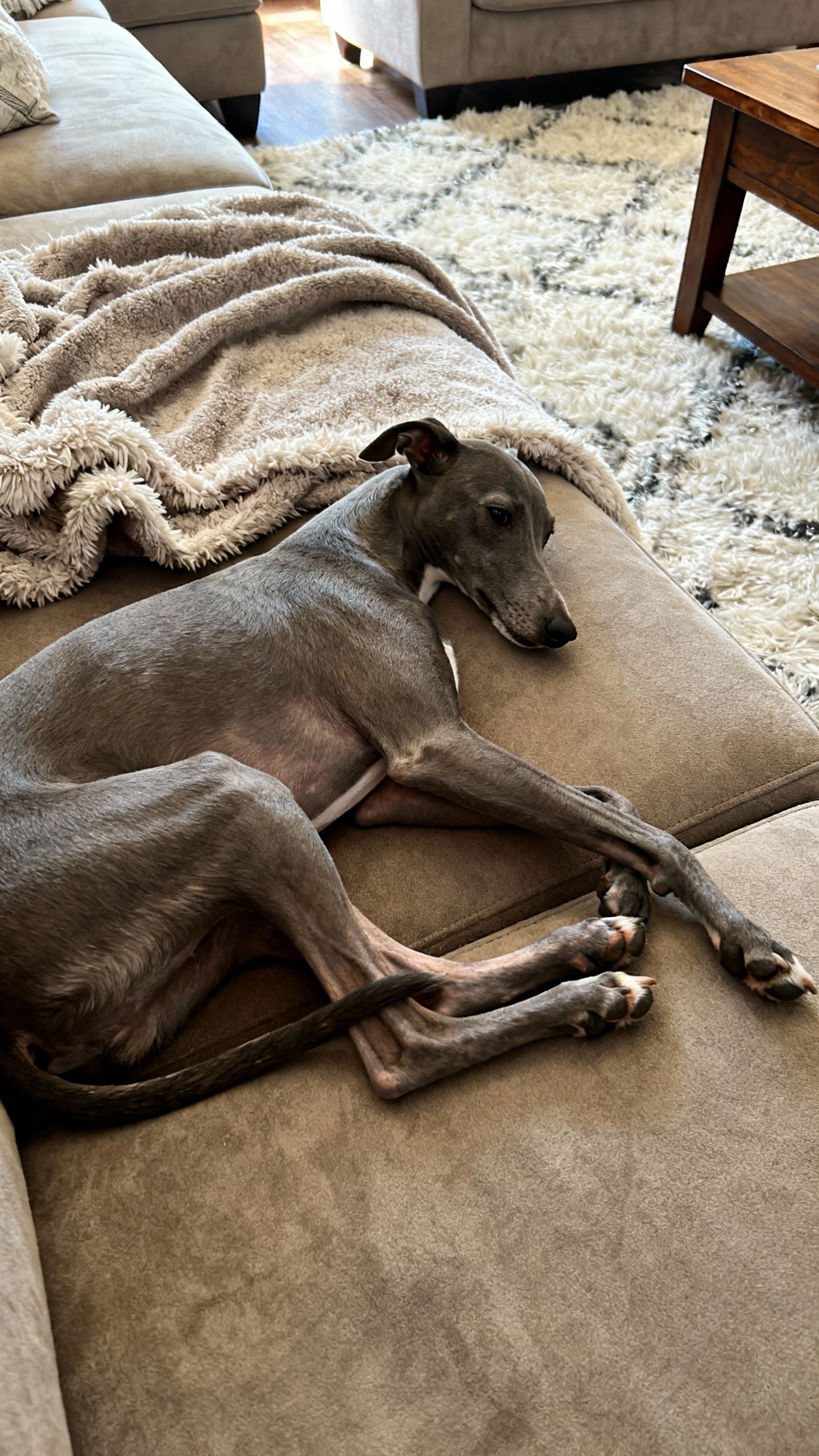
- Greyhound: Surprise!
The sprinter sleeps like a pro. They do quick bursts of speed and then morph into statues. Sofa-friendly, IMO.
Behavior traits that make these breeds “lazy”
Short-burst energy, long-burst naps
Many of these dogs don’t have the stamina for all-day activity.
They’ll give you a fun 10 minutes, then clock out like it’s Friday at 5. Greyhounds and Frenchies are classic examples—play, then poof, blanket burrito.
Calm temperaments
Breeds like Cavaliers and Saints generally prefer gentle interactions and predictable routines. They thrive with low-key families and quieter environments, which helps keep their energy levels stable and low.
Body type matters
Bulldogs, Pugs, and Frenchies have brachycephalic (short-nosed) faces, which can make high-intensity exercise uncomfortable or unsafe. Short, cool-weather walks and indoor play beat endurance anything for these guys. Bassets have heavy frames and short legs—great for moseying, not marathons.
How to keep a lazy dog healthy (without killing the vibe)
- Short, regular walks: Two to three 10–20 minute walks work better than one long slog.
- Weight management: Lazy dogs put on pounds fast.
Use portion control, high-quality food, and go easy on treats.
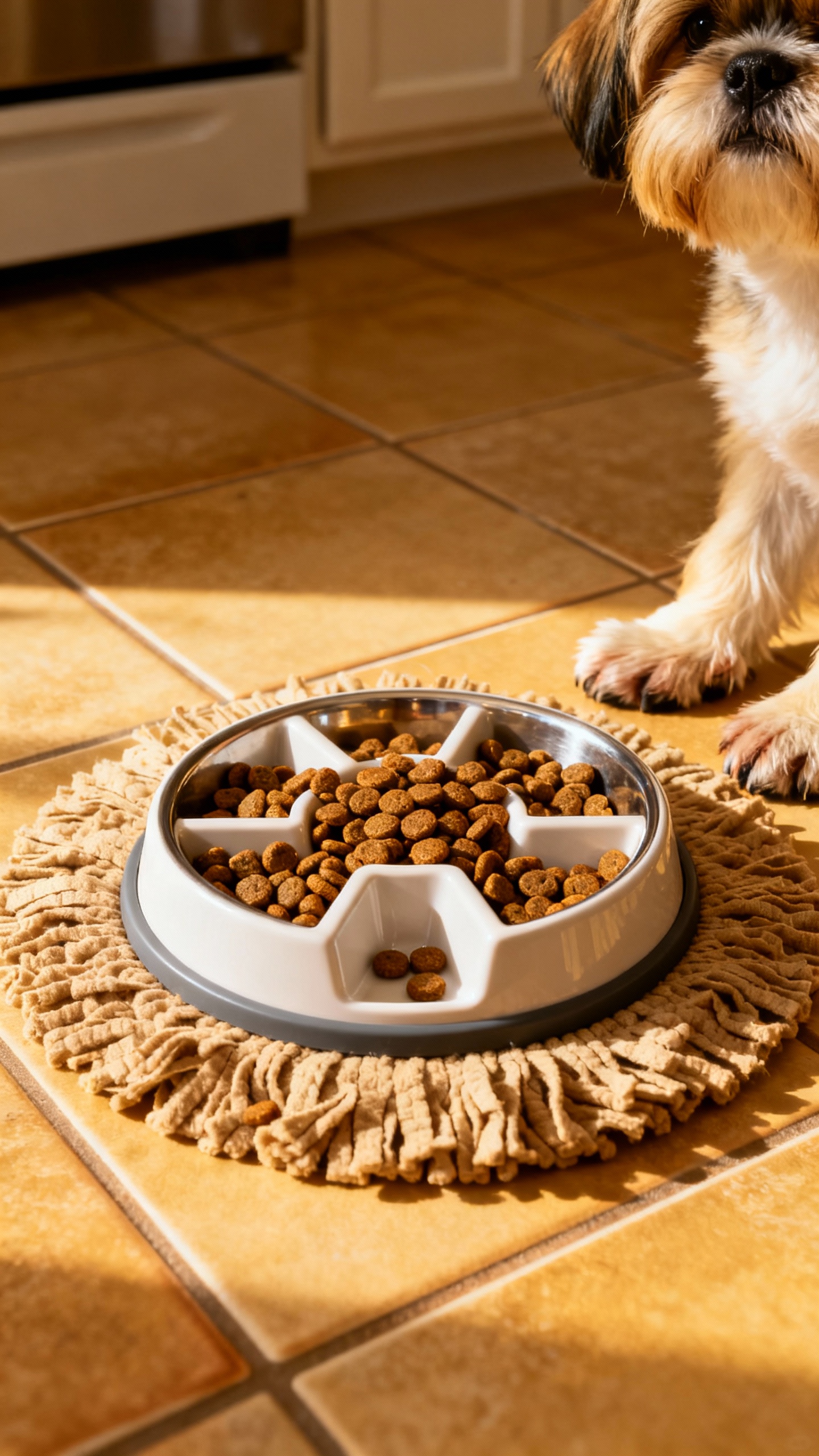
- Mental workouts: Puzzle toys, snuffle mats, simple scent games. FYI, brain work tires them out more than you think.
- Climate control: Brachy breeds and giant breeds struggle with heat. Keep exercise early or late, and always bring water.
- Joint-friendly activities: For big dogs, try grassy surfaces, ramps, and low-impact play to protect hips and elbows.
Matching your lifestyle to the right lazy breed
Best for apartments
- French Bulldog
- Pug
- Shih Tzu
- Cavalier King Charles Spaniel
They’re quiet (mostly), compact, and cool with quick potty breaks.
Best for families
- Saint Bernard
- Cavalier King Charles Spaniel
- Great Dane
Gentle giants and gentle laps.
Supervised kids only, as always.
Best for introverts who want minimal effort
- English Bulldog
- Greyhound
- Basset Hound
A few short walks and loads of chill. IMO, greyhounds are the ultimate low-maintenance surprise.
Red flags and health notes (read this before adopting)
Brachycephalic breeds
Bulldogs, Pugs, and Frenchies may snore, wheeze, or overheat easily. Hot days + heavy exercise = no. Talk to your vet about airway health, weight control, and safe activity levels.
Big breeds, big joints
Saint Bernards and Great Danes can face hip and elbow issues.
Keep them lean, choose supportive bedding, and avoid repetitive high-impact play. Short, frequent strolls beat long pounding walks.
Grooming commitments
Shih Tzu and Cavalier coats need regular brushing and pro grooming. Chows need serious upkeep too. The tradeoff for low energy?
Higher grooming calendars.
Personality quirks to know
Bassets follow their noses (translation: selective hearing). Chows can act independent. Bulldogs can be stubborn but hilarious. Training with positive reinforcement keeps everyone sane.
Daily routine for a happy couch potato
- Morning: Quick potty break, 10–15 minute walk, breakfast in a puzzle bowl.
- Midday: Snuffle mat or lick mat session, short potty break.
- Evening: Another 10–20 minute walk, light play or training (sit, stay, touch), then a cuddle coma.
- Weekly: Nail trim check, brush-out, weight check (hands-on feel, not just eyes), and a new enrichment game.
FAQ
Do lazy dogs still need daily exercise?
Yes, just less of it.
Aim for short, consistent walks and low-impact play. Movement keeps joints healthy, minds engaged, and weight under control.
Are lazy breeds good for first-time owners?
Often, yes. Cavaliers, Frenchies, and Greyhounds tend to be beginner-friendly.
Just research health needs—some require more vet care or grooming than newbies expect.
Can a lazy dog live in a small apartment?
Totally. Many of these breeds shine in apartments because they don’t need huge yards. Prioritize potty breaks, a predictable routine, and mental stimulation.
Will a lazy dog play with kids?
Most will enjoy gentle play, but energy levels vary.
Teach kids to respect rest time and avoid roughhousing. Big lazy dogs can accidentally knock small kids over, so supervise.
How do I prevent obesity in a low-energy breed?
Measure meals, limit treats, and use veggies or kibble for training rewards. Keep walks regular and add brain games.
If weight creeps up, talk to your vet early.
Are rescue greyhounds actually low energy?
Yes. Racing greyhounds retire with excellent leash manners and a deep love for sofas. They sprint for minutes, then nap for hours—peak efficiency, FYI.
The bottom line
If your ideal weekend involves coffee, a cozy throw, and someone snoring beside you, a low-energy breed might be your soulmate.
Pick the temperament and health profile that fits your life, keep routines simple, and lean into the cuddle life. You’ll get loyalty, laughs, and a built-in excuse to cancel plans—your dog needs you on the couch.
Leave a Reply