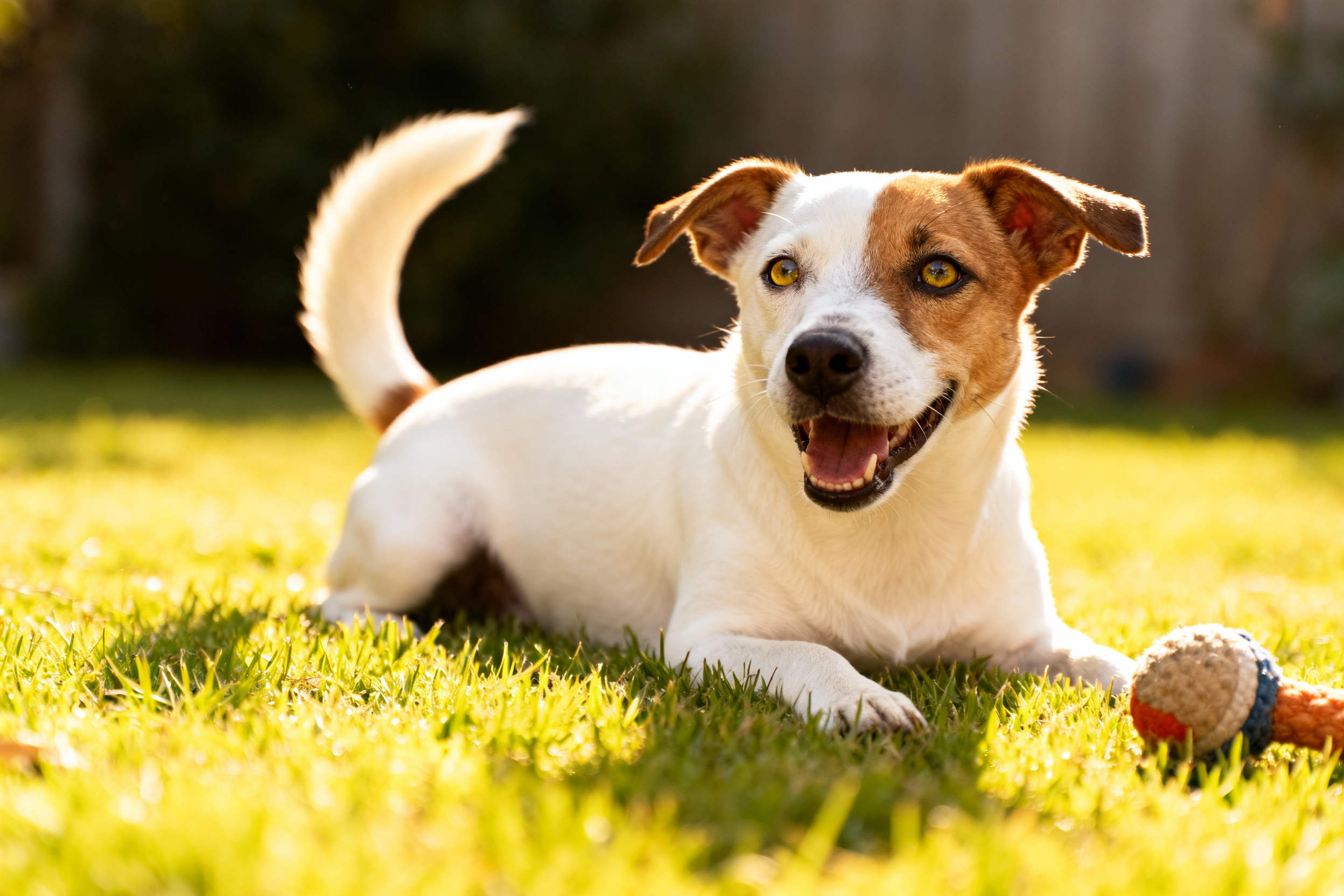
Your dog can’t text you, but they broadcast their happiness loud and clear—if you know what to watch for. Those wiggles, snorts, and zoomies? They mean something.
Let’s decode the top signs that your pup’s living their best life, so you can keep the good vibes rolling and the tail wagging.
The Happy Tail: Not All Wags Are Equal

A wagging tail screams “I’m happy!”—but the details matter. A loose, full-body wag that pulls in the hips and shoulders signals pure joy. If your dog’s tail sweeps in wide arcs or forms a little helicopter spin, you nailed it: they’re thrilled.
What If the Wag Looks Stiff?
A stiff, high tail with sharp movements can mean alertness or tension, not happiness.
Context matters. Meeting a new dog? That stiff wag might say “I’m not sure about you.” Keep it friendly and give them space.
Tuck vs.
Neutral
A tucked tail usually signals fear or discomfort. A neutral, relaxed tail shows calm contentment. Know your dog’s baseline tail position—breeds vary a ton.
Greyhounds and huskies carry tails differently, so compare changes to their normal.
Soft Eyes and Smiley Face
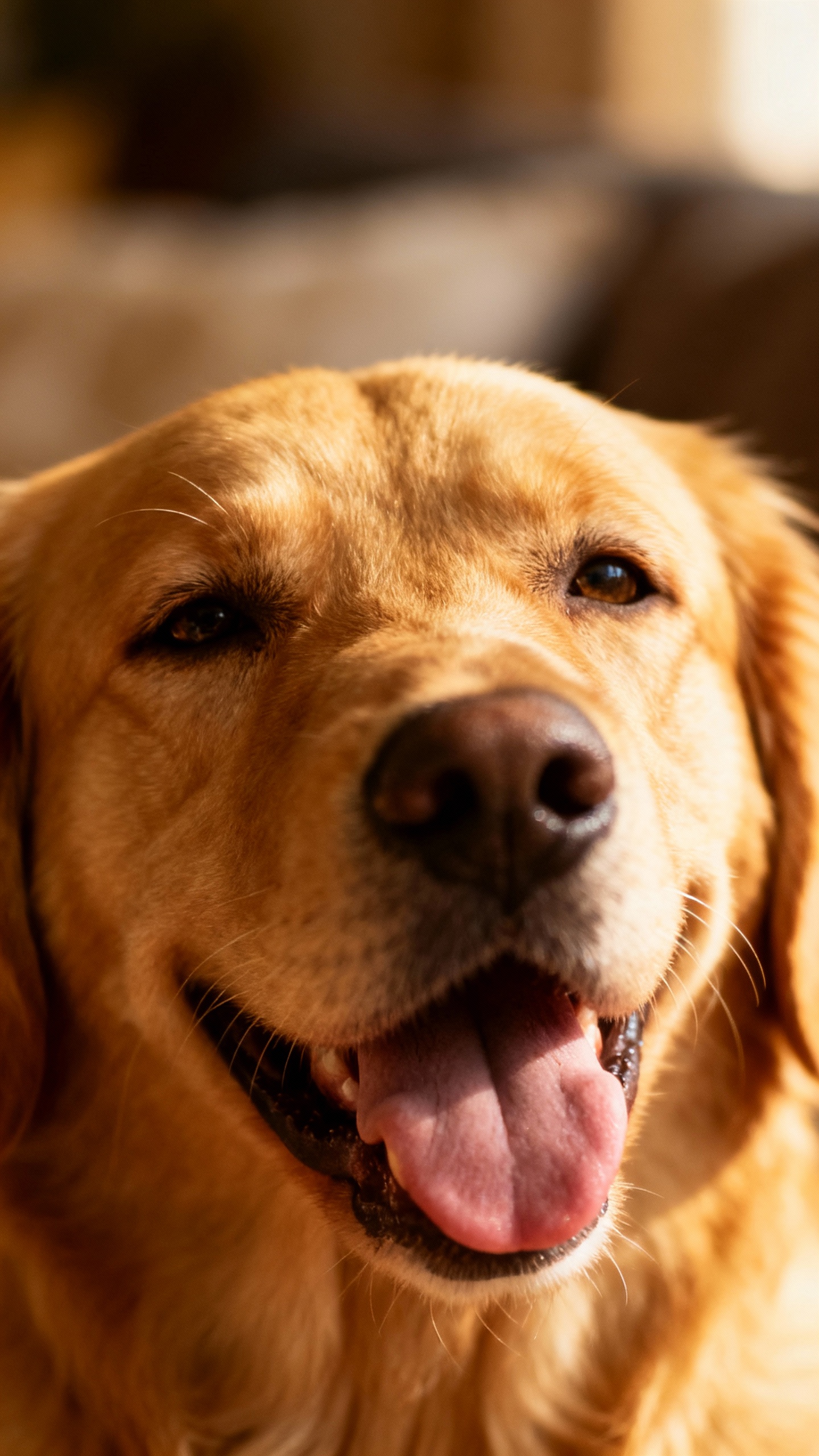
Happy dogs have a “soft” face: relaxed eyes, slightly open mouth, and smooth forehead. You might also see that adorable tongue-lolling grin. It’s the dog version of your weekend “ahhh” face.
The Blink and the Slow Look-Away
A content dog will blink slowly, squint gently, or look away in a relaxed way.
Those micro-signals show comfort and trust. Hard, unblinking stares? Not the vibe.
That signals vigilance or unease.
Check the Ears and Whiskers
Ears can be a giveaway. Ears that rest naturally—not pinned flat or pricked forward like satellite dishes—suggest relaxation. Whisker pads that look soft (not puffed) also mean calm. IMO, learning your dog’s “resting happy face” is a cheat code.
Play Bows, Zoomies, and Joyful Body Language
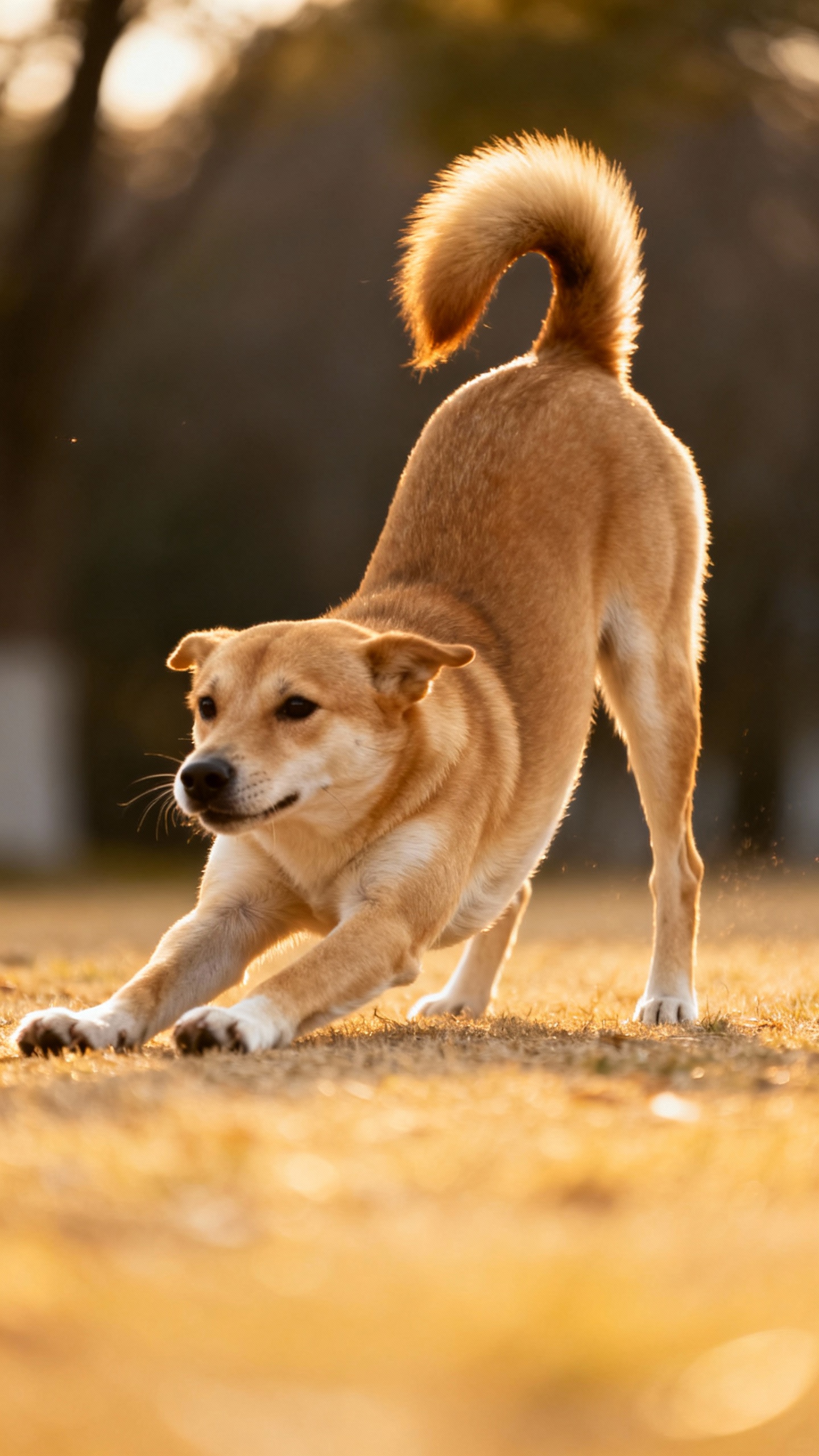
When your dog bows—front end down, butt up—they’re shouting “Let’s play!” This classic move equals happiness.
Pair that with zoomies (scientific term: FRAPs—frenetic random activity periods), and you’ve got a very happy pup.
- Wiggly body: Loose movements and wobbly hips signal comfort and joy.
- Happy spins: Quick spins near you or the door often mean excitement and anticipation.
- Floppy posture: A dog that flops on their side or rolls onto their back with loose limbs? That’s trust.
Play Style Matters
Healthy play looks balanced and bouncy. Dogs take turns chasing, pausing, and re-engaging.
If play gets tense, it loses the bounce. FYI: shake-offs—that full-body shimmy—reset arousal and often follow happy excitement.
Affection: The Lean, the Nuzzle, the Check-In
Happy dogs choose you. They lean into your leg, nuzzle your hand, or do a quick “check-in” glance during walks.
These are their “you good? I’m good” moments. It’s ridiculously sweet.
- Slow blink during petting = contentment.
- Choosing to rest near you (not just on you) = trust and comfort.
- Seeking touch, then settling = regulated and happy, not needy.
Consent-Based Affection
Offer your hand, wait a second, and let your dog approach.
If they move into you or nudge for more, they want that contact. If they turn away or lick their lips repeatedly, ease up. Respect builds even more happiness (and better cuddles).
Healthy Appetite, Good Sleep, Easy Routine
Happiness shows up in rhythms.
A dog that eats well, sleeps deeply, and manages transitions—like you leaving for work—usually feels secure.
- Regular appetite and interest in treats = good mood and low stress.
- Quality sleep (around 12–14 hours for most adults) = well-being. Puppies and seniors need more.
- Calm alone time after a short adjustment period = confidence.
Happy Sleep Positions
Dogs that snooze on their side or in a “sploot” with legs out usually feel relaxed. The “donut” curl can just mean warmth, not stress.
Snoring? Cute, but monitor for airway issues, especially in brachycephalic breeds.
Curiosity and Engagement With the World

A happy dog shows interest in life. They sniff the wind, explore new scents, and investigate sounds without getting stuck in worry.
Curiosity means their mental bucket isn’t overflowing.
- Sniffaries (slow, sniff-heavy walks) reduce stress and boost happiness.
- Choosing enrichment: puzzle toys, gentle training games, casual fetch sessions.
- Recovering quickly from a surprise (like a dropped pan) shows emotional resilience.
The Happy “Yes!” to Routine
When you grab the leash and your dog bounces to the door with a loose body and wagging tail, you’re seeing joy. Contrast that with hiding or freezing—those signal discomfort. If you spot the latter, adjust the routine and build positivity.
What Doesn’t Equal Happiness (But Often Gets Misread)
Let’s clear a few myths, IMO:
- Constant jumping can be excitement or stress.
Teach an alternate behavior, like sit, for calmer greetings.
- Lip licking, yawning, and side-eye often mean awkward or stressed, not smiling for the camera.
- Hyper-vigilance (always scanning) usually equals anxiety, not enthusiasm.
- “Smiling” with pulled-back lips can look cute but sometimes signals tension. Check the eyes and body.
How to Invite More Happiness
You can stack the deck in your dog’s favor. Small daily choices add up.
- Predictable routine: Meals, walks, and rest at roughly the same times.
- Sniff time: Let walks be about their nose, not your step count.
- Training as play: Short, positive sessions build confidence and joy.
- Body comfort: Cozy bed, weather-appropriate gear, gentle grooming.
- Social choices: Quality over quantity.
Let your dog opt in or out of dog and human interactions.
FAQ
My dog wags their tail but growls. Are they happy or upset?
Both signals matter. A wag doesn’t always equal happiness.
If the body looks stiff, ears are pinned, or the growl sounds low and steady, your dog likely feels conflicted or uncomfortable. Create space, remove pressure, and reward calm choices. Trust the growl—it’s valuable communication.
How do I tell excited from stressed?
Check the whole picture.
Happy excitement looks bouncy and loose with soft eyes and quick recovery. Stress brings tension, lip licking, yawning, tucked tail, or scanning. If you’re unsure, reduce intensity (quieter environment, more distance) and see if your dog relaxes.
Do some breeds show happiness differently?
Absolutely.
Tails, ears, and faces vary wildly. A husky might “talk” and look dramatic; a greyhound’s tail may stay low even when thrilled. Learn your dog’s baseline and watch for changes.
That relative shift tells you the truth.
Is sleeping a lot a sign of happiness or boredom?
Both can exist. Dogs sleep a ton normally. If your dog naps well but also shows curiosity on walks and enjoys play, they’re likely content.
If they seem flat, ignore toys, or refuse walks, check for boredom, pain, or health issues and chat with your vet.
What’s the fastest way to boost my dog’s mood?
Give them a sniffari. Slow down and let their nose lead for 15–20 minutes. Add a sprinkle of training games—hand touches, “find it” with tossed treats, or easy puzzle feeders.
It’s mental gold and often works faster than high-octane fetch.
My dog seems happy at home but anxious outside. Help?
Start with super-short, low-stress outings. Pair every step with treats, build distance from triggers, and keep sessions brief and positive.
Gradually increase exposure. If anxiety sticks, a certified trainer or behaviorist can tailor a plan. You’re not alone—this is common and fixable.
Wrapping It Up
Happy dogs tell us with their whole bodies: loose tails, soft eyes, playful bows, affectionate check-ins, and curious sniffing.
Read the pattern, not just one signal. Then stack their days with comfort, choice, and enrichment. Do that, and your dog won’t just look happy—they’ll feel it, every wagging, wiggly minute.
Leave a Reply