
You already speak “dog,” even if you don’t realize it. Those side-eyes, tail swooshes, and dramatic sighs? They’re full-on sentences.
Your pup constantly broadcasts feelings, needs, and opinions—sometimes louder than your texts. Let’s decode what your dog says all day and why it matters.
Tails Tell the Truth (Mostly)
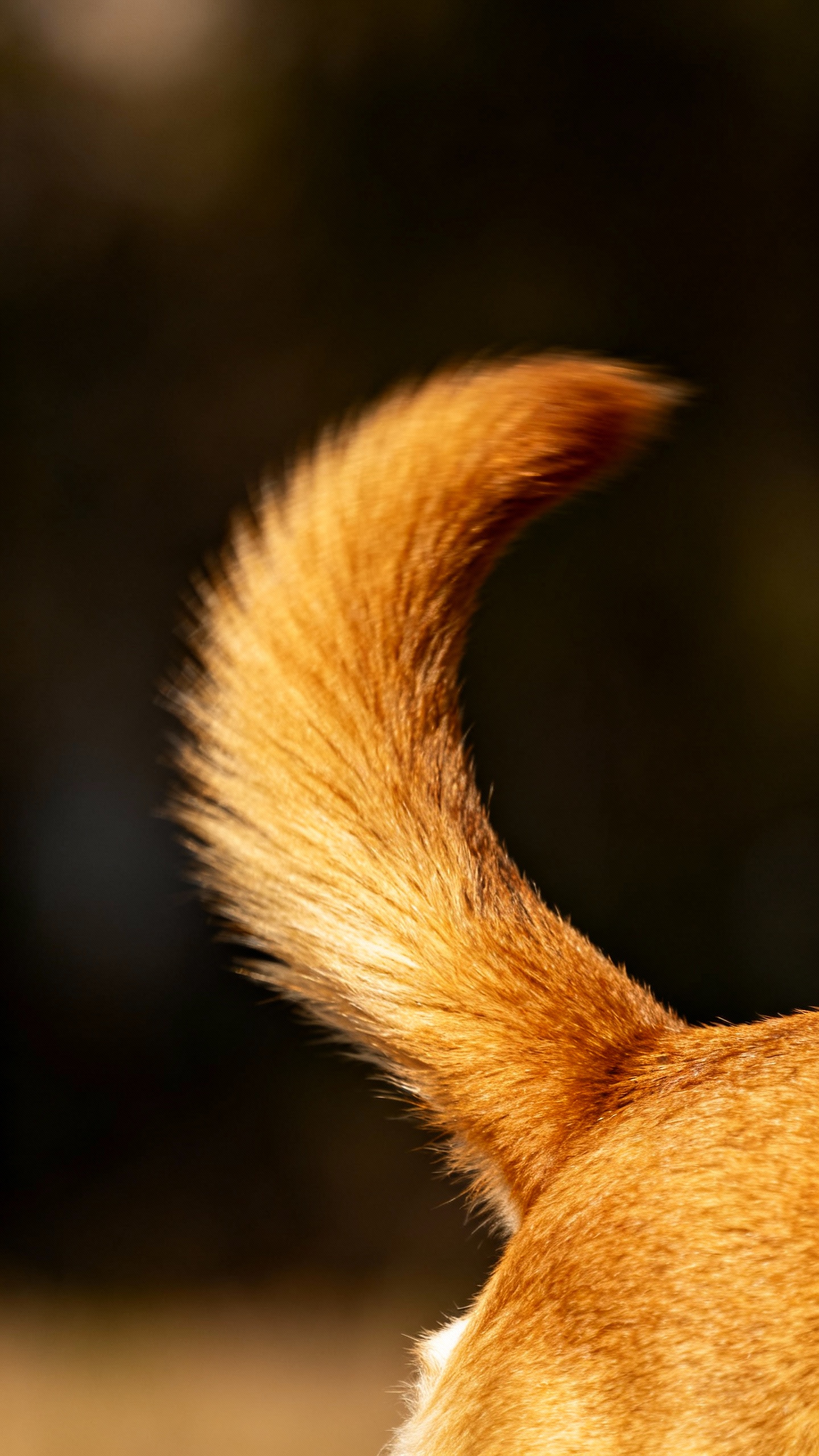
A tail works like a mood meter. Fast wagging with a loose body usually means happiness or excitement.
A slow, stiff wag can mean uncertainty, and a high, rigid tail often signals alertness or tension.
- Right vs. left wag: Research suggests wagging more to the right can indicate positive feelings, while left-leaning wags can signal stress. Tiny detail, big meaning.
- Tucked tail: Fear, anxiety, or discomfort. Time to give space and figure out the trigger.
Context beats the wag
A wag is not a universal “yes.” Watch the whole dog: eyes, ears, mouth, and posture.
A wag paired with whale eyes and a stiff stance? That’s a “nope” wrapped in a “maybe.”
Ears Are Like Antennas
Ears flip between curiosity and caution constantly. You can read them like headlines.
- Forward ears: Interest or alertness—your dog heard something suspicious, like a bag of chips opening.
- Relaxed ears: Easygoing mood.
Nothing to see here.
- Pinned back: Anxiety, fear, or appeasement. Pair that with lip-licking and you’ve got a nervous pup.
Breed matters (FYI)
Floppy-eared dogs show subtler signals. You’ll rely more on head movement, eyes, and mouth since their ears don’t “telegraph” as clearly.
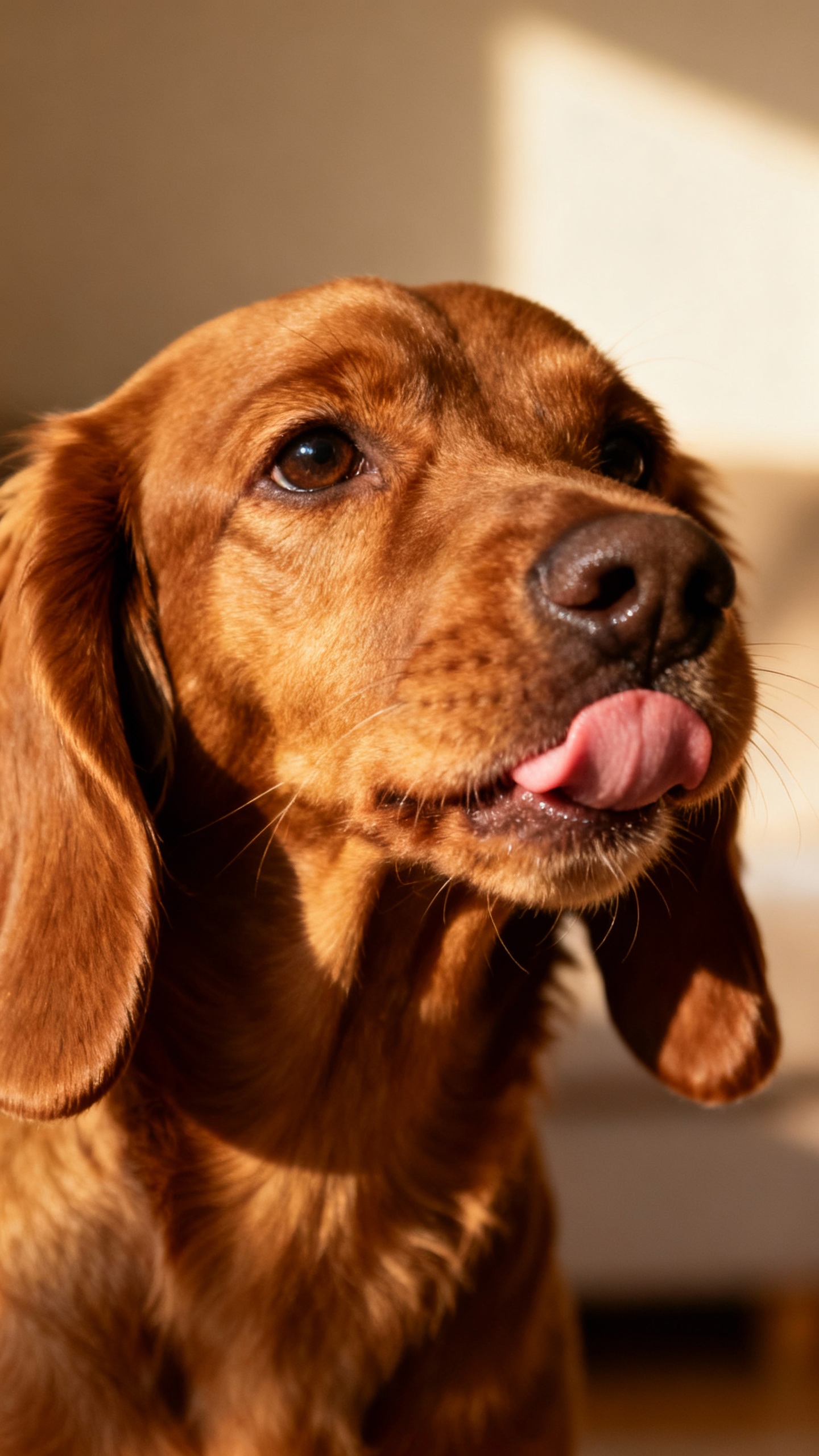
Eyes: Side-Eye, Whale Eye, and Soft Blink
Dogs use eye contact like emojis.
It’s nuanced and very intentional.
- Soft eyes and slow blinks: Calm, happy, maybe even sleepy affection. Enjoy the moment.
- Hard stare: Warning or challenge. Don’t stare back like you’re in a Western.
- Whale eye: You see the whites while the head turns away.
That’s stress—remove pressure fast.
- Avoiding eye contact: Polite dog language to defuse tension. Not guilt—just good manners.
Voices, Grumbles, and the “I’m Serious” Growl
Dogs vocalize for a reason, not to annoy you (okay, sometimes to annoy you).
- Happy bark: Higher pitch, rapid rhythm. Playtime or “someone’s at the door—LET’S GO.”
- Alarm bark: Sharper, repetitive, often with forward posture.
Your furry security system in HD.
- Whines: Frustration, anxiety, pain, or “I want that.” Check the scenario.
- Growls: A request for space. Respect it. Growling prevents bites; it’s a safety feature, not a glitch.
Teach “quiet” without silencing feelings
Reward calm.
Mark quiet moments with a treat and a cue. Don’t punish growls—acknowledge the discomfort and adjust.
Body Language: The Full Picture
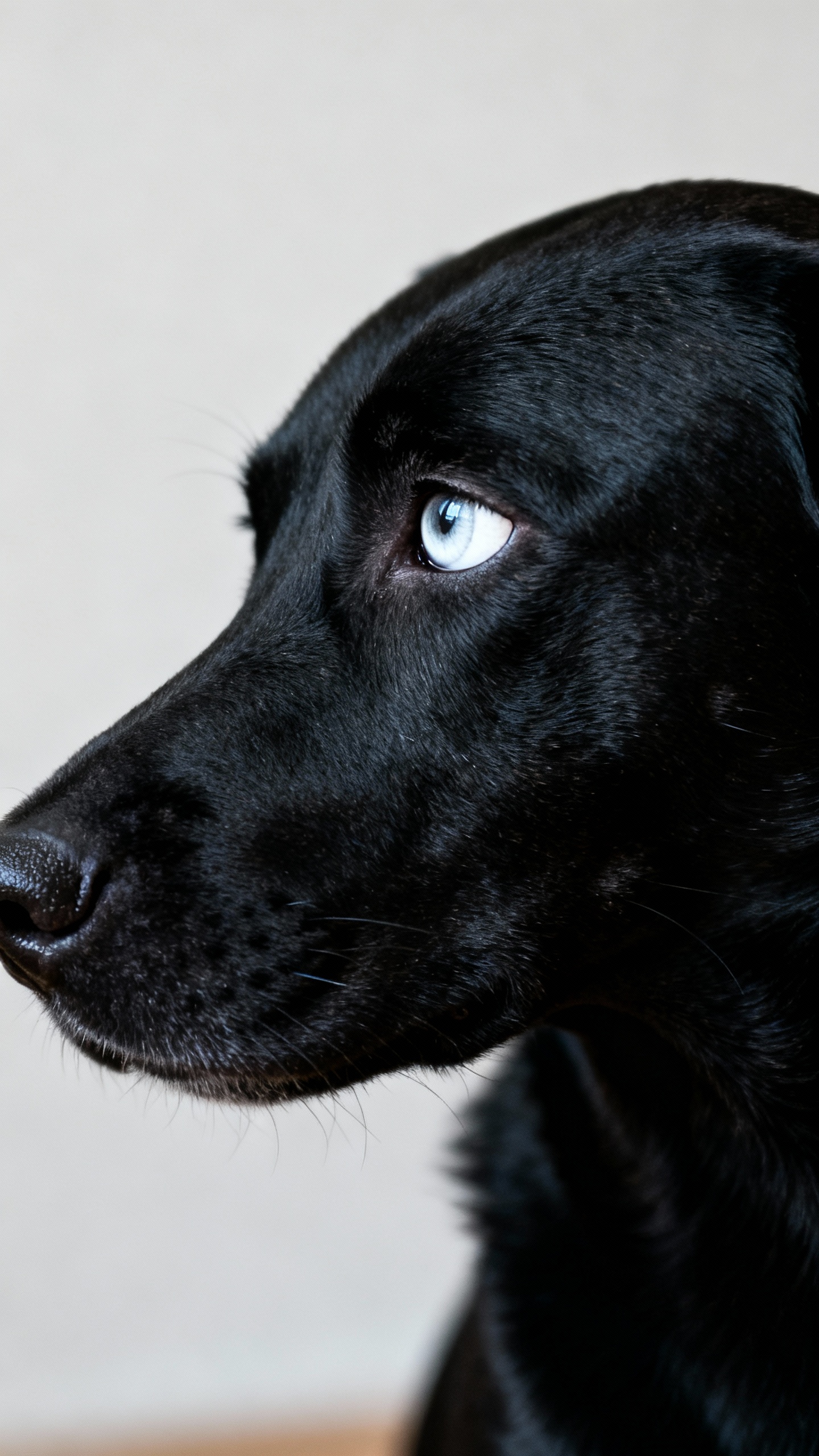
Posture explains the story behind the eyes, ears, and tail. Dogs use their whole bodies to negotiate the world.
- Loose, wiggly body: Chill, friendly, ready to hang.
- Stiff body, weight forward: Tense or defensive.
That’s your cue to slow everything down.
- Lowered posture, weight back: Worried or conflicted. Offer space and a calm tone.
- Play bow: Front down, butt up. Universal “let’s play!” Yes, the best emoji ever existed in real life.
Appeasement vs. submission
Your dog may lick, yawn, turn away, or roll partially onto their side to keep peace.
It’s not “being guilty.” It’s diplomacy.
Facial Expressions and Mouth Messages
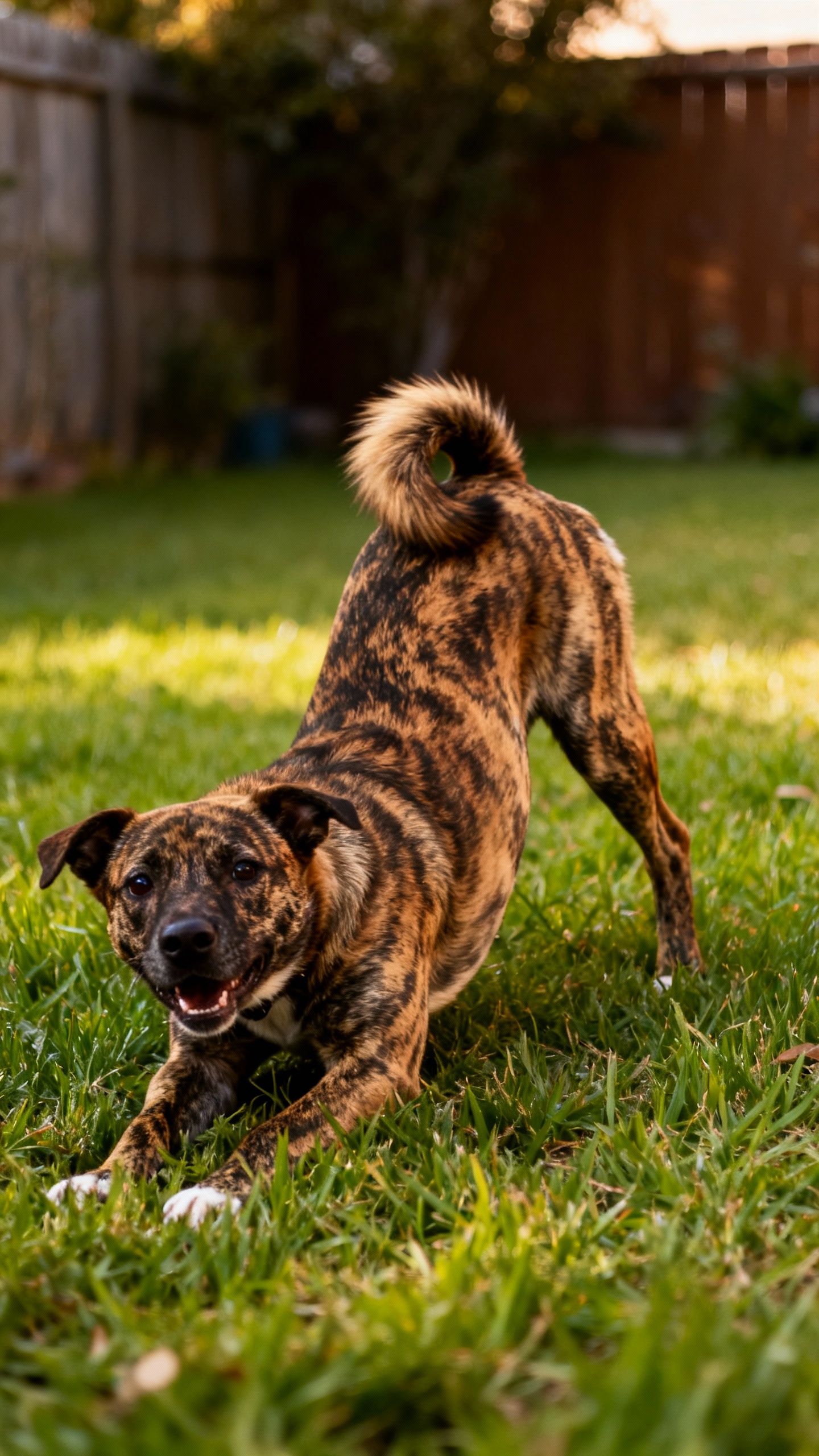
Mouths speak volumes—without words, obviously.
- Open mouth, relaxed tongue: Comfortable. Often seen on walks and during play.
- Lip licking, yawning (out of context): Stress signals, not sleepiness. IMO, these are the most misunderstood.
- Closed, tight mouth: Tension building.
Look for the trigger now, not later.
- Teeth showing—corners pulled back: Fear grimace or “please back off.”
- Teeth showing—front lifted, stiff body: Offensive warning. Big deal. De-escalate immediately.
Nose Work and Scent Signals
Dogs collect data with their noses the way we doomscroll.
Sniffing doesn’t just mean distraction—it’s communication and self-regulation.
- Sniffing the ground: Processing the environment, calming themselves, or avoiding pressure.
- Sniffing another dog’s rear: It’s how they exchange profiles. Weird to us, LinkedIn to them.
- Marking: Leaving messages, claiming space, or replying to the neighborhood gossip.
Let them sniff (FYI)
Sniff walks drain mental energy and improve confidence. Build in “sniff breaks” instead of rushing.
Your dog will thank you with fewer zoomies at midnight.
Paw Pats, Lean-Ins, and Full-Body Contact
Touch means connection, but it also sends signals about needs.
- Pawing or nudging: Attention-seeking, reassurance, or “you stopped petting me and that’s unacceptable.”
- Leaning: Affection or grounding themselves if they feel unsure. It’s sweet—and informative.
- Jumping up: Excitement or lack of impulse control. Teach an alternate behavior like sit for greetings.
When contact equals consent
If your dog melts into you and stays, they want more.
If they move away or turn their head, take the hint. Consent-based petting makes trust skyrocket.
Routines, Rituals, and “You Forgot My Dinner”
Dogs live by patterns. They use routines to communicate expectations and to feel safe.
- Waiting at the door: “Walk time, right?”
- Staring at the treat jar: Bold strategy.
Often effective.
- Circling before bed: Comfort ritual, not weirdness.
- Blocking the path: Some dogs herd naturally. Others just… have opinions.
Read the ritual, not just the clock
Sudden changes in behavior around routines can flag pain, anxiety, or boredom. If your couch potato stops jumping up for walks, call the vet.
Play Language: Zoomies, Barks, and Quit Signals
Play looks chaotic, but dogs follow rules.
Good play balances give-and-take and includes pauses.
- Role reversals: Big dog lets small dog “win.” Green flag.
- Pauses and shake-offs: Reset signals that say “I’m good, you good?”
- High arousal without breaks: Time for a timeout and some sniffing.
Red flags during play
Pinned dog without escape routes, hard stares, or one-sided body slams mean things went from fun to “no thanks.” Advocate and split them up calmly.
FAQ
Is a wagging tail always friendly?
Nope. A wag says “emotion happening,” not “I’m nice.” Look at speed, height, and the rest of the body. A loose wag with soft eyes usually means friendly, while a high, stiff wag with tension says “back off.”
Why does my dog yawn when I pet them?
If your dog didn’t just wake up, that yawn probably signals stress or overstimulation.
Try slower strokes, different spots, or shorter sessions. If they move away, give space—consent matters.
What does it mean when my dog leans on me?
Often it’s affection or reassurance-seeking. Some dogs also lean because it feels grounding in busy environments.
If the lean pairs with a tucked tail or lip licking, your dog likely needs comfort, not hype.
Should I correct my dog for growling?
Please don’t. Growling communicates discomfort and prevents bites. Thank your dog (quietly), create space, and address the trigger.
Silencing the growl removes your early warning system.
Why does my dog sniff forever on walks?
Sniffing gathers info and lowers stress. Build in sniff breaks and use a “let’s go” cue to transition. IMO, sniff time makes for happier, more relaxed dogs.
How can I tell if my dog actually wants to be petted?
Offer your hand, then pause.
If your dog moves closer or re-engages after you stop, that’s a yes. If they turn away, lick lips, or freeze, that’s a no. Respect the answer and you’ll build trust fast.
Conclusion
Your dog talks all day with tails, eyes, ears, and tiny rituals you barely notice.
When you read those signals, you prevent misunderstandings and build real trust. Start small: watch the whole body, honor the growl, and give more sniff time. The more you listen, the louder your bond gets—no translator app required.
Leave a Reply