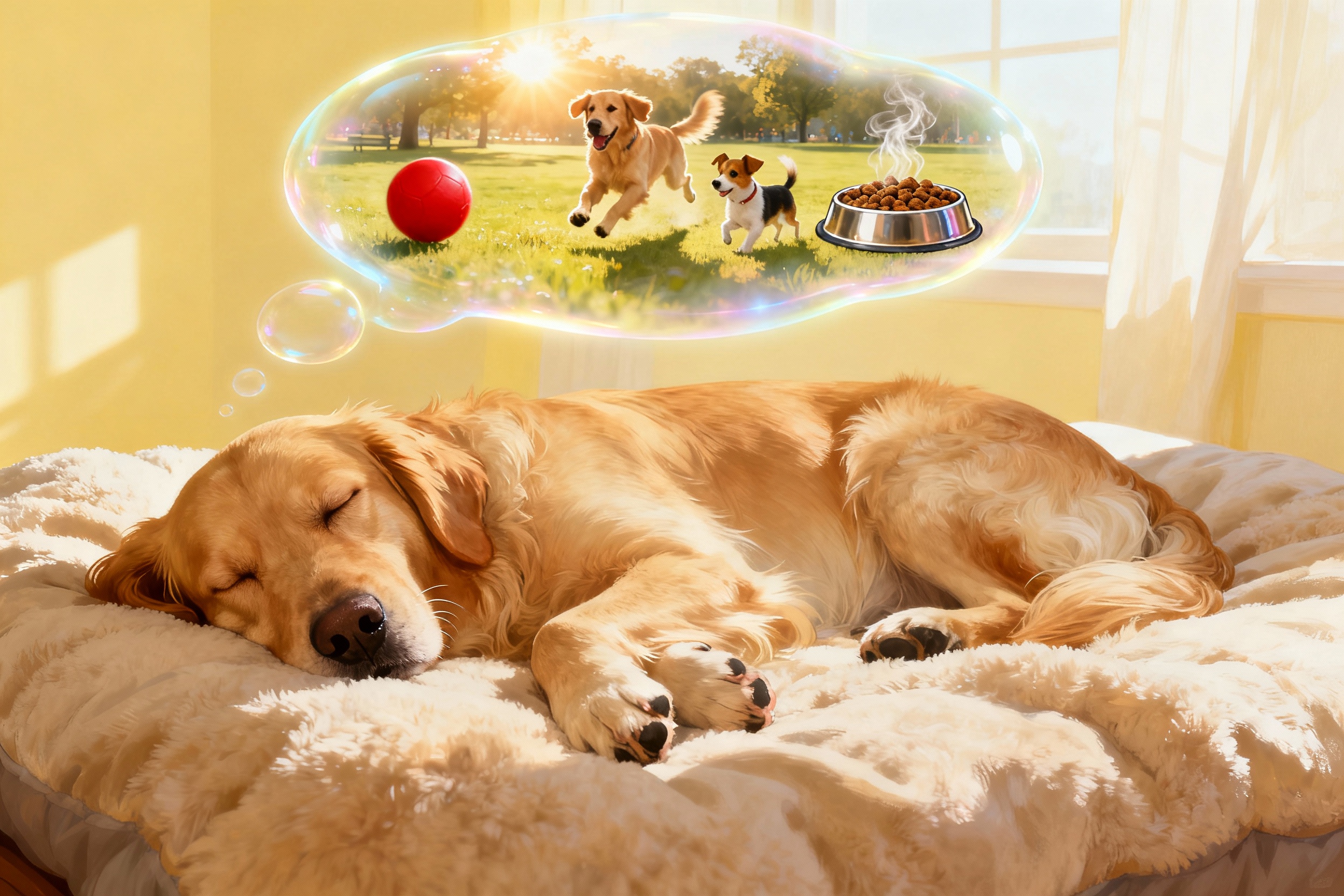
Your dog twitches, paws paddling the air, and lets out a tiny “boof” in their sleep. Cute? Absolutely.
But what’s going on in that furry head? Dogs dream—science backs it up—and those midnight wiggles tell a surprisingly rich story. Let’s peek behind the eyelids and figure out what plays on your pup’s internal movie screen.
Do Dogs Actually Dream?
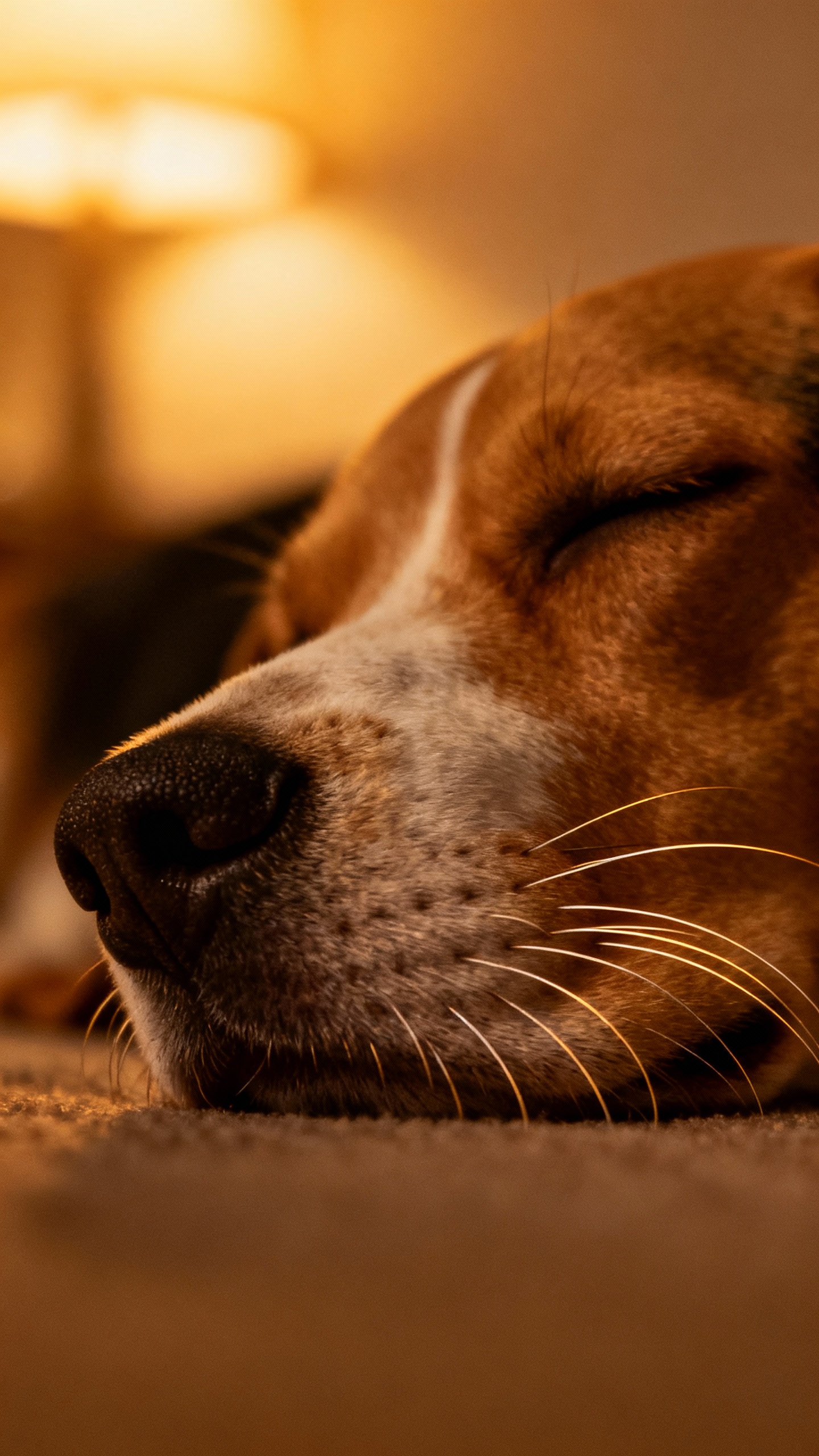
Yes.
And not just a little. Researchers have observed that dogs cycle through sleep stages just like humans, including REM sleep—the phase where most dreaming happens. During REM, your dog’s brain shows patterns similar to when they’re awake and active.
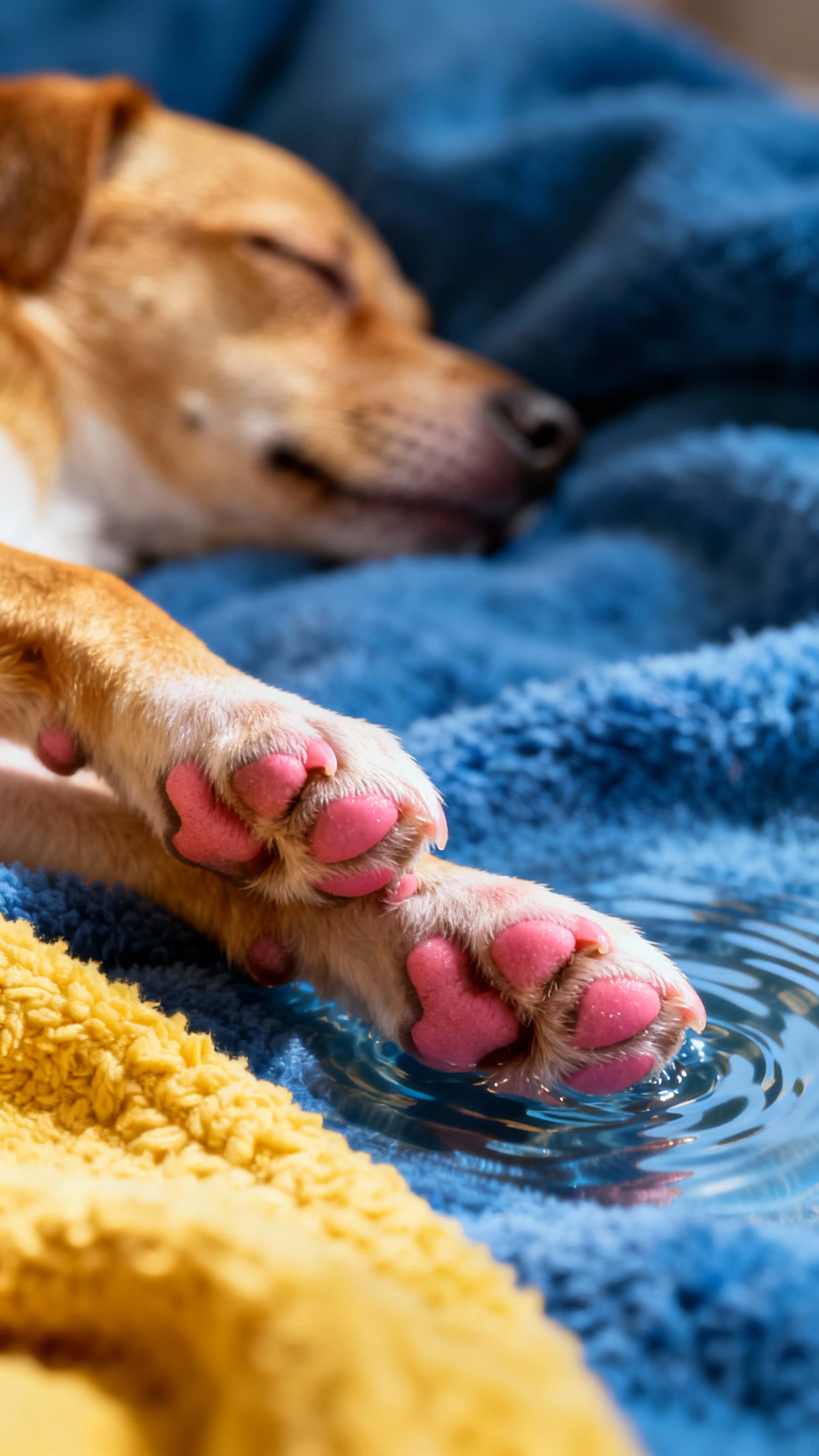
You’ll notice signs: twitching whiskers, flicking paws, tail thumps, and soft barks. That’s normal. REM sleep in dogs usually starts about 20 minutes after they nod off and can last for a few minutes. Small dogs dream more often with shorter dreams; larger dogs dream less often but for longer stretches.
Kind of like short TikToks vs. long YouTube videos.
So… What Are They Dreaming About?
The boring answer: daily life. The fun answer: squirrel-chasing epics and snack heists.
Studies suggest dogs replay routine experiences in their dreams, just like we do. They process the day’s events and file them away. Common dream themes likely include:
- Chasing or running (squirrels, balls, their own shadow—no judgment)
- Playing with favorite humans or dog friends
- Exploring familiar routes or the backyard
- Practicing learned behaviors like sit, stay, or “ignore that sandwich!”
- Responding to sounds—doorbells, squeakers, fridge openings
Do they dream in color? Dogs see fewer colors than humans, but they still perceive blues and yellows.
So, IMO, their dreams probably come with a blue-yellow palette. Stylish.
The Science Behind Doggy Dreaming
Let’s nerd out briefly. Dogs have similar brain structures to humans, including a hippocampus (memory) and neocortex (thinking and processing).
During REM sleep, these systems “replay” patterns from earlier in the day. That’s memory consolidation.
REM vs. Non-REM: The Basics
- Non-REM (deep sleep): Body repair, growth, and general maintenance.
Minimal movement.
- REM (dream sleep): Brain fires up, muscles mostly relax, and the dream reel runs.
Puppies get a lot of REM sleep. Their brains need extra time to sort all the new stuff—house rules, sounds, the fact that ceiling fans are suspicious. Older dogs also dream, but their cycles slow down a bit.
Breed and Size Differences
Small breeds tend to have more frequent, shorter dreams.
Large breeds have fewer, longer dreams. So your Chihuahua might run a whole season of “Chase Chronicles” in a night, while your Great Dane goes full-length blockbuster.
Can Dogs Have Nightmares?
Unfortunately, yes. If your dog whimpers, growls, or looks distressed in sleep, they might be reliving something stressful.
That could be a vet visit, a thunderstorm, or a scary encounter at the park. What should you do? Usually, let them ride it out. Waking a dog suddenly can startle them. If you must wake them, use your voice from a short distance instead of touching them.
Keep it calm and gentle: “Hey buddy, you’re ok.”
When Nightmares Might Signal a Problem
If nightmares happen often and your dog wakes anxious, consider:
- Pain or discomfort: Arthritis or injuries can trigger restless sleep.
- Stress or anxiety: Changes in routine, separation anxiety, loud noises.
- Sleep disorders: Rare, but possible—talk to your vet.
IMO, consistent enrichment and a predictable routine can reduce bad dreams. A tired, happy dog sleeps better—same as us after a long hike and a pizza.
How To Spot a Dream vs. A Medical Issue
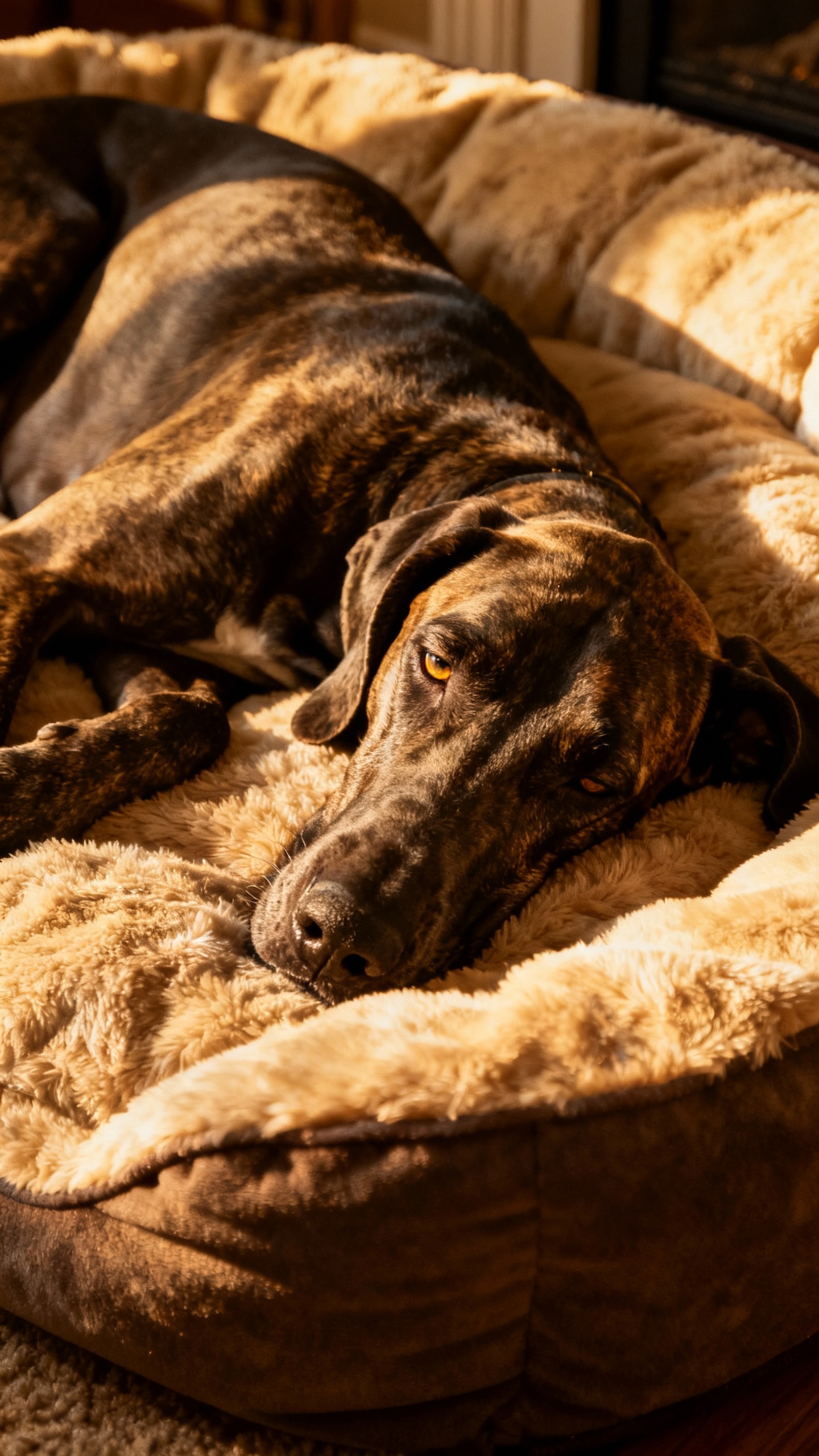
A dream looks cute.
A seizure does not. Important difference. Dream signs:
- Gentle twitching and paddling
- Soft vocalizations
- Normal breathing with brief changes
- Easy to rouse if needed
Seizure signs:
- Stiff, rigid movements
- Heavy drooling, chomping, or uncontrolled urination
- No response to name or touch
- Confusion or disorientation after waking
If you suspect a seizure, call your vet. FYI, you can record a short video to help them evaluate what happened.
Can You Influence Your Dog’s Dreams?
Not directly, but you can stack the deck for happy ones.
Dogs process their day during sleep. So, give them good stuff to process. Dream-friendly routines:
- Exercise: Daily walks and playtime. A tired dog sleeps deeper.
- Training: Short, positive sessions reinforce good memories.
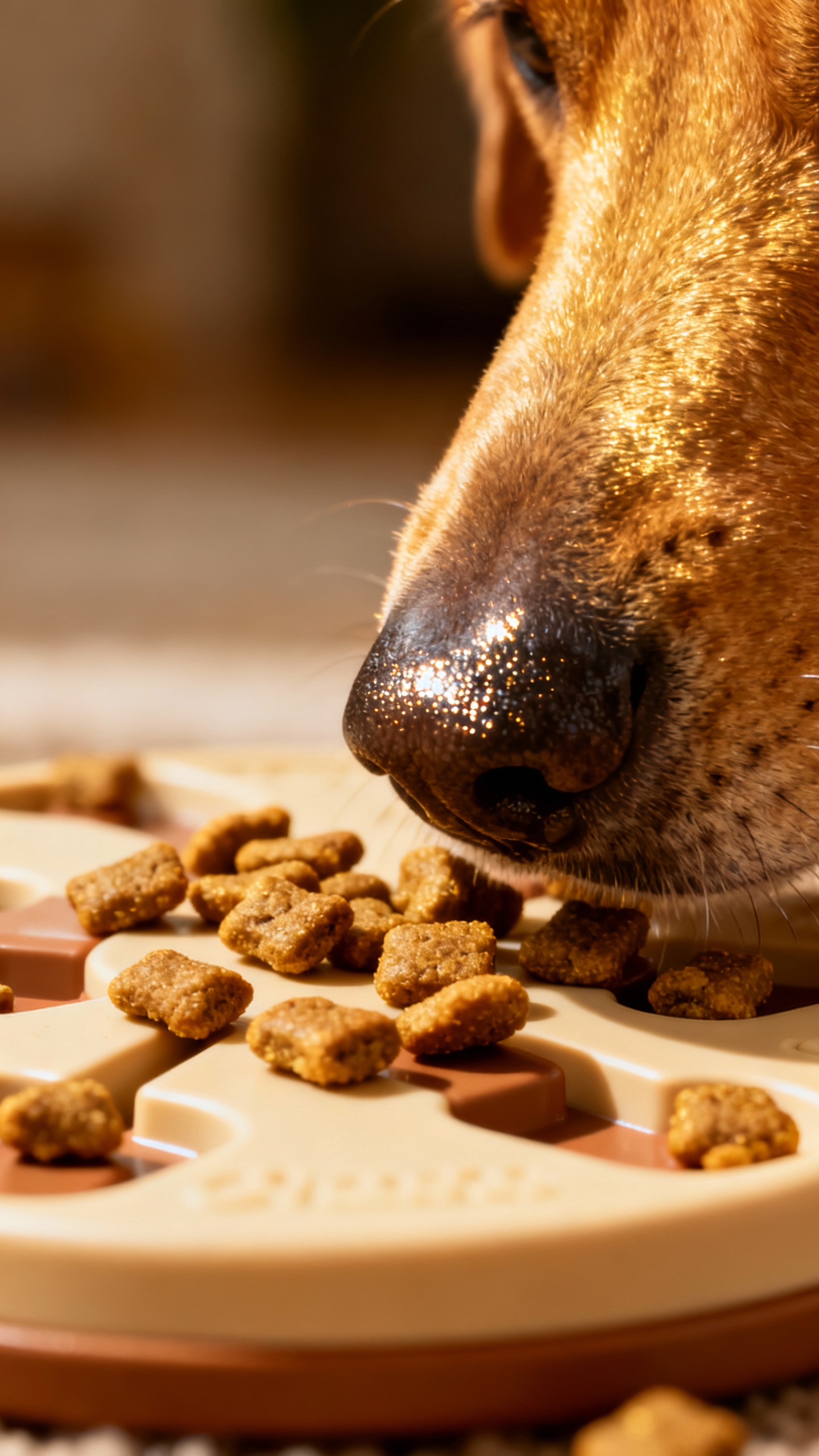
- Enrichment: Puzzle toys, scent games, new routes.
Let them “read the news” with their nose.
- Comfort: A cozy bed in a quiet, dark spot. Consider white noise during storms.
- Security: Keep bedtime predictable—same time, same place.
The Bedtime Snack Debate
A light snack can help some dogs relax, especially anxious ones. Keep it small and vet-approved.
No big meals right before bed—no one sleeps well with a burrito baby.
Do Dogs Dream About Us?
I’m biased, but probably yes. Dogs attach deeply to their humans, and their brains replay significant relationships during REM. That means your voice, your walks, your weird baby talk—it all shows up.
Anecdotally, many owners notice “happy dreams” after special days: beach trips, reunions, long hikes. Emotional memories stick, and sleep helps cement them. You’re the main character in your dog’s life. You probably cameo in their dreams, too.
FAQ
How often do dogs dream each night?
Most dogs enter REM sleep multiple times.
Small dogs may dream every 10-15 minutes; larger dogs space it out more. The exact number varies with age, activity, and overall health.
Is it okay to wake my dog from a dream?
If they look comfortable, let them snooze. If they seem distressed, wake them gently with your voice.
Avoid sudden touches, since startled dogs might react defensively.
Why does my dog “run” in their sleep?
That paddling motion mirrors the motor patterns of running or chasing. During REM, the brain sends “run” signals, but the body usually stays mostly relaxed. A few twitches sneak through—hence the adorable air sprints.
Do older dogs dream less?
They still dream, but their sleep patterns can shift.
Senior dogs may nap more and take longer to reach deep REM. Pain management and comfy bedding help them rest better, which can improve dream quality, FYI.
Can trauma affect a dog’s dreams?
Yes. Dogs with stressful histories may experience more nightmares.
Consistent routines, gentle training, and positive associations can reduce bad dreams over time. Consult a vet or behaviorist if it persists.
Wrapping It Up
Dogs dream. They dream about the stuff that matters to them—chases, snacks, smells, and the people they love.
You can’t script their dreams, but you can set the stage with exercise, training, and a calm bedtime routine. And if your dog kicks through a dream marathon tonight? Let them run.
In their head, they’re catching the squirrel this time. IMO, they deserve the win.
Leave a Reply