
You stand up to grab a snack, and boom—your dog slides into your warm seat like it pays rent. The nerve, right? But before you file a complaint with the couch authority, there’s more going on than simple mischief.
Dogs steal your spot for reasons that are equal parts sweet, strategic, and a little sassy.
The Warmth Factor: Your Seat Is a Toasty Throne
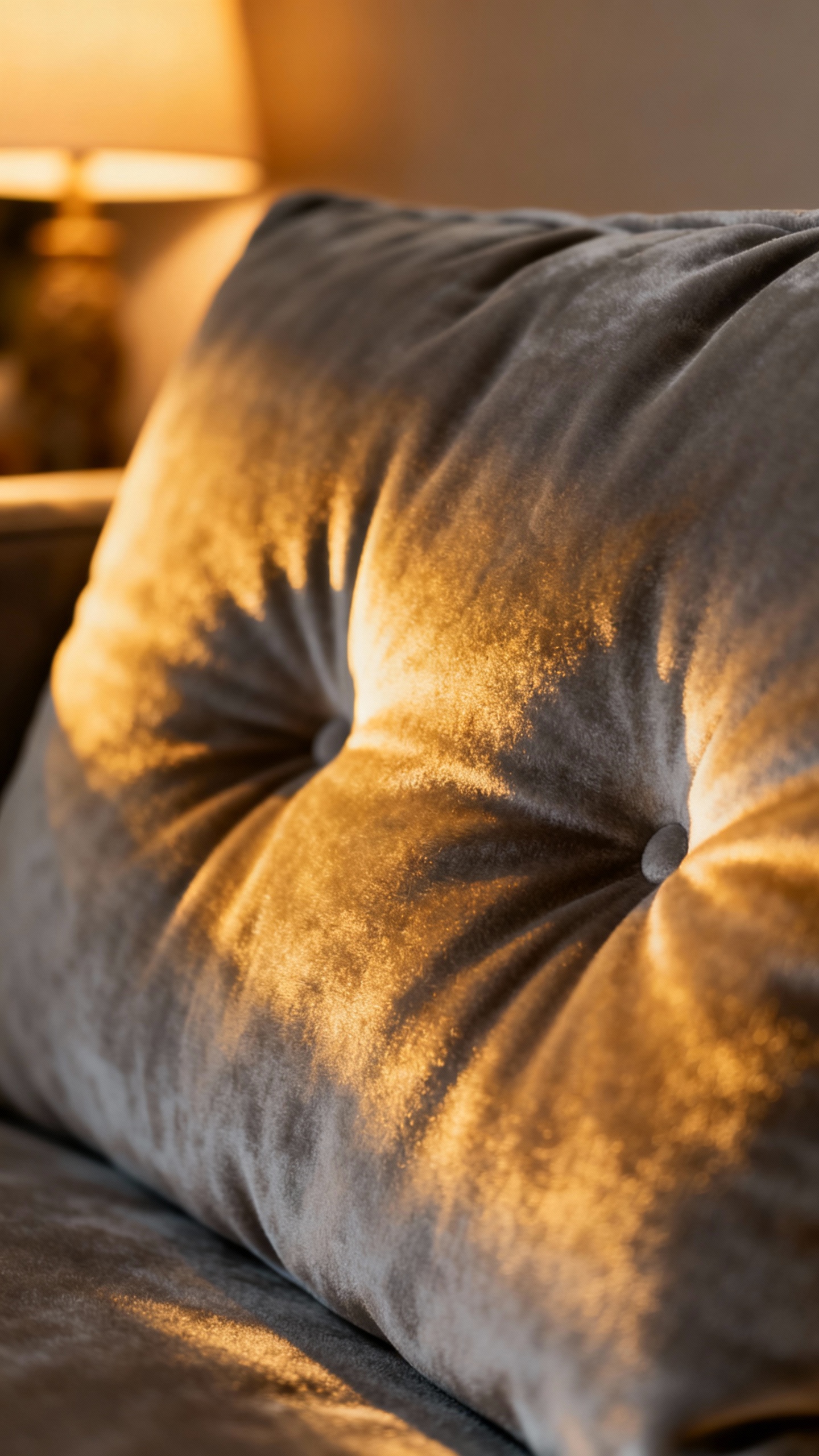
Your spot on the couch is basically a heated cushion with your scent baked in. Dogs love warmth. They seek it out like little sun-powered batteries, and your just-vacated seat feels perfect. Warmth equals comfort and security.
That heat signals a safe, comfy place where you felt relaxed—so your dog wants in on that. Is it opportunistic? Absolutely.
But also kind of smart, IMO.
Why warmth matters more than you think
– Dogs regulate body temperature differently than humans. – Short-haired breeds chill faster and crave cozy spots. – Older dogs and puppies especially love heat, FYI.
Your Scent = Instant Security Blanket
Dogs navigate the world through their noses. Your freshly abandoned cushion smells like their favorite human—aka you. That smell calms them and makes the environment feel safe. Your scent marks that spot as “home base.” When your dog curls up there, they’re not just being annoying; they’re basking in the smell of their person.
It’s basically aromatherapy with a side of smug satisfaction.
Separation comfort
If your dog steals your seat when you leave the room, they might feel a tiny bit anxious. Your scent helps soothe them. No, it’s not a dramatic meltdown—it’s more like a subtle “BRB, need reassurance.”

Social Bonding: They Want to Be Where You Are
Dogs treat your spot like a VIP lounge because you sit there.
That location means “pack hangout,” and dogs are pack animals. They don’t want to miss the action or lose their place in the cuddle queue. Sitting in your spot strengthens their bond with you. They feel included. It’s not dominance; it’s social.
Yes, your dog might be a bit clingy. No, you shouldn’t apologize for loving it.
Dominance? Usually not.
People love to label everything “dominance,” but most couch takeovers don’t mean your dog wants to rule the living room.
If your dog growls when you try to move them, that’s a behavior issue to address. But a simple seat swap? That’s just proximity and comfort.
Learning Your Patterns: Dogs Are Master Opportunists
Dogs notice what works.
If stealing your spot gets them attention, warmth, or a treat (nice accidental reinforcement there), they’ll keep doing it. You trained them without realizing it. Congrats? Behavior that gets rewarded, repeats. Even if you just laugh or scratch their ears, that counts.
If you don’t want it to continue, you’ll need to change your response.
Accidental rewards you might be giving
– Petting or praising the seat thief – Playing a mini “chase” game to move them – Giving treats to lure them off – Letting them keep the spot sometimes, but not others (confusing, btw)

Comfort, Elevation, and Prime Real Estate
Your spot tends to be the best one because you chose it for a reason: better view, softer cushion, perfect TV angle. Your dog agrees. They want in on the best seat in the house. Higher vantage points feel safer and more powerful—not in a sinister way, but in a “I can see everything” way.
It’s like picking the corner coffee shop booth. Cozy and strategic.
Breeds that love the high ground
– Herding breeds (border collies, heelers) like to monitor the room. – Guarding breeds enjoy vantage points. – Toy breeds just want plush luxury, thanks.
How to Redirect the Seat Stealer (Without Being a Buzzkill)
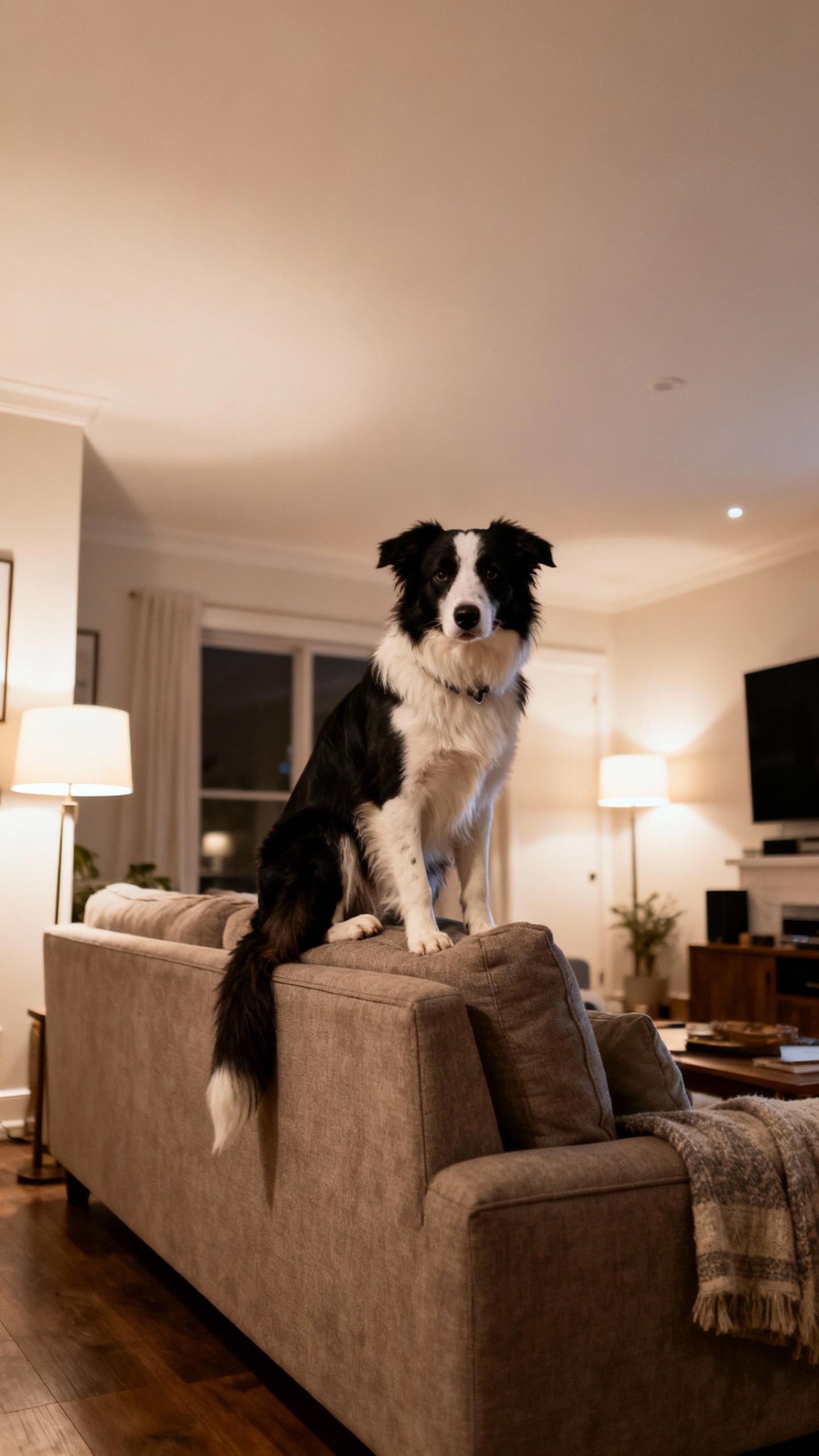
If you don’t mind the seat swap, cool. Enjoy your furry seat warmer.
But if you do mind it—or you want your cushions to survive—set some boundaries and offer alternatives. Try these simple strategies:
- Teach a “place” cue: Send your dog to a bed or mat with a reward.
- Make a competing cozy space: Add blankets and put it near your spot.
- Use timing: Ask for “place” before you stand up.
- Keep blankets with your scent on their bed for that “you smell.”
- Be consistent: Don’t allow couch time sometimes and forbid it other times.
Training a reliable “place” in 4 quick steps
- Guide your dog to a bed or mat; mark and reward when they step on it.
- Add duration: reward every few seconds while they stay.
- Add the cue “place” right before they go to the mat.
- Practice from different rooms and distances; reward intermittently.
When Seat Stealing Signals a Problem
Most couch takeovers are harmless. But sometimes the behavior hints at anxiety or resource guarding. You’ll want to address it before it escalates. Red flags to watch for:
- Growling or snapping when you try to move them
- Pacing, whining, or frantic behavior when you stand up
- Destructive behavior when left alone
- Sudden obsession with your spot after a change at home
If you see these, talk to a trainer or vet.
A few sessions can fix things fast. IMO, early help saves your couch—and your sanity.
FAQs
Is my dog being dominant when they take my seat?
Probably not. Most dogs choose your spot for warmth, scent, and proximity.
If they guard the spot and refuse to move, that’s a behavior issue, not “alpha energy.” Train a “place” cue and reinforce polite behavior around furniture.
Should I let my dog sit in my spot?
It’s your call. If you enjoy it and your dog moves when asked, no problem. If it bothers you or leads to pushy behavior, set clear rules and offer a comfy alternative nearby.
How do I stop my dog from stealing my seat when I leave the room?
Use a “place” cue and reward them for staying on a mat or bed.
Make that spot super appealing with a warm blanket and a chew toy. Consistency matters—don’t let them keep the seat sometimes and block it other times.
Why does my dog jump into my seat only when guests visit?
They might feel a little unsure and want the safest, most familiar spot—aka yours. Or they want attention when the social energy spikes.
Preempt it by sending them to “place” before guests sit down, and reward calm behavior.
Do certain breeds steal seats more than others?
Not officially, but dogs that crave warmth (short-haired breeds), vigilance (herding/guardian types), or luxury (toy breeds) tend to do it more. Individual personality matters more than breed, FYI.
What if my dog growls when I try to move them?
Take it seriously. Don’t punish.
Step back, lure them off with a treat, and reinforce calm trading behaviors. Then work with a qualified trainer to prevent guarding and build cooperation.
Bottom Line
Your dog steals your spot because it’s warm, it smells like you, and it sits at the center of the action. Cute?
Yes. Slightly audacious? Also yes.
With a little training and a cozy alternative, you can keep your throne—while still letting your four-legged friend feel like part of the pack. Win-win, and your cushions will thank you.
Leave a Reply