
Your dog plants a paw on your leg and stares like you owe them rent. Cute? Yes.
Random? Not really. Dogs use their paws like we use our hands—to communicate, to ask, to nudge, and sometimes to say “hey, you missed a spot behind my ear.” Let’s decode that fluffy high-five and figure out what your pup really wants.
It’s Dog Language 101

Dogs don’t text.
They paw. It’s one of their simplest, clearest signals. When your dog touches you, they’re saying, “I’m engaging with you right now.” What they might mean:
- Attention, please. You looked at your phone.
They noticed. Paw.
- Affection. Many dogs learn that pawing leads to pets and cuddles.
- Comfort seeking. If they feel unsure or stressed, they reach for you.
- Communication. “Open the door.” “Give me the toy.” “Scoot over, human.”
Context Is Everything
Watch the full picture: tail, ears, eyes, body posture. A relaxed tail wag and soft eyes?
Likely affection. Stiff body, pinned ears, dilated pupils? That paw could be a stress signal.
The Classic: “Pay Attention to Me”
Most of the time, your dog pats you because it works.
You look down, you smile, you scratch. Congrats—you trained your dog to paw you. Yes, you.
Behavioral economics, but make it cute. Signs it’s attention-seeking:
- They paw when you stop petting.
- They paw during your Zoom call or when you grab your laptop.
- They pause, then escalate—gentle paw, then a little nudge, then the full “slap.”
What to Do
- Redirect. Ask for a sit or down, then reward with attention. You choose the behavior you reinforce.
- Schedule attention. Short play sessions or sniff walks reduce “hey hey hey” pawing.
- Ignore the paw, reward calm. When they settle beside you without pawing, pet them. Timing matters.

Affection and Bonding
Plenty of dogs use a gentle paw during cuddle time.
They rest a paw on your arm, lean into you, and give you the “you’re my human” eyes. IMO, that’s the sweet spot of dog ownership. How to reciprocate:
- Pet slowly on the chest or shoulder—many dogs find that grounding.
- Use your voice. Calm, warm praise deepens the bond.
- Keep it short if your dog gets overstimulated easily.
Stress, Anxiety, and the Comfort Paw
Sometimes a paw equals “help.” Dogs often reach out when thunder booms, visitors arrive, or routines change.
They look to you for reassurance because you control the treat jar and, more importantly, feel safe. Look for these signs of stress:
- Lip licking, yawning, shaking off
- Pinned ears, tucked tail, whale eye
- Clinginess paired with pacing or whining
How to Help
- Offer structure. Ask for a sit, reward, repeat. Predictability lowers anxiety.
- Provide a safe spot. A bed in a quiet room, white noise, a chew toy.
- Train calm behaviors. Mat training and scent games build confidence.
- Consider support. For severe anxiety, talk to your vet or a certified behaviorist. FYI, meds can help some dogs.
“I Need Something” Pawing
Dogs problem-solve with their paws.
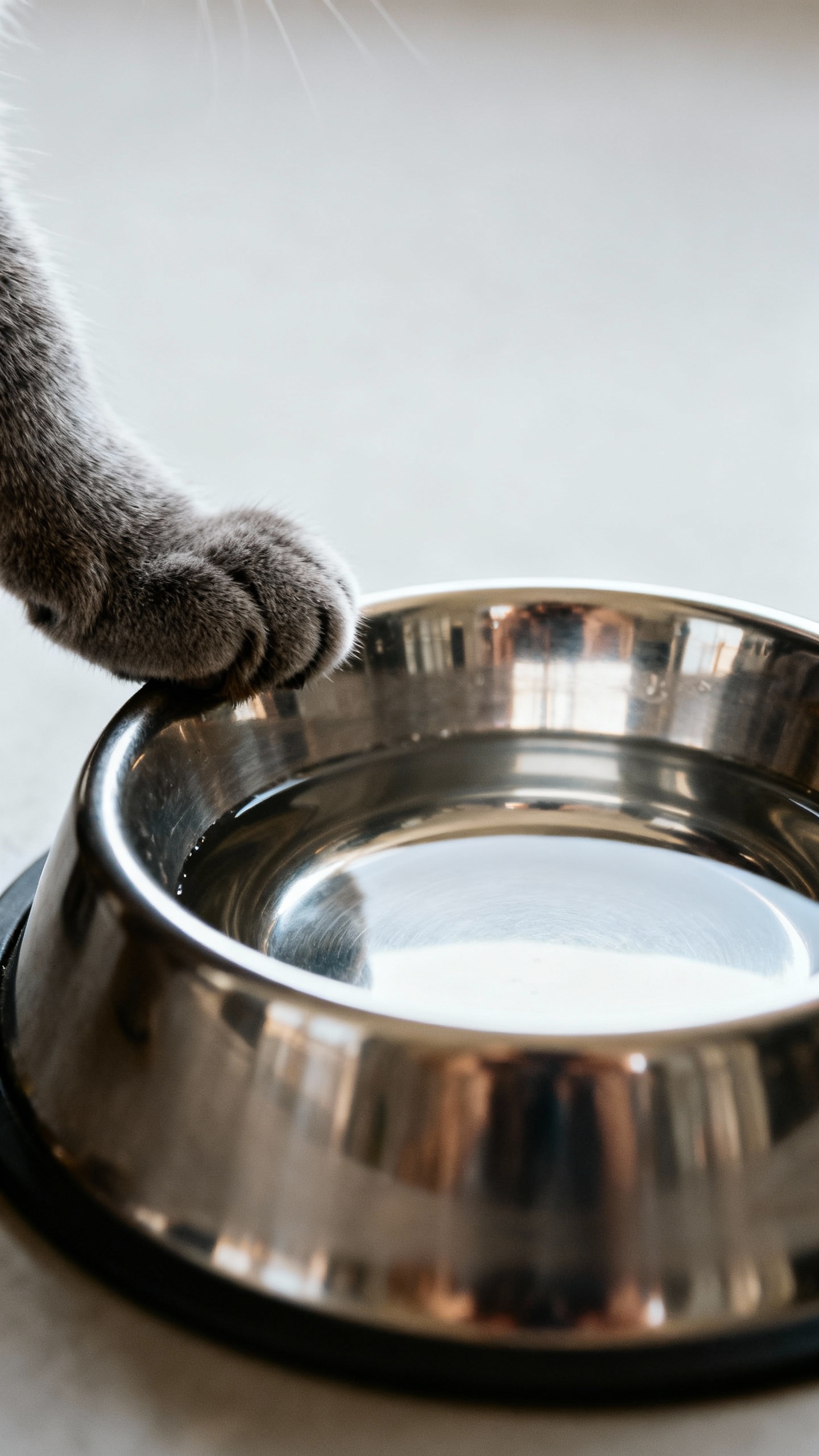
They paw the water bowl when it’s empty, your knee when nature calls, or the treat pouch because… well, because treats. Common “requests” behind the paw:
- Potty break. Especially if they pace and head toward the door.
- Hunger or thirst. Check meal times and water bowls.
- Boredom. A toy dump followed by a paw is basically, “Game on?”
Encourage Clear Signals
Teach a door bell or a “touch” cue so your dog can “ask” politely. Then reward that instead of the random thigh slap. It’s communication, just cleaner.
Training the Paw: Good Idea or Chaos?

Teaching “shake” or “high five” can be adorable and mentally stimulating.
But if your dog already paws too much, you might create a tiny monster (a cute one, but still). Best practices:
- Put it on cue. Only reward pawing when you ask for it.
- Teach alternatives. Sit, chin rest, or nose target for attention.
- Manage the environment. If pawing shreds your tights, cover legs or shift position to make pawing less rewarding.
When Pawing Isn’t “Just a Phase”
Sometimes the paw hints at discomfort or pain. If your dog paws your arm but also whines, paces, or seems restless at night, don’t ignore it. Dogs mask pain like pros. Red flags to watch:
- New pawing paired with appetite changes or lethargy
- Obsession with one spot on their body
- Excessive drooling, panting, or restlessness without exercise
If you spot these, schedule a vet check.
Better safe than “I wish we’d gone sooner.”
How to Respond in the Moment
Not sure what the paw means right now? Run a quick mental checklist.
- Read the body. Relaxed or tense?
- Check needs. Water, potty, boredom?
- Decide on a response. Ignore and reward calm, or redirect with a cue and reward.
- Be consistent. Your rules today should match tomorrow. Dogs notice the loopholes.
They exploit them. Respect.
FAQs
Why does my dog paw me when I stop petting?
Because you taught them that pawing restarts the petting machine. If you don’t want that, pause, wait for calm stillness, then resume petting.
Reward the quiet, not the poke.
Is pawing a sign of dominance?
No. That “dominance” myth needs to retire. Pawing signals attention, affection, stress, or a request.
Look at context, not outdated hierarchy charts.
My dog paws my face. Cute or risky?
Risky. Nails plus eyes equals vet bills.
Redirect to a “kiss” cue, a chin rest on your hand, or gentle targeting to your palm. Reward those instead.
Do certain breeds paw more?
Retrievers, collies, and shepherds often use their paws a lot because they’re problem-solvers and people-focused. But any dog can be a professional poker if it gets results.
How do I stop claw marks on my skin?
Keep nails trimmed, use a nail grinder, and teach alternatives like nose targeting.
Also, wear thicker fabrics during training (FYI, leggings aren’t armor).
Could pawing mean pain?
Yes, especially if it’s new and paired with restlessness, whining, or changes in behavior. If your gut says “something’s off,” trust it and call your vet.
Conclusion
Your dog’s paw isn’t random—it’s a message. Sometimes it says “I love you,” sometimes “let’s play,” and sometimes “I’m not okay.” Decode the context, reward the behaviors you want, and give your dog better ways to ask.
You’ll get fewer surprise scratches and, IMO, a stronger, clearer bond. And hey, if you’re going to be owned by a paw, make it a well-mannered one.
Leave a Reply