
Your dog naps like it’s a full-time job, right? One minute they’re zooming around, the next they’re curled up like a cinnamon roll, sawing logs. Here’s the deal: dogs sleep a lot, and most of the time it’s totally normal.
But sometimes it signals something else. Let’s unpack what’s normal, what’s not, and how to help your snoozy sidekick live their best nap life.
How Much Sleep Do Dogs Actually Need?
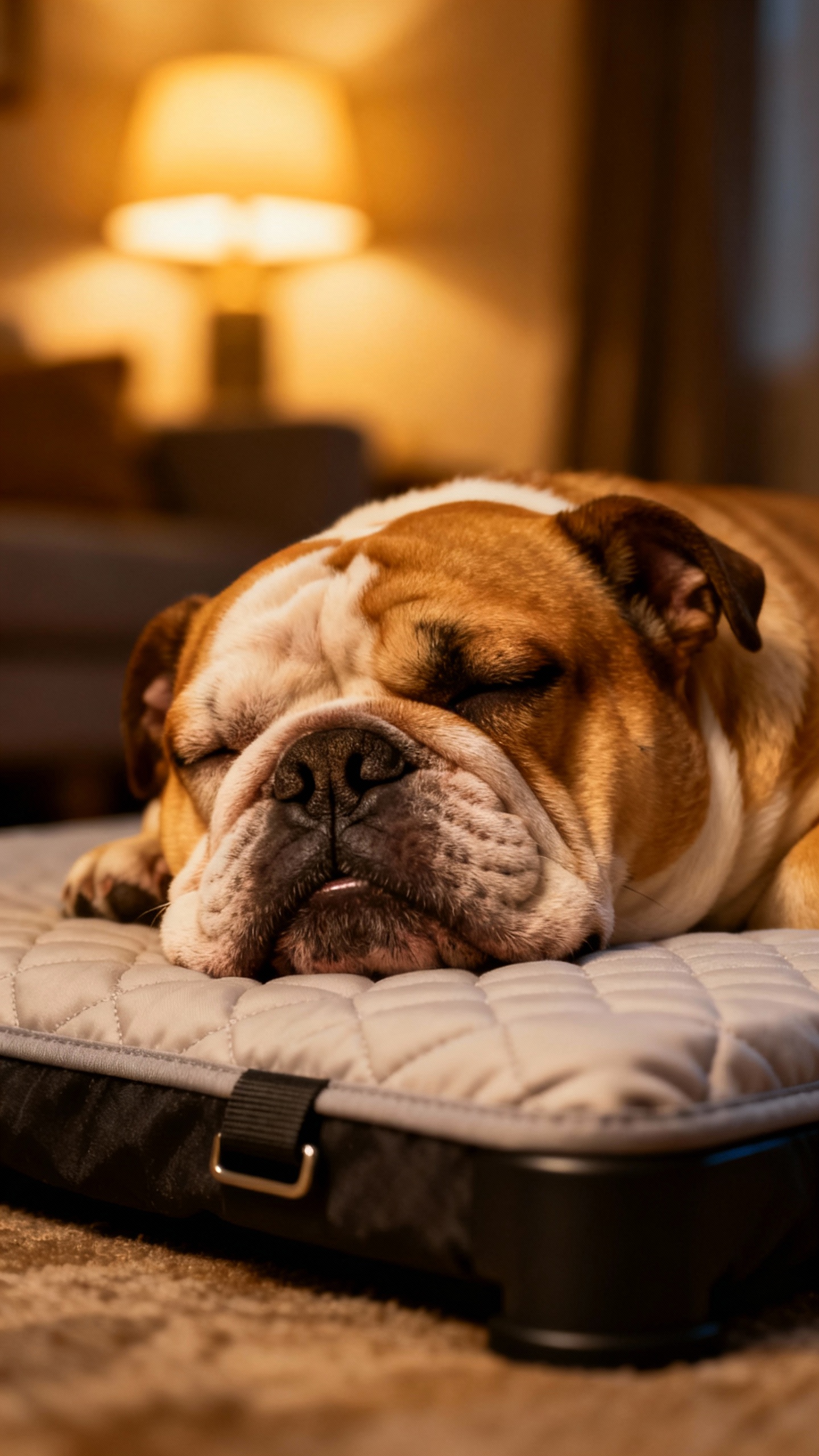
Dogs sleep more than humans. A lot more.
Most adult dogs clock 12–14 hours of sleep in a 24-hour period. Puppies and seniors? Try 16–20 hours.
Working breeds and high-drive dogs often rest hard between bursts of activity. Why so much shut-eye? Dogs sleep in shorter cycles and drift in and out of light sleep.
They don’t get the same deep, consolidated sleep humans do at night. So they make it up with naps. And yes, that includes falling asleep in the sun like a little furry reptile.
Sleep By Life Stage
- Puppies: 16–20 hours.
They sleep, wake, chaos, repeat.
- Adults: 12–14 hours. Add more if super active or bored.
- Seniors: 14–18 hours. Slower metabolism, more rest.
Normal Reasons Your Dog Sleeps So Much
Sometimes a nap is just a nap.
Consider these very normal reasons your dog likes to snooze:
- Energy management: Dogs sprint and play in short bursts, then recharge.
- Boredom: Not enough mental or physical activity? They sleep to pass time.
- Weather: Hot day = low energy. Cold day = cozy blanket mode.
- Big meal: Post-dinner coma?
Totally normal, just like us after Thanksgiving.
- Routine: Dogs love schedules. If you chill, they chill.
Breed Matters (A Lot)
Some breeds lean lazy, others need a job or they spiral into chaos. FYI:
- Working breeds (Border Collies, Malinois): Sleep hard after intense activity and mental work.
- Giant breeds (Newfoundlands, Mastiffs): More sleep because giant bodies = giant recovery needs.
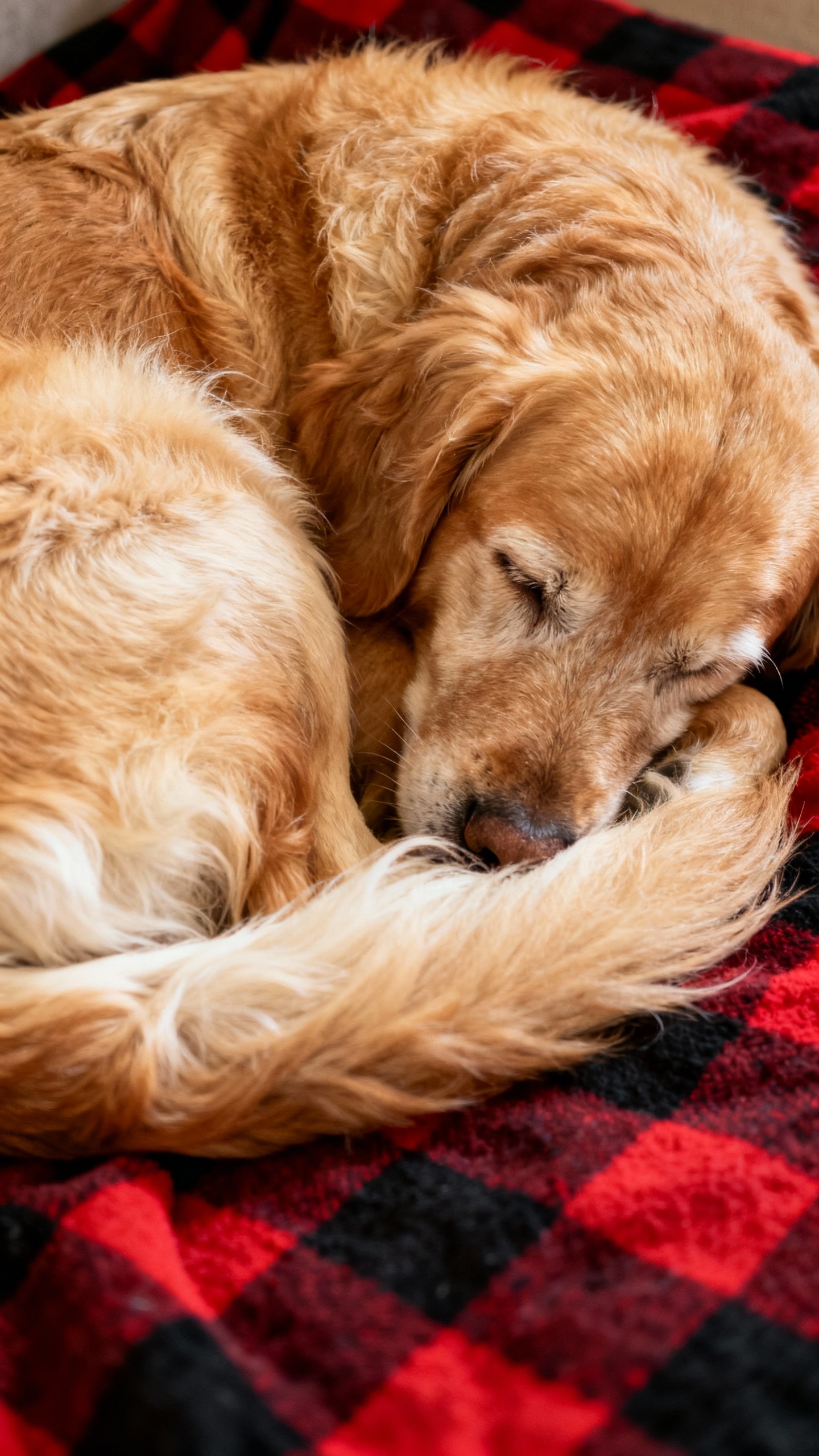
- Brachycephalics (Pugs, Bulldogs): They sleep a lot and snore like lawnmowers due to airway anatomy.
When Extra Sleep Might Signal a Problem
You know your dog’s baseline.
If sleep increases suddenly or the vibe feels “off,” pay attention. Look for:
- Low energy during play or walks they used to love.
- Heavy panting at rest or labored breathing.
- Changes in appetite or water intake.
- Limping, stiffness, or reluctance to jump (hello, joint pain).
- Restlessness at night or pacing.
- Personality shifts: clingy, irritable, or withdrawn.
If you see a combo of those, call your vet. IMO, trust your gut.
You live with this floof—you’ll notice subtle changes before anyone else.
Possible Medical Causes
Not to freak you out, but here’s what vets often check:
- Hypothyroidism: Common in middle-aged dogs. Sleepy, weight gain, dull coat.
- Anemia: Low red blood cells = low oxygen = fatigue.
- Pain: Arthritis, dental disease, injuries—pain makes dogs rest more.
- Heart or lung issues: Less stamina, more sleep.
- Infections: Tick-borne diseases can cause lethargy.
- Medications: Antihistamines, pain meds, and anxiety meds can sedate.
Strong rule of thumb: sudden, extreme, or unexplained changes need a vet visit.
How to Tell Good Sleep From “Too Much” Sleep
Dogs should wake easily and respond quickly. Normal sleep looks like:
- Relaxed body and regular breathing.
- Energetic when awake with normal interest in play and food.
- Predictable naps after activity or meals.
Red flags for “too much”:
- They ignore cues like “walk,” treats, or favorite toys.
- They seem weak, wobbly, or uncoordinated.
- They hide, isolate, or seem depressed.
If the day feels like one continuous nap with minimal spark, that’s not just vibes—that’s data.
Help Your Dog Sleep Better (And Be Happier Awake)
Want less “boredom napping” and more quality rest?
Try this:
- Optimize exercise: Aim for age- and breed-appropriate activity. Mix cardio walks with fetch, tug, or nose work.
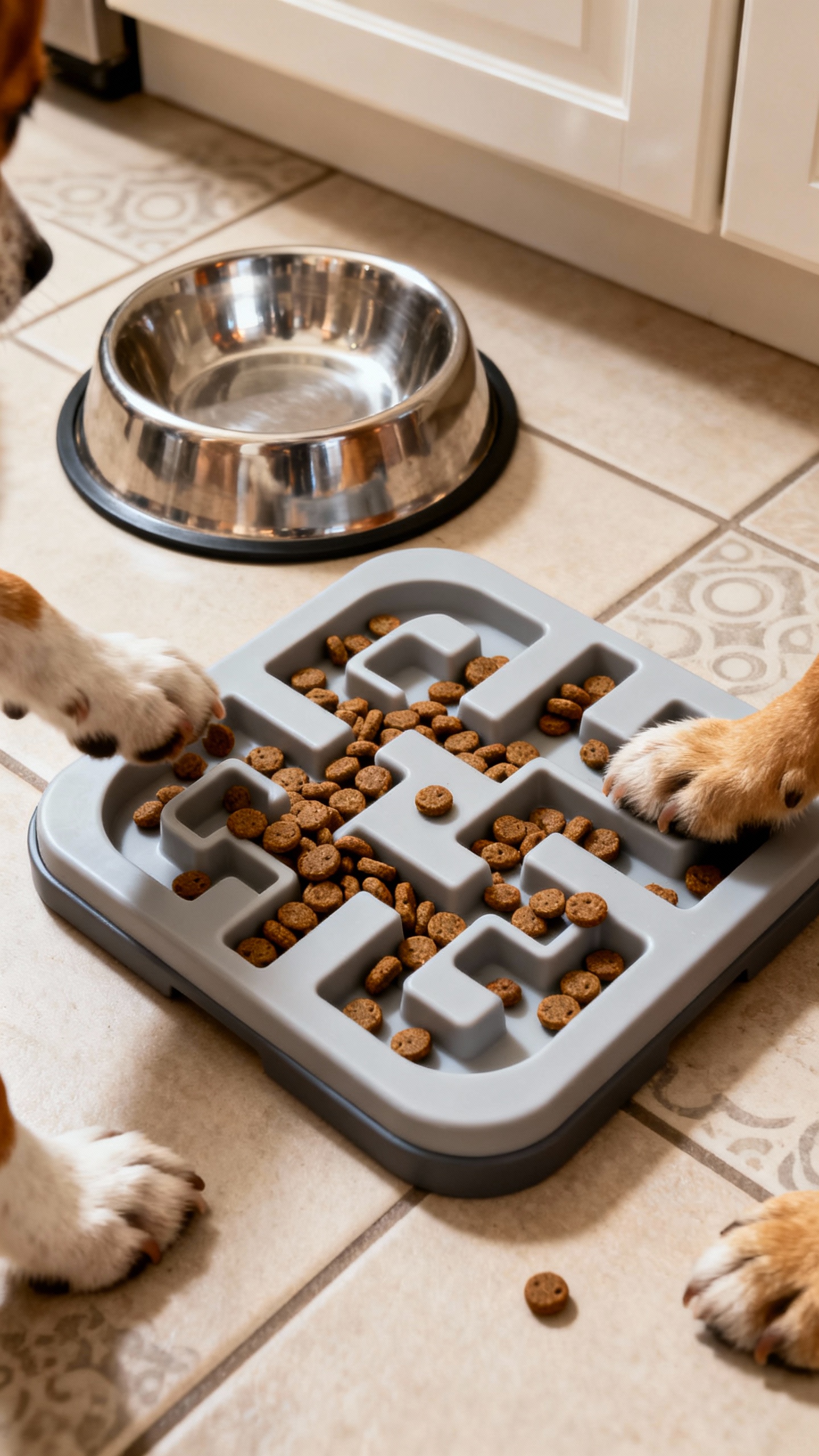
- Use mental enrichment: Sniffari walks, puzzle feeders, training sessions, scent games. Tired brain = happy nap.
- Dial in the schedule: Consistent mealtimes, potty breaks, training, and walk windows keep circadian rhythms smooth.
- Create a sleep zone: Quiet, dark, comfy bed.
For seniors, add orthopedic padding and keep it draft-free.
- Watch the diet: Quality food, correct portions. Heavy carbs or too many snacks can cause sleepiness (and zoomies at 2 a.m.).
- Check the environment: Too hot or cold? Noisy household?
Fix the basics first.
Special Tips for Puppies
- Use short play bursts and frequent rest. They crash because their batteries are tiny.
- Crate or pen naps help them settle and prevent overtired meltdowns.
- Plan training early in the day when they’re fresh.
Special Tips for Seniors
- Gentle, frequent movement keeps joints lubricated.
- Consider joint supplements (glucosamine, chondroitin, omega-3s) with your vet’s guidance.
- Night pacing or restlessness? Ask your vet about pain control or cognitive support.
Decoding Sleep Positions and Sounds
Your dog’s sleep posture tells a story:
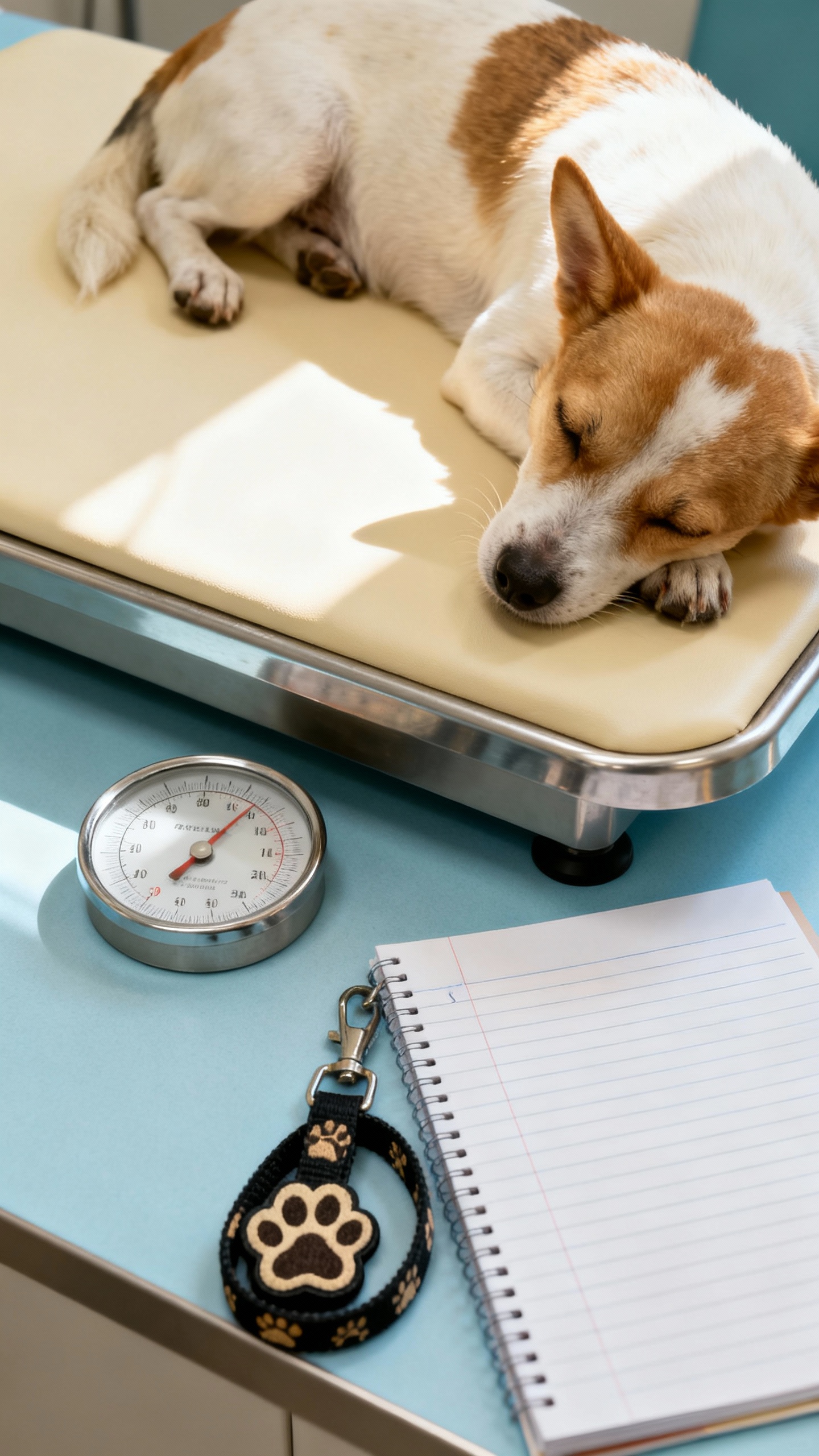
- Donut curl: Conserves heat, common in new environments.
- Side sprawl: Comfortable and safe, often deep sleep.
- Back with paws up: Trust and cooling off.
Peak derp.
Dream twitching? Normal. They cycle into REM in short bursts.
If legs paddle for a minute, that’s fine. If you see prolonged rigidity, vocalization, drooling, or unresponsiveness, that might be a seizure—call your vet.
When to Call the Vet
You don’t need to call for every nap. Do call if you notice:
- Sudden increase in sleep lasting more than a day or two.
- Refusal to engage in normal activities or meals.
- Weight gain/loss, vomiting, diarrhea, coughing, or breathing changes.
- Pain signs: yelping, stiffness, limping, or reluctance to be touched.
Bring notes.
Vets love data. Track nap length, energy changes, appetite, water intake, and any meds. IMO, a simple log on your phone works wonders.
FAQ
Is 18 hours of sleep a day normal for my adult dog?
It can be, especially for large or giant breeds, low-activity households, or after big play days.
If your dog wakes easily, eats well, and acts normal during awake time, you’re likely fine. If they seem lethargic or uninterested in usual fun, check with your vet.
Why does my dog sleep all day and get zoomies at night?
Your dog likely naps from boredom during the day and saves energy for the evening. Add daytime enrichment: a morning walk, puzzle feeders, midday sniff breaks, and an evening training session.
Shift meals slightly earlier and build a predictable wind-down routine before bed.
Do certain foods make dogs sleepy?
Large, carbohydrate-heavy meals can cause post-meal drowsiness. That’s normal, but if your dog crashes hard or gets GI upset, adjust portion size or meal timing. Also, dehydration causes fatigue—keep fresh water available 24/7.
Could my dog be depressed?
Dogs can show depression-like signs: low energy, less interest in play, changes in sleep, and clinginess.
Major life changes (loss, move, new schedule) can trigger this. Rule out medical issues first, then lean into routine, enrichment, social time, and training to boost confidence.
Is snoring a problem?
Light snoring is common, especially in short-nosed breeds. Loud, chronic snoring, choking sounds, or pauses in breathing can signal airway issues or obesity.
Bring it up with your vet, especially if your dog seems tired even after long sleep.
Should I wake my dog from a deep sleep?
Generally, let sleeping dogs lie—especially seniors and puppies who need extra rest. If you need to wake them, do it gently: say their name softly, then touch them lightly. Startling a sleeping dog can scare them and trigger a defensive reaction.
Bottom Line
Most dogs sleep a ton because their bodies and brains work that way.
If your pup naps hard, wakes happy, and plays with gusto, you’re good. Watch for sudden changes, support them with routine and enrichment, and keep your vet in the loop when something feels off. FYI: a well-rested dog is usually a well-behaved dog—so let the cinnamon roll snooze.
Leave a Reply