
Your dog locks eyes with you, unblinking, like they’re trying to read your soul—or your snack plans. You try a smile. They stare harder.
Creepy? Maybe a little. But that gaze usually means something sweet, practical, or hilariously dog-like.
Let’s decode the look and figure out what your furry little detective wants.
Staring: The Love Language You Didn’t Know You Needed
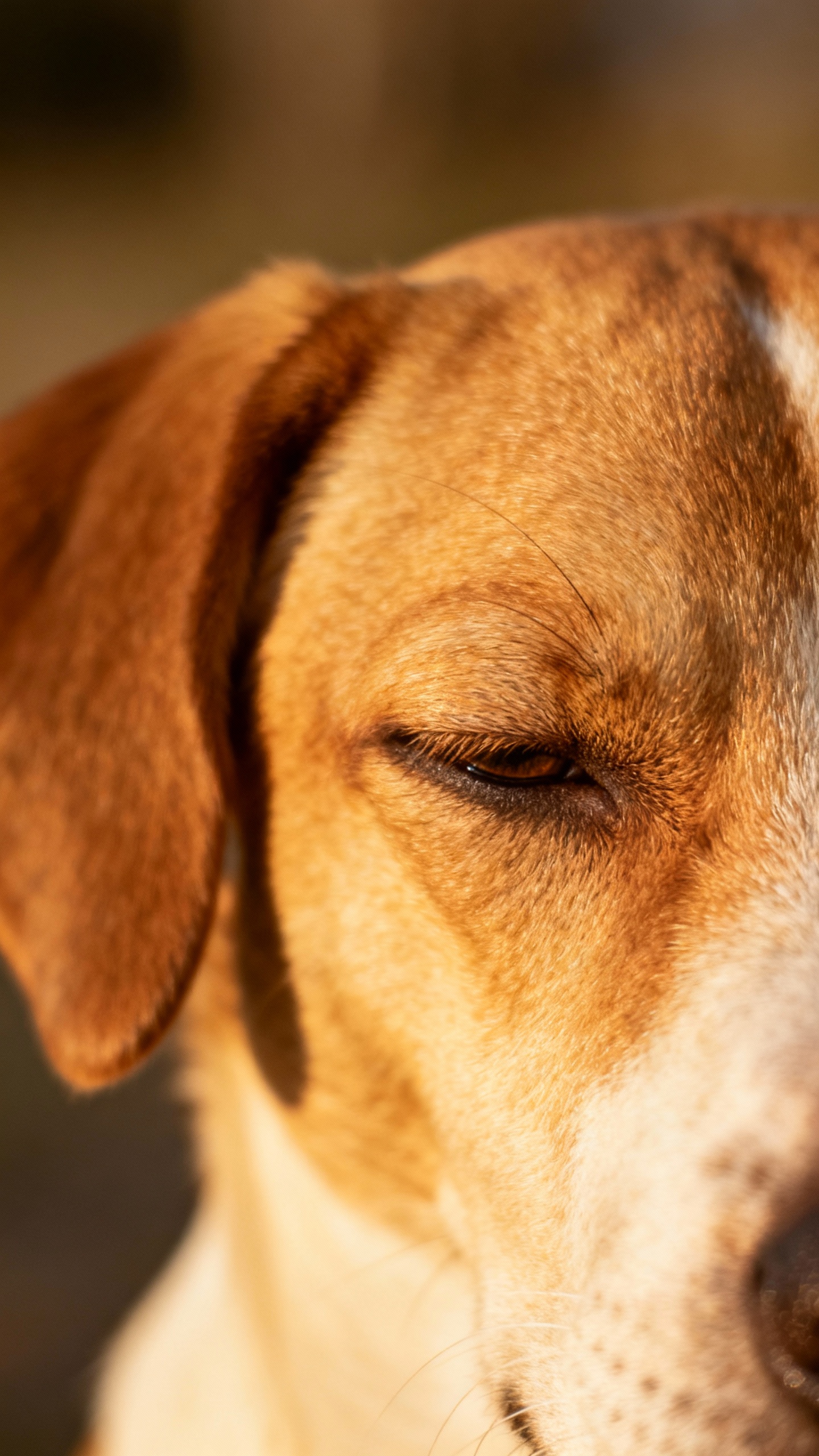
Dogs don’t speak English (tragic), so they use their eyes instead. When your dog stares at you softly with relaxed body language, they’re saying, “You’re my human.” That gentle eye contact actually releases oxytocin in both of you—the same hormone that bonds parents and babies. Cute, right? Key signs it’s a love stare:
- Soft eyes, slow blinks
- Relaxed ears and mouth
- Loose, wiggly body
When Love Turns Into a “Check-In”
Sometimes the stare just means, “What are we doing next?” Dogs look to you for cues—walk, couch, snack, existential crisis—whatever your schedule says.
“Feed Me, Human”: The Classic Expectation Stare
Let’s be honest: a lot of stares mean food.
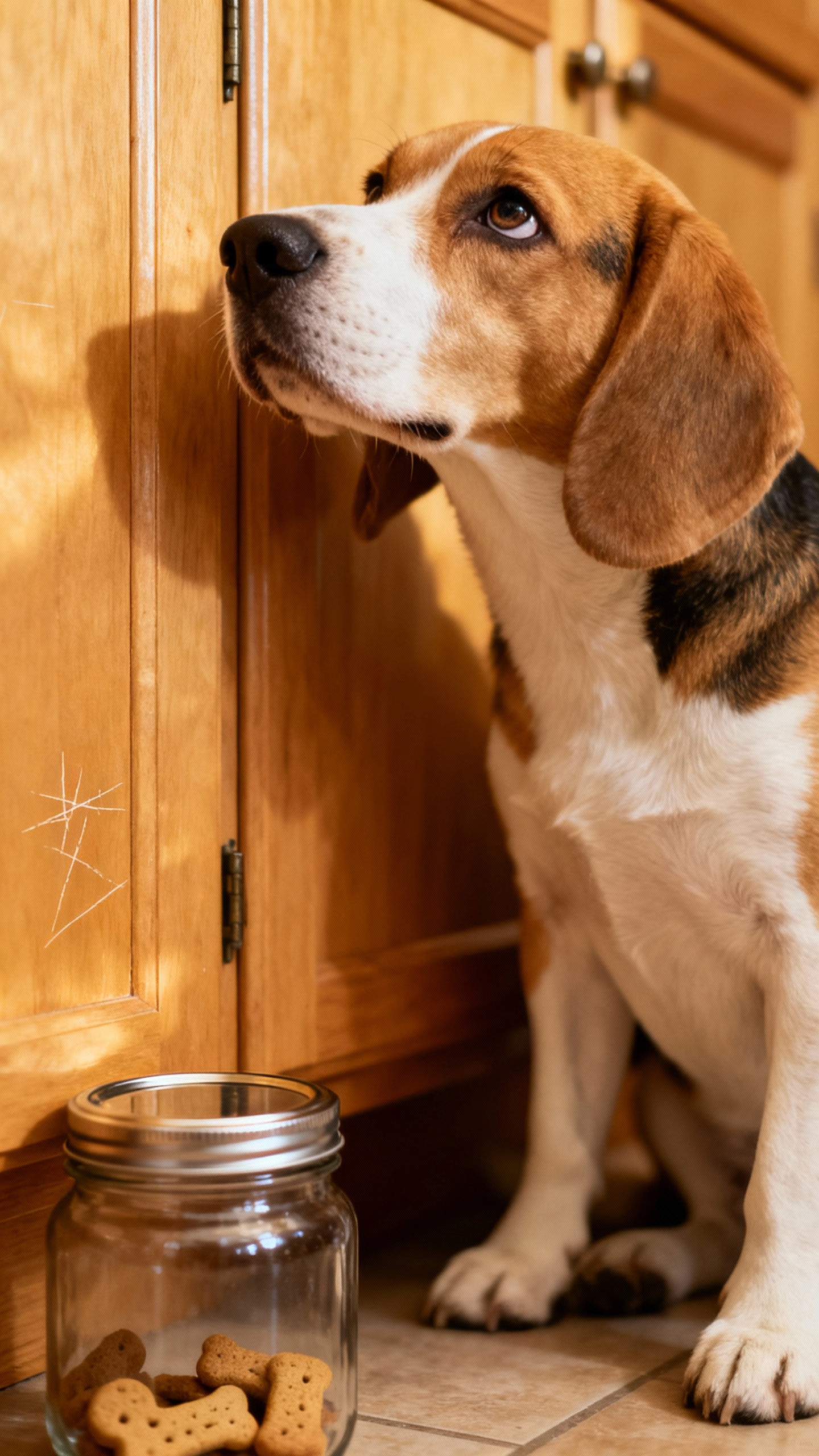
Dogs learn fast that eye contact gets results. If you’ve ever slipped them a bite at dinner “just this once,” congrats—you built a tiny lobbyist with paws. How to tell it’s a food stare:
- Head tilt toward the kitchen or your plate
- Micro-movements when you reach for the treat jar
- Sits perfectly polite like a furry statue (manipulative, but effective)
Fixing the Begging Spiral
If you want fewer stares at mealtime, stop rewarding the behavior. Ask for a “place” or “down” during meals and reward after you finish.
Consistency wins. IMO, the “I’m starving” eyes deserve an Oscar, not your steak.
They’re Waiting for Instructions (Yes, You’re the Boss)
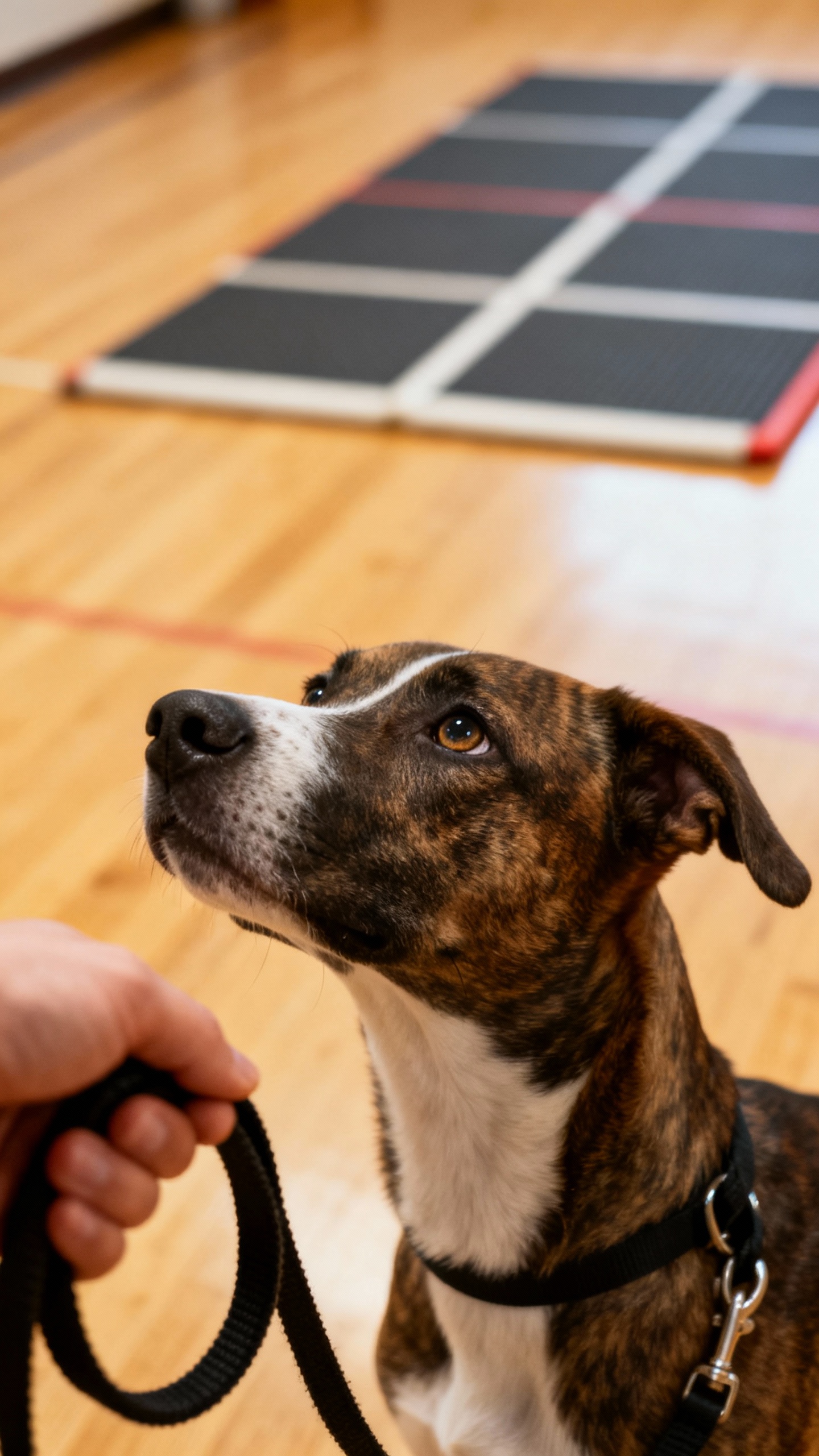
Well-trained dogs use eye contact to check in during activities. They stare to ask, “What now?” You’ll see this most during walks, training sessions, or when you reach for the leash. Use the stare to your advantage:
- Mark eye contact with “Yes!” and give a treat—build focus
- Reward spontaneous check-ins on walks
- Practice “watch me” in low-distraction areas first
Pro Tip for Anxious or Overexcited Dogs
Teach a solid “look” cue indoors before trying it outside.
You’ll gain a reliable off-switch for squirrels, skateboards, and that weird dancing balloon thing.
Curiosity, Confusion, and the “What Are You Even Doing” Stare
Sometimes your dog watches you fold laundry like you’re performing abstract performance art. They stare to figure out your routine or decode a strange sound. FYI, your dog probably knows your patterns better than you do. Curiosity stare signs:
- Head tilts and perked ears
- Still body, alert eyes
- No pacing or whining—just quiet observation
Help Them Understand
Narrate simple routines.
Pair words with actions: “Walk,” “Car,” “Bed,” “All done.” Dogs thrive when you label the world for them. It’s not silly—it’s smart.
Stress, Guarding, or “Back Off” Eyes
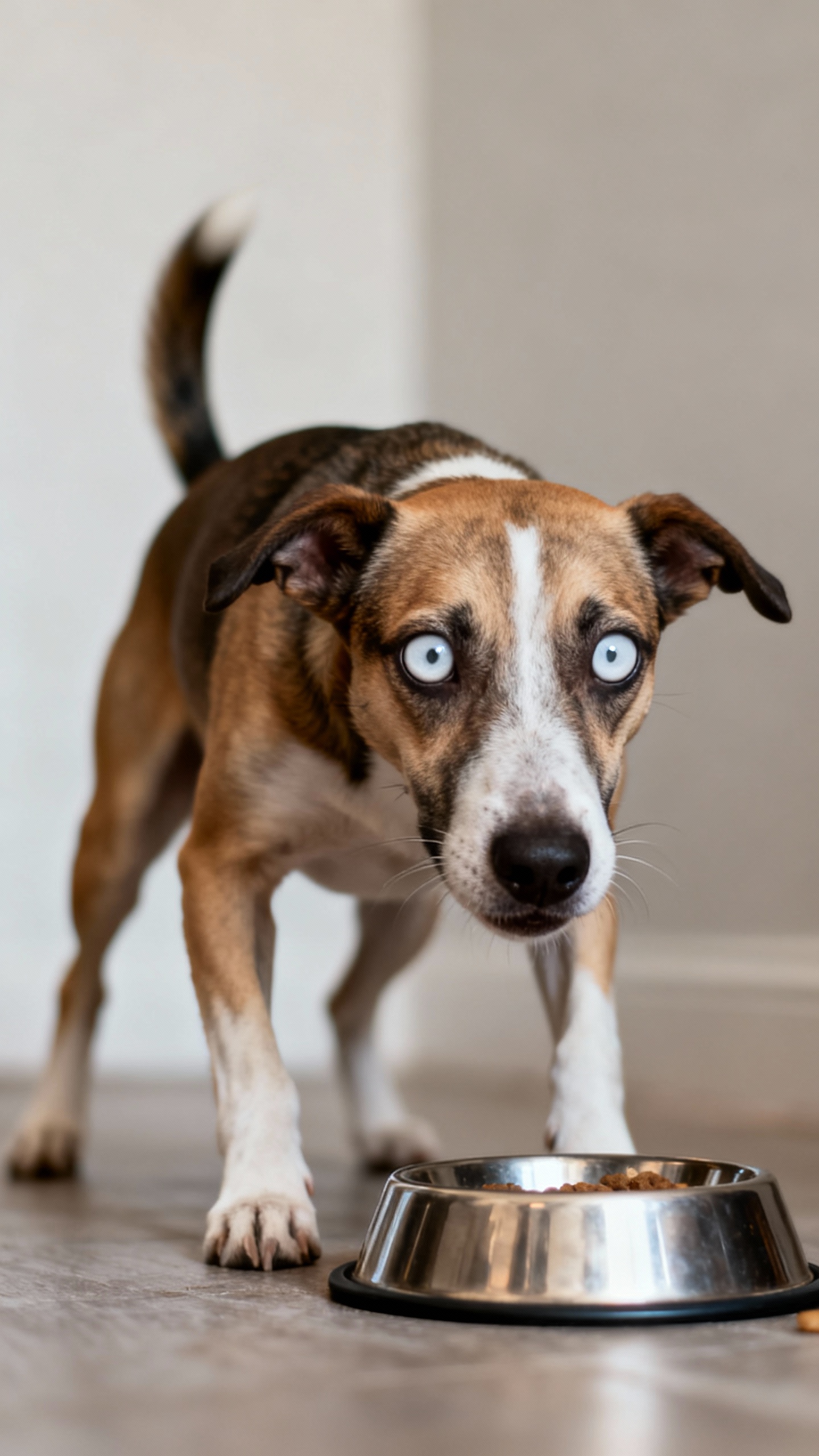
Not all stares feel warm and fuzzy. Hard, unblinking stares with stiff body language can signal discomfort or guarding.
If your dog fixates on you (or a person/pet) with tension in their face and neck, take it seriously. Possible causes:
- Resource guarding (food, toys, space)
- Pain or illness
- Fear or anxiety around certain situations
Warning signs to watch:
- Whale eye (white of the eye shows)
- Lip licking, yawning, freezing
- Growling or a low, tight mouth
What to Do If the Stare Feels “Off”
Don’t scold. Increase distance, remove the trigger, and consult a trainer or vet—especially if it involves food or kids. Early help prevents bigger problems.
IMO, a good certified trainer is worth their weight in bully sticks.
Health Reasons: When Staring Becomes a Symptom
Changes in vision, pain, or cognitive issues can shift your dog’s eye contact. Senior dogs may stare into space or at you longer because they feel disoriented. Younger dogs might stare if they feel nauseous or uncomfortable. Red flags to mention to your vet:
- New or sudden staring episodes
- Staring at walls, getting stuck in corners
- Dilated pupils, bumping into furniture
- Other changes: drinking more, pacing, restlessness
Support for Senior Dogs
If you suspect cognitive decline, ask your vet about enrichment, omega-3s, and routine tweaks.
Keep lights on at night, reduce clutter, and use scent cues to guide them. You’ll both feel better.
Eye Contact Etiquette: What Do Dogs Actually Want?
Not every dog loves direct eye contact. Some find it intense, especially if they came from a stressful background.
Learn your dog’s baseline and adjust your vibe. Make eye contact feel safe and rewarding:
- Use soft eyes and a gentle smile
- Blink slowly and turn your head slightly
- Pair brief eye contact with praise or a treat
Teaching a Fun “Look” Cue
- Hold a treat between your eyes.
- When your dog glances up, mark with “Yes!”
- Give the treat. Repeat for 1–2 minutes.
- Add the cue “Look.” Increase duration gradually.
This simple habit builds calmer, clearer communication. Also, your dog will stare on command—win-win.
Reading the Room: Context Is Everything
Your dog’s stare means different things in different scenarios.
Connect the dots with the rest of their body language and the situation. Quick decoder ring:
- Relaxed body + soft eyes = affection and bonding
- Sit by the pantry + raised brows = treat ambitions
- Leash in your hand + focused eyes = ready to work or play
- Stiff posture + hard stare = discomfort, step back
- Blank stares into space = vet check, especially in seniors
FAQ
Is my dog being dominant when they stare at me?
Nope. Dominance gets overused and misunderstood. Most stares reflect curiosity, bonding, or a request.
A hard stare with stiff posture can signal discomfort or guarding, but it’s not a “power move” in the way people imagine.
Should I stare back at my dog?
Yes, if your dog likes it. Soft, friendly eye contact strengthens your bond. Keep it brief and relaxed, blink often, and reward with praise or a treat.
If your dog looks away or seems tense, give them space.
Why does my dog stare at me while pooping?
They feel vulnerable and want to know you’re on “security detail.” You’re their lookout. Give a reassuring nod like the good bodyguard you are.
Why does my dog stare at me and then the door?
That’s a classic “Let’s go out” translation. They’re pairing you with the thing they want.
Say “Outside?” and see if their tail answers loud and clear.
Can I train my dog to stop staring at my food?
Absolutely. Teach “place” or “settle,” reward generously during meals, and stop feeding from the table. If begging has a history of success, you’ll need consistent zero-tolerance for a couple of weeks.
It works.
Is staring a sign of a medical issue?
Sometimes. New or odd staring, especially with confusion, pacing, or changes in behavior, deserves a vet check. Trust your gut—if it feels unusual, ask.
Conclusion
Your dog’s stare isn’t spooky—it’s communication.
Sometimes it’s love, sometimes it’s “snack pls,” and sometimes it’s a request for guidance or space. Watch the body language, consider the context, and respond with clarity. And if the stare looks weird or new, loop in your vet.
IMO, once you learn their “eye language,” that intense gaze starts to feel less creepy and way more magical.
Leave a Reply