
Your 3-month-old German Shepherd is a genius with zoomies. That combo can feel like juggling a rocket. The good news?
You can absolutely shape that energy into an awesome, well-mannered companion. Start simple, keep it fun, and train like you’re building habits, not just teaching tricks.
Know Your 3-Month-Old Shepherd
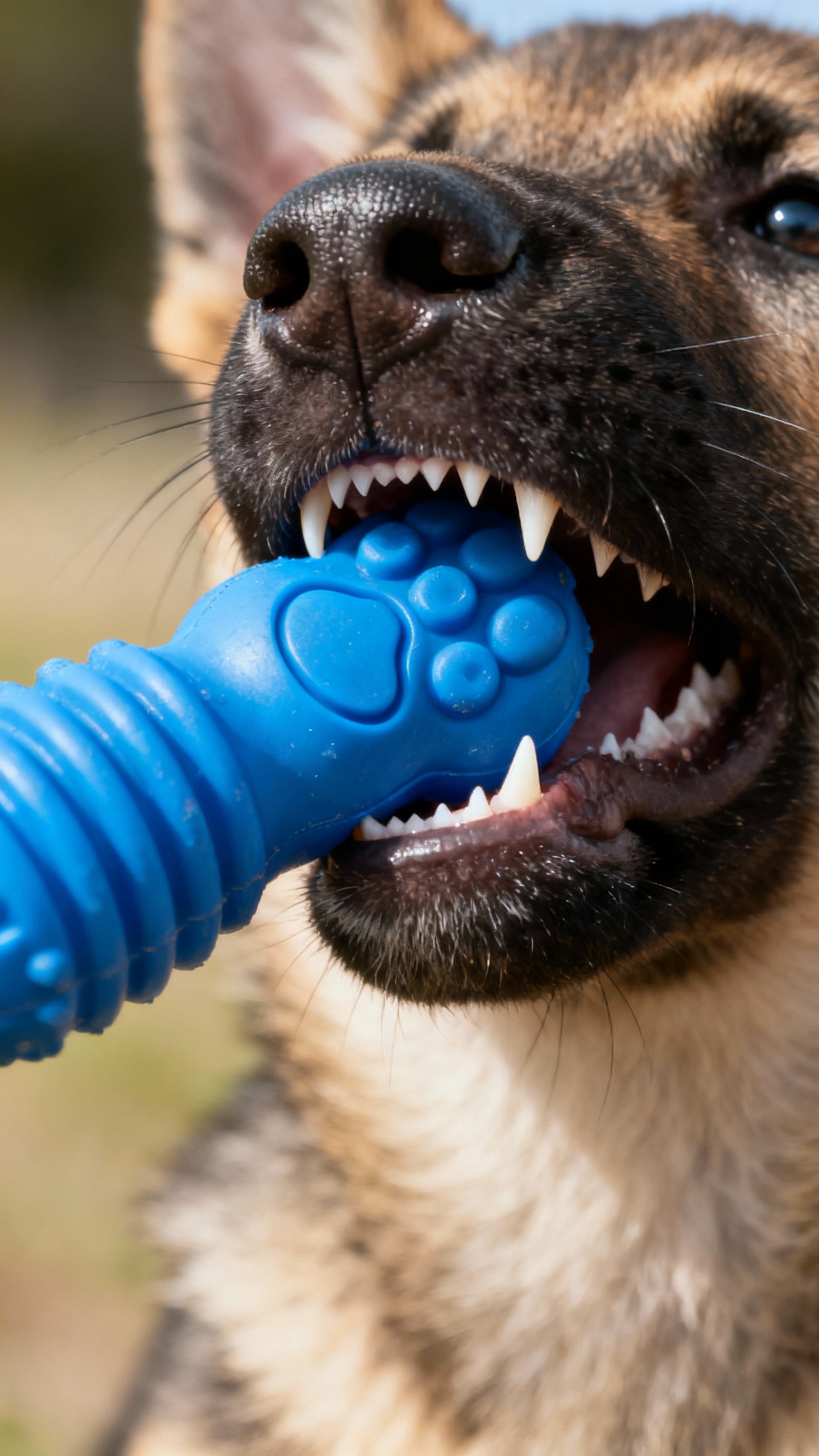
At 12 weeks, your GSD is a sponge. Short attention span?
Yep. Big brain? Also yes.
This is prime time for building confidence and structure. What this stage looks like:
- Teething like a tiny shark. Chew toys = your furniture’s bodyguards.
- Curious but occasionally nervous. Socialization matters a ton.
- Needing sleep—like, a lot.
Overtired pups act wild; rest fixes 70% of “behavior issues.”
Your goals right now:
- Bonding and trust
- Socialization with people, places, sounds, and gentle dogs
- Foundation skills: sit, down, come, name recognition, leash basics
Daily Routine That Actually Works
Routines make puppies feel safe. They also keep your sanity intact. Think short bursts, lots of repetition, and predictable cycles. Sample day flow:
- Wake, potty, breakfast
- 5–7 minutes of training (sit, name, come)
- Play/chew, then nap
- Short walk or sniffari, potty, nap
- Midday training (leash, down, leave it)
- Gentle socialization outing
- Evening mental games, dinner, potty, cuddle, sleep
FYI: A 3-month-old can do 3–5 minute sessions 3–6 times per day.
Keep it snappy and always end on a win.
Potty Training Without the Drama
Crate training plus a schedule equals fewer accidents and less guesswork. Shepherds aim to please, but your timing matters more than their intentions.
Set up the win
- Crate size: Big enough to stand, turn, and lie down. Too large invites accidents.
- Schedule: Out after waking, eating, playing, and every 2–3 hours.
- Go-to spot: Same area, same cue (“Go potty”), same calm praise.
Accidents happen
- Interrupt gently, go outside fast.
No scolding—your pup won’t connect the dots.
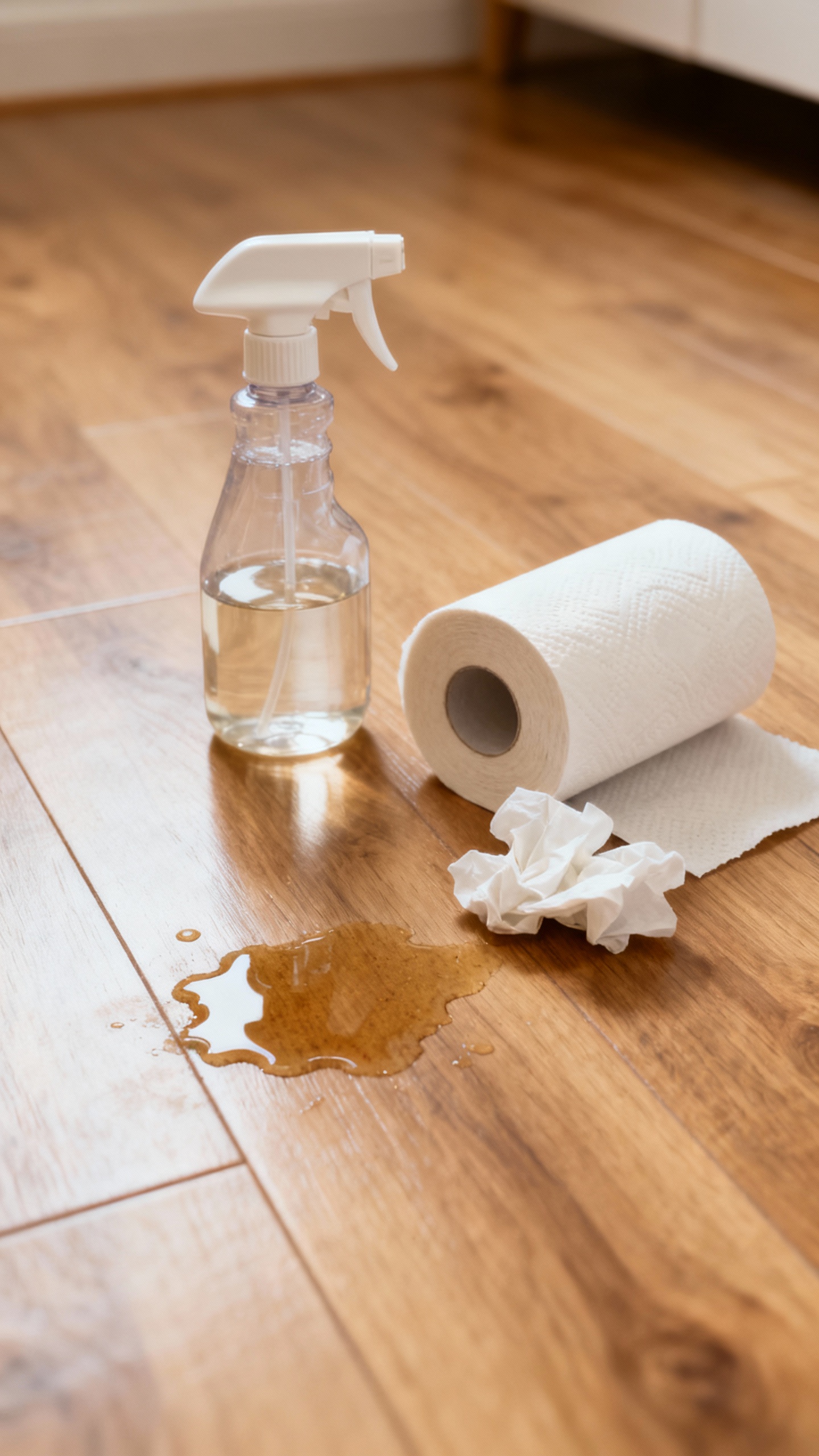
- Use enzyme cleaner. Regular cleaners don’t erase the “pee here” scent memo.
Core Obedience: Short, Fun, and Rewarding
Train with food, toys, and your voice. Reward the behavior you want, ignore the stuff you don’t—unless it’s dangerous.
Keep it upbeat.
Name and focus
- Say their name once. When they look, mark it (“Yes!”) and treat.
- Practice in low-distraction spaces first.
Sit and down
- Sit: Lure nose up and back. Mark, treat.
Add the word once the motion is reliable.
- Down: From sit, lure treat to the floor between paws. Mark, treat.
Come (recall)
- Kneel, open arms, happy voice: “Come!”
- Reward like a party when they reach you. Don’t use “come” to end fun every time, or they’ll ghost you.
Leave it
- Hold treat in closed fist.
Pup sniffs/licks? Wait. The second they back off, mark and reward with a different treat.
- Build to dropped items on the floor.
Safety skill unlocked.
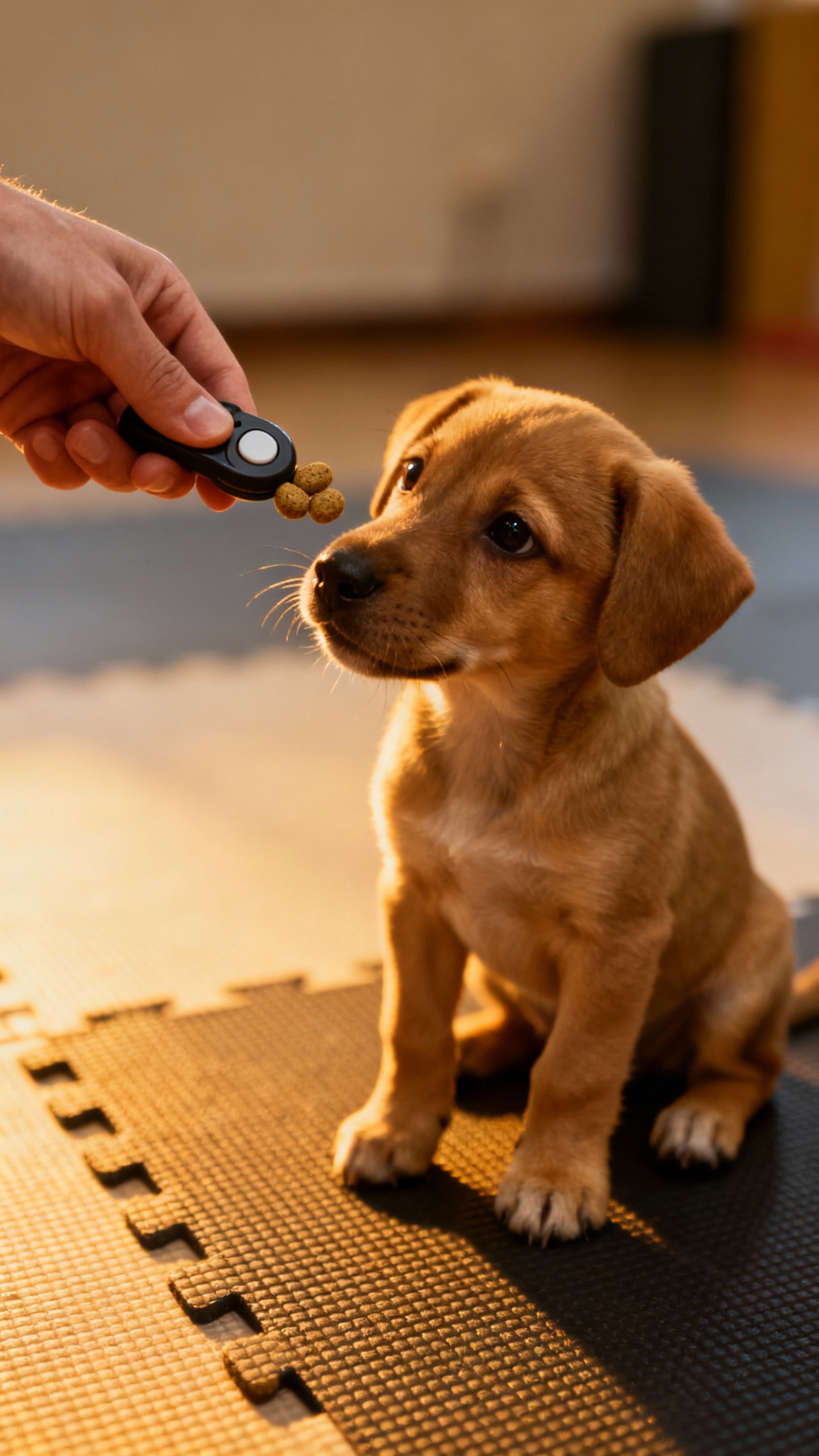
Pro tip: Use a marker word (“Yes!”) or a clicker to tell your pup the exact moment they nailed it. It speeds learning like crazy.
Leash Manners for the Baby Land Shark
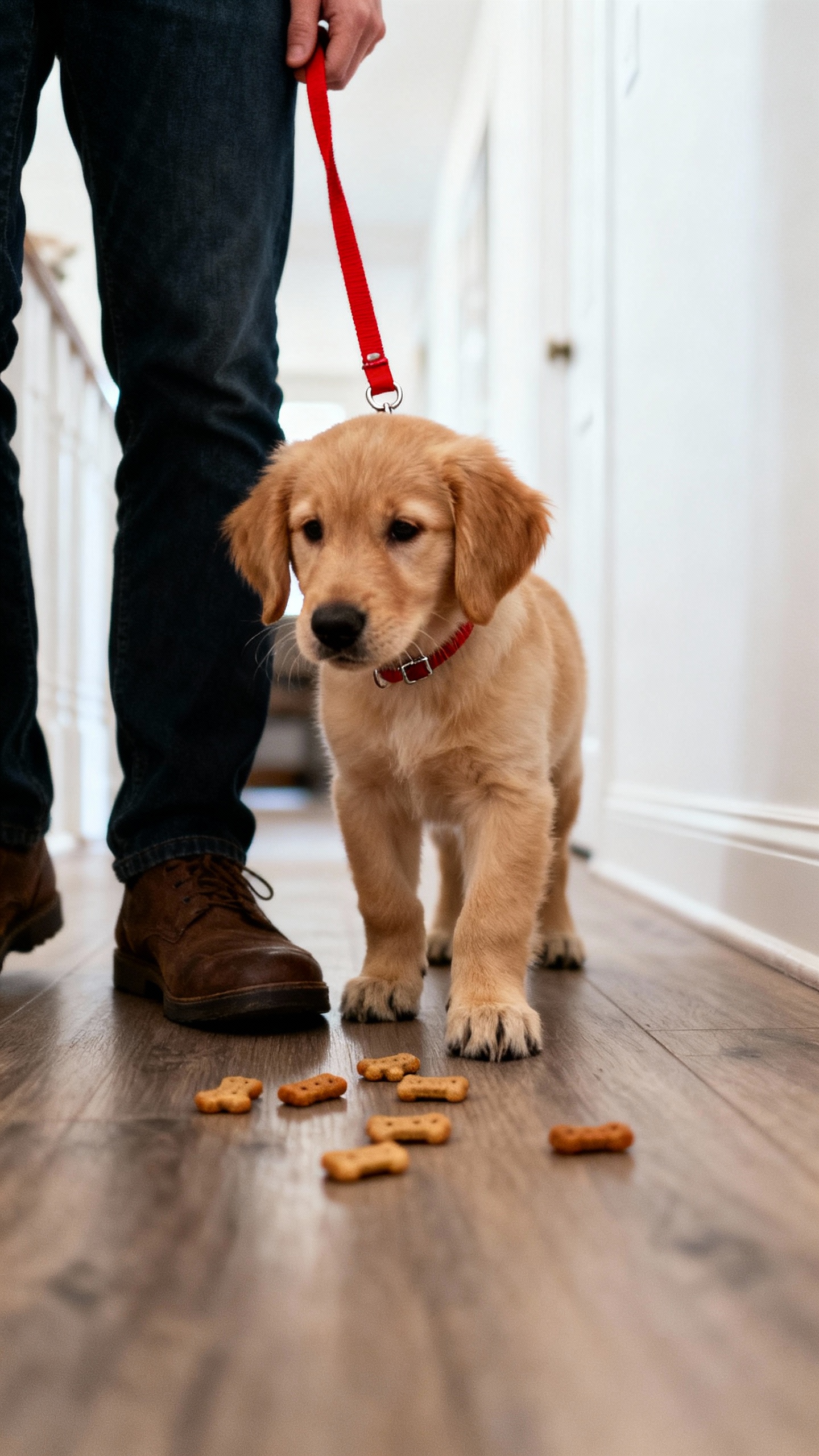
Leash training begins indoors where distractions can’t sabotage you. You control the environment, so use it.
Loose-leash foundations
- Clip leash on, drop a few treats by your left leg as you move.
Reward position, not pulling.
- If they surge ahead, stop. Be a tree. When leash slackens, move again.
The walk is the reward.
Handling biting and mouthing
- Replace your hand with a chew toy. Reward chewing the right thing.
- If biting escalates: “Ouch,” disengage for 10–15 seconds. No drama.
Then resume calmly.
- Increase nap time. Overtired pups bite more—like toddlers with espresso.
Socialization: Confidence Now, Problems Avoided Later
German Shepherds grow into strong opinions. Show them the world now so those opinions stay friendly. Expose them to:
- People wearing hats, sunglasses, uniforms, backpacks
- Surfaces: grass, gravel, tile, wood, metal grates
- Noises: vacuums, traffic, kids playing, doorbells
- Places: quiet stores that allow pups, parking lots, vet lobby for cookie visits
Make it positive
- Pair new things with treats and praise.
Curiosity gets cookies.
- Keep greetings brief. Quality over chaos.
- Avoid dog parks. Choose calm, vaccinated dog friends instead.
Quick health note: Carry your pup in high-risk areas until vaccines are on schedule.
Your vet can guide you—IMO, better safe than sorry.
Mind Games Beat Endless Fetch
You can’t outrun GSD energy with just walks. Work the brain, and you’ll see a calmer pup at home.
Easy enrichment ideas
- Snuffle mats and scatter feeding in the yard
- Frozen Kongs with puppy-safe fillings
- Puzzle feeders set to “easy” and leveled up over time
- Hide-and-seek recalls around the house
Training games:
- “Find it” with treats tossed a few feet away
- Place/bed training for settling on cue
- Impulse control: sit to earn doors opening, leashes on, meals down
Common Mistakes (And Easy Fixes)
We all bungle things. The trick?
Course-correct fast.
- Too-long sessions: Keep it short. Stop before your pup checks out.
- Inconsistent rules: If the couch is off-limits, it’s always off-limits. Dogs don’t do “sometimes.”
- Using punishment: It kills trust and doesn’t teach the right behavior.
Reward what you want instead.
- Skipping naps: Tired puppies misbehave. Crate naps are magic.
- Flooding socialization: New ≠ overwhelming. Choose calm exposures, not chaos.
FYI, confidence builds in layers.
Progress Benchmarks by 16 Weeks
Not every pup hits these at the same pace, but they’re solid targets.
- Sleeping through most nights with one or no potty breaks
- Reliable sit, decent down, improving come indoors
- Loose-leash skills indoors, workable outdoors on quiet streets
- Crate resting without drama for 1–2 hours
- Comfort around common sounds and surfaces
IMO, if recall and socialization progress feel stuck, bring in a positive reinforcement trainer early. Early help saves later headaches.
FAQ
How much exercise does a 3-month-old German Shepherd need?
Aim for several short play and training sessions daily, plus brief walks and lots of sniffing. Think 5–10 minutes of structured activity at a time.
Avoid long runs or repetitive jumping—growing joints need protection.
When should I start formal training classes?
Right now. Puppy socials and beginner classes that require vaccine proof are perfect at this age. You’ll get guidance, safe exposure, and accountability.
What treats work best for training?
Use tiny, soft, smelly treats—pea-sized or smaller.
Boiled chicken, tiny cheese bits, or commercial soft trainers work well. Rotate flavors so your pup doesn’t get bored.
My pup bites a lot. Is that normal?
Completely normal at this age, especially during teething or when overtired.
Redirect to chew toys, add more naps, and avoid rough play that amps them up. If biting seems intense or fixated, consult a trainer for hands-on help.
How do I stop my puppy from pulling on walks?
Pay your pup for walking near you. If the leash tightens, stop moving.
Reward when it slackens, then go forward. Practice indoors first, then graduate to calm outdoor spots.
Should I worry about guarding behaviors?
Resource guarding can pop up early. Trade up—offer a better reward for giving items, and teach “leave it” and “drop.” Avoid yanking things away, which creates conflict.
If guarding escalates, get a professional on board.
Conclusion
Training a 3-month-old German Shepherd isn’t about perfection—it’s about stacking small wins. Keep sessions short, rewards frequent, and socialization thoughtful. Build great habits now, and future-you gets a confident, well-mannered best friend.
And hey, enjoy the baby floof stage while it lasts—those ears won’t be floppy forever.
Leave a Reply